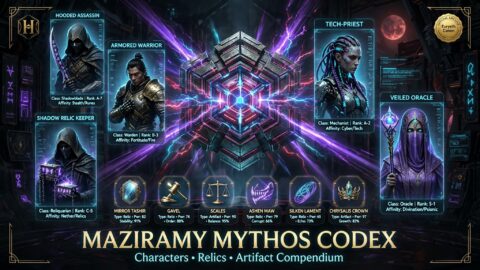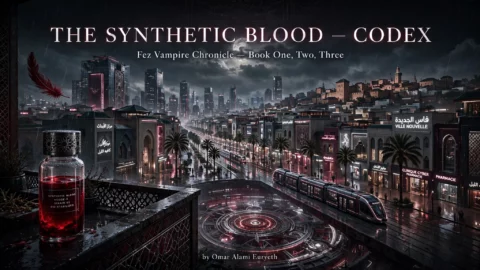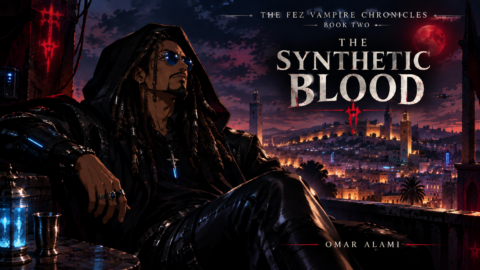
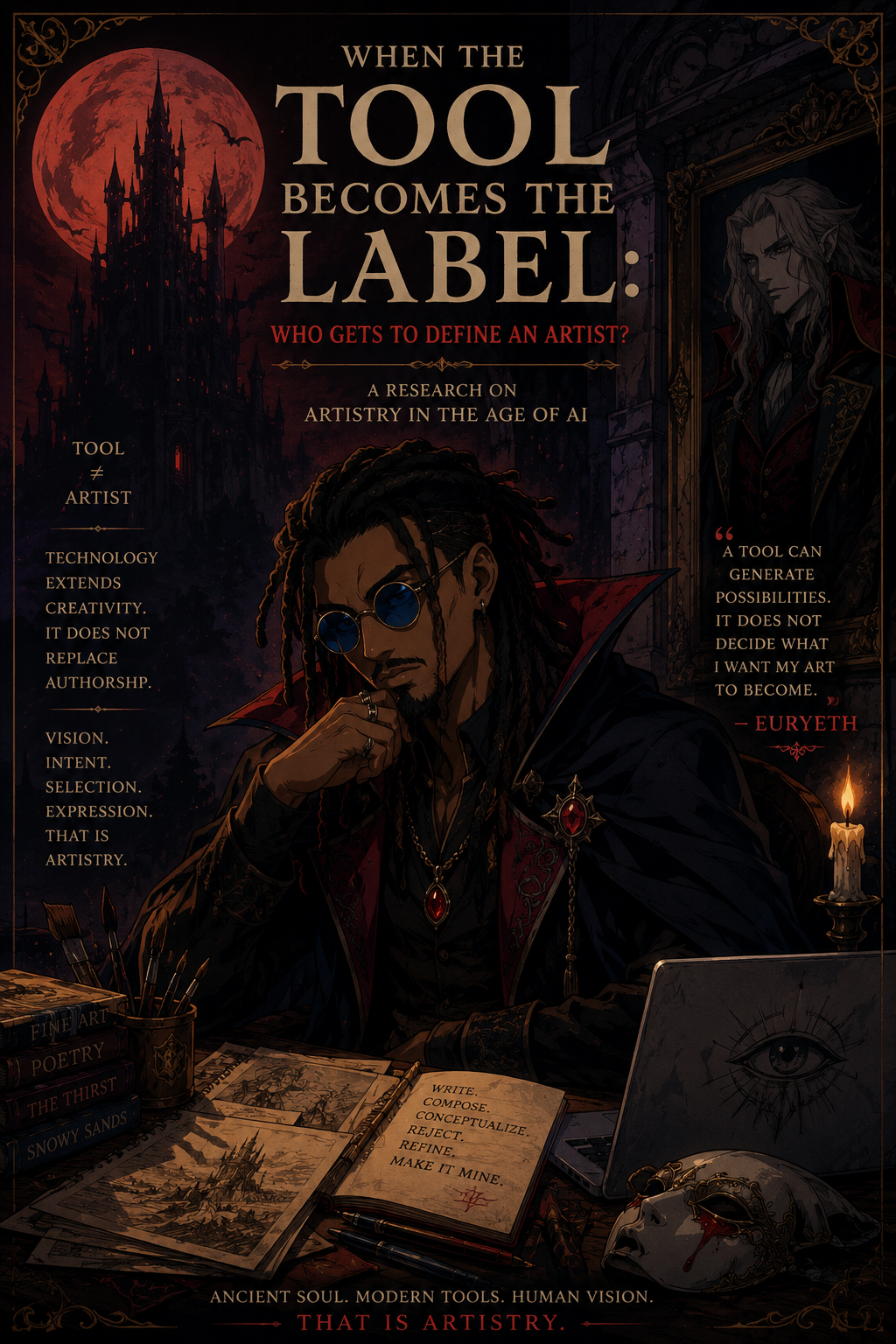
I am Euryeth (Omar Alami), an independent hip-hop artist and multidisciplinary creator from Fès, Morocco. My artistic identity is rooted in human creativity, traditional training and long-standing practice – not in machines. I built my portfolio through years of drawing, painting, poetry and music production well before generative tools were a thing. With degrees in Economics, Graphic Design and Digital Marketing, I fuse structural design knowledge and a modern worldview to shape Euryeth’s conceptual vision. I continue to write and perform every lyric myself, sculpt each concept by hand, and record raw vocals in the studio. The technology I use – whether digital software or AI – simply extends my voice, it does not define it. In practical terms, I might experiment with generative AI or other digital tools, but I always filter and refine their outputs. Ultimately, my choices are the creative act, and the final work sounds like me.
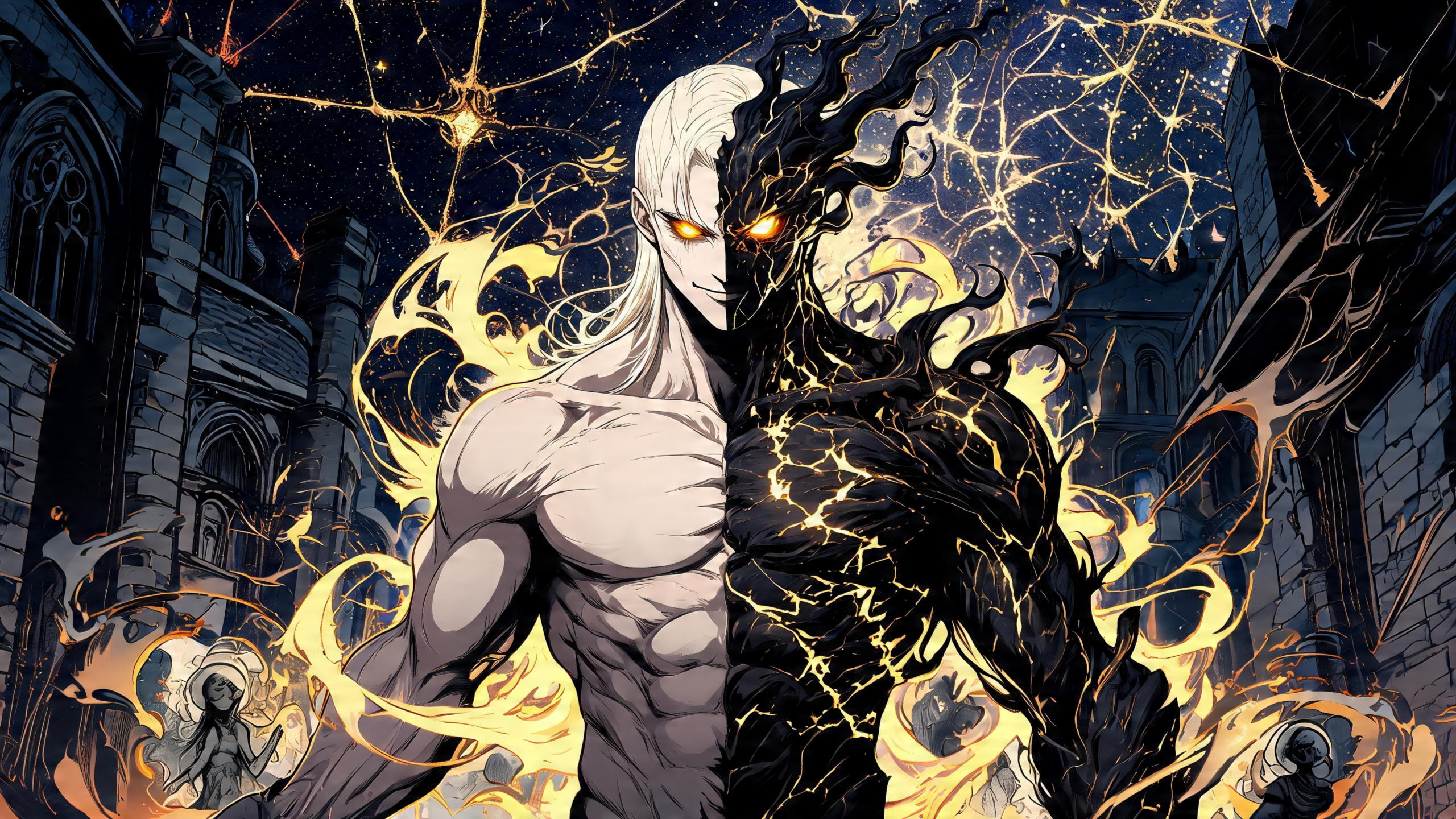
The core theme of Euryeth remains a deliberate duality: an ancient soul in a hyper-modern world. I embody this through my signature vampire/dhampir persona, a gothic cinematic style that blends the mystical past with contemporary rap and electronic music. I pursue the full spectrum of art: I still devote time to painting, writing, and playing instruments alongside my digital projects. In every medium, my human vision leads – technology only provides possibilities. As I often say, “Ancient soul, modern tools” – that phrase captures Euryeth’s essence. My discography (albums like Fine Art, Poetry, The Thirst and Snowy Sands) reflects this breadth of craft. For a closer look at my work, visit my official website (euryeth.com) or find me on Spotify.
Executive Summary: Recent discussions of AI in the arts highlight a tension between viewing generative tools as creative assistants versus threats to traditional authorship. Researchers and artists report a wide range of perspectives. Some see AI as a powerful new medium that can unlock ideas (analogous to how cameras expanded photography), while others caution that AI lacks genuine intent or cultural grounding and can feel “soulless”. Legally, key institutions (like the U.S. Copyright Office) currently insist on human authorship for protection; recent cases (the “Zarya of the Dawn” comic and “Théâtre d’Opéra Spatial” artwork) were denied copyright because they were entirely AI-generated. There is little international consensus yet: for example, the UK attributes rights to whoever “arranged” an AI artwork, while China may grant copyright if user prompts are sufficiently detailed. Overall, industry and policy experts warn that without clear rules or disclosures, human creativity could be devalued.
Scholarly and industry commentary paints both cautionary and optimistic scenarios. In academic studies, some authors praise AI as a collaborative tool – even suggesting AI might be considered a “new medium” with unique affordances – yet many creators feel ambivalent. One qualitative study of 22 digital artists found that while participants acknowledged impressive aesthetics, they often described AI-generated art as “soulless” and questioned its ethics and authenticity. Artists noted that AI limits their creative control (e.g. less iterative experimentation) and lacks the personal expression they value. This mirrors broader reports that consumers can favor human-made art when they know AI involvement, perceiving AI works as less sensitive or emotional. Conversely, some contemporary artists actively embrace AI. For example, photographer Dahlia Dreszer trained an AI model on her own style and created an entire exhibition incorporating AI-generated pieces. Dreszer likens AI to another brush or camera: “simply another medium that can unlock creative potential and an artistic vision that may have never been realized without it”. She emphasizes it as a collaboration – not “cheating” – noting that working with AI still involves a lengthy, iterative human effort and creative decision-making.
On the legal and ethical front, key issues revolve around copyright and transparency. In the U.S., official guidance now stresses that purely AI-generated content cannot be copyrighted: the Copyright Office reaffirmed its “human authorship” requirement, rejecting registration for works made by AI without substantial human creative input. Similar positions have emerged globally: courts and legislatures are grappling with authorship in AI contexts. Lawsuits already underway reflect these questions – for example, Getty Images is suing Stability AI for using millions of copyrighted photos to train generative models, and The New York Times has sued OpenAI over unlicensed use of articles in training data. A Brookings report cautions that because of weak regulations on data usage, artists may fear their works are being scraped for training without consent, potentially harming their livelihoods. With few statutory fixes yet, policy experts suggest new categories or copyright frameworks may be needed to account for human–AI collaboration. Meanwhile, some countries like India already define an “author” of computer-generated works as “the person who causes the work to be created,” indicating that human guidance – from programming to prompting – is critical.
In practice, artists and companies are moving toward clear labeling and fair practices. Guidance from legal experts (especially in advertising and media) urges transparent disclosure when AI is used. For example, New York’s “Synthetic Media” law (effective June 2024) now requires advertisers to label AI-generated images or synthetic voices, and attorneys advise brands to err on the side of over-disclosure to avoid legal risk. Although excessive labeling can risk audience skepticism, it is seen as the safer approach. Similarly, creative industry groups demand accountability: a coalition of visual artists’ organizations recently called on AI companies to be “transparent, equitable, and respect creators’ rights,” explicitly requesting disclosure of which artworks are used in AI training. Institutions are also formalizing standards; for instance, Syracuse University Press requires authors to declare any use of AI tools and prohibits undisclosed generative content in their publications.
In summary, the current consensus is that human creators should lead and claim credit for their work, even when aided by AI. Public statements about creative projects are strongest when they clearly state the artist’s role: e.g. phrases like “AI-assisted” or “co-created with generative models” make the collaboration explicit. Artists should describe their own contributions in narrative terms (“writing”, “composing”, “curating”, etc.) while acknowledging the tools used. Being upfront about how AI fits into the process (training data, prompting, editing) aligns with evolving norms and laws. This approach builds trust and distinguishes personal artistry from automated generation. As the landscape evolves, transparency – crediting the human mind behind the vision – is widely viewed as both ethically important and, increasingly, legally prudent.
Assumption: The artist’s biographical and discography details are accepted as given, and the cited perspectives reflect the latest available sources as of 2025.