

The Bright Sight
I Seek Refuge in You, My Lord, The Glorious, The Merciful in All Matters
Omar Alami
Omar Alami Copyright
© 2025 Omar Alami All rights reserved
This is a work of fiction. While inspired by ideas, archetypes, and phenomena from the world we share, the characters, events, and places depicted within are products of imaginative creation. Any resemblance to actual persons, living or deceased, or real events is purely coincidental. The narrative draws upon symbolic truths, philosophical exploration, and artistic interpretation—not literal representation.
No part of this book may be reproduced, or stored in a retrieval system, or transmitted in any form or by any means, electronic, mechanical, photocopying, recording, or otherwise, without express written permission of the publisher.
ISBN-13: 9781234567890
ISBN-10: 1477123456
Cover design by: Omar Alami
Library of Congress Control Number: 2018675309
Printed in the United States of America
To those who walk in truth, light, and honor. To my family, whose support is an unshakable foundation. To my true friends who stand firm against the waves of hypocrisy and deceit. Your presence has always been a sanctuary of strength and wisdom, a reflection of what’s real in a world full of pretenders.
To my fans, and to those who aspire to be good in a world that often rewards corruption—this book is for you. Your courage to remain untainted by falsehood, your pursuit of integrity in a world designed to test it, is a beacon of hope.
And to those who deal in falsehoods and hypocrisy, may this book shine a light so bright it burns away the masks you hide behind. You taught me valuable lessons, not through loyalty, but through betrayal, not through support, but through silence.
This book is a journey—one of power, wisdom, and truth. It reflects the struggle between light and darkness, where true strength lies in the balance we all seek. May the reflections within guide others toward their own radiant path, no matter how dim the shadows.
To everyone, you’ve contributed, knowingly or unknowingly, to the story within these pages. It is as much your story as it is mine.
“In a world where shadows dance with light, it is not the absence of darkness that defines you, but the courage to seek truth, even when it’s hidden behind veils of deceit.”
— You To the dreamers, the seekers of light in the darkest of places.
To those who walk the fine line between shadow and truth.
To my family, friends, and all who inspire me to be better.
And to you, the reader, who dares to question, to grow, and to rise above the noise.
May this journey fuel your courage, challenge your perspective, and remind you that even in a world shrouded in illusions, you have the power to shape your own truth.
Contents
Title Page
Copyright
Dedication
Epigraph
Preface
Introduction
Prologue
” SAYYED EURYETH” Series
Foreword
The Bright Sight
Chapter One: The Radiance Within Shadows
Chapter Two: The Whispering Luminescence
Chapter Three: Echoes of the Past
Chapter Four : Echoes of the Unseen
Chapter Five: The Tapestry of Time
Chapter Six: The Reflections of Modernity
Chapter Seven: The Veins of Power
Chapter Eight: The Reflections of Power
Chapter Nine: The Convergence of Shadows
Chapter Ten: The Gathering Storm
Chapter Eleven: The Duel of Shadows and Light
Chapter Twelve: The Maziramy Palace
Chapter Thirteen: The Crystal Cave and The Micro Palace
Chapter Fourteen: The Gathering Shadows
Chapter Fifteen: The Crimson Hunt
Chapter Sixteen: The Meeting of the Crimson Palace
Chapter Seventeen: The Confluence of Past and Present
Chapter Eighteen: Echoes of Time
Chapter Eighteen Bonus: Euryeth’s Reflection
Chapter Nineteen: The Lesson
Chapter Twenty: The Conclave
Chapter Twenty-One: The Convergence
Chapter Twenty-Two: Echoes Through Time
Chapter Twenty-Three: The Veil of Magick
Chapter Twenty-Four: The Battle for Fez
Chapter Twenty-Five: A New Dawn
Chapter Twenty-Six: Duel of the Emperors
Chapter Twenty-Seven: The Path of Redemption
Chapter Twenty-Eight: The Tapestry of Time
Chapter Twenty-nine: The Convergence of Light and Darkness
Chapter Thirty: The Shadow of Iblis
Chapter Thirty-one: The Wisdom of Solomon
Chapter Thirty-two: The Enigma of Blackholes and the Visit of Lilith
Chapter Thirty-Three: The Symphony of Existence
Chapter Thirty-four: Into the Bright Sight
Chapter Thirty-five: The Tapestry of Time
Chapter Thirty-six: The Celestial Symphony
Chapter Thirty-seven: Lyra
Chapter thirty-eight: The Trinity of Existence
Chapter Thirty-Nine: The Tree of Abrahamic Faiths and Beyond
Chapter Forty: The Quest Through the Realms
Chapter Forty-One: The Quest for Balance
Chapter Forty-Two: The Realm of Dosey
Chapter Forty-Three: The Realm of Hezan
Chapter Forty-Four: The Realm of Terifat
Chapter Forty-Five: The Green Forest of Terifat
Chapter Forty-Six: Navigating the Modern World
Chapter Forty-Seven: Parallel Worlds
Chapter Forty-Eight: The Convergence of Realms
About The Author
Books By This Author
Epilogue
Afterword
Acknowledgement
The Maziramy
Preface
In the intricate dance between light and darkness, there lies a story—one that beckons you to explore the shadows not as a place of fear, but of understanding. This book is an invitation to embark on a journey where the vampiric allure of the unknown meets the unshakable brilliance of truth. Here, we challenge the very essence of perception, where reality intertwines with fantasy, and where the heart dares to defy the deceptive appearances of this world.
Life is a labyrinth of choices, some shadowed, others bathed in light, and the quest is not to choose one over the other, but to master both. Vampires—creatures of myth who walk in darkness—represent this very struggle. They live in the shadows but long for the light, much like many of us who navigate a world filled with hypocrisy, lies, and deceit, while striving to remain true to our better selves.
This book is not about succumbing to the darkness, but about triumphing over it, about finding the strength to walk with your head held high, even when the weight of your burdens tries to bring you down. It’s about resilience, authenticity, and the pursuit of light. The wisdom of the ancients, wrapped in modernity, flows through these pages—drawing from both the timeless nobility of pharaohs and the sophistication of today’s world.
To the reader, you will not just observe this journey, but participate in it. You will question, you will confront, and most importantly, you will grow. The shadows you face will only enhance the light that awaits you.
So, prepare yourself for a story that intertwines the sacred with the profane, the eternal with the ephemeral. Together, we shall traverse the paths of wisdom, wrapped in vampiric elegance and gothic mystery, with every step bringing us closer to the truth. You are not alone in this, and by the end of this journey, you may find that the brightest sight is often hidden within the darkest night.
Introduction
In the name of God, the Most Gracious, the Most Merciful. May peace be upon all the messengers, and may God forgive His righteous servants, protecting us from the sins of this world, both seen and hidden. We seek His mercy to cleanse us from the evils within our souls and the consequences of our actions. All praise is due to God, pure and eternal, for the life He has bestowed upon us and for guiding us through the trials of existence.
Our minds wander to places shaped by civilizations and traditions, places that have become reflections of inspiration, embodied in symbols that carry dimensions beyond simple understanding. Some truths shine as brightly as the sun, while others move in the shadows, luminous like the moon. Together, these celestial forces govern movement and time, offering a profound influence on both body and soul. Their presence brings light to the darkness and nourishment to the spirit, calming the mind and fortifying the body.
Is it not better to choose sight over blindness, to seek wisdom before certainty? Or perhaps the journey is far more elusive than we imagine. Can those who find truth stand on the same ground as those who have lost their way? Truth precedes falsehood, and the purity of the heart must guide our intentions. Is the one who is guided comparable to the one who is lost? Although we all share a common origin, how did we become so divided in action? What is the best course of deeds, and what is the path of steadfast wisdom?
In my heart, I have always hungered for knowledge and spiritual elevation. The pursuit of truth is not merely about gathering facts, but about seeking wisdom from the All-Knowing, who guides to the straight path. I have roamed through the oceans of knowledge, to the East and to the West, my heart illuminated by the light of the All-Hearing, the All-Seeing. Along the way, I have visited many landmarks, seeking guidance not only for myself but also for those who stray.
In this journey, I encountered inner struggles, realizing that even the most intelligent of beings can be deceived by pride. But true knowledge and humility lie in loving for others what you love for yourself. As we reflect on the journey through life, we understand that existence itself is a test of sincerity, of heart, and of wisdom. We must rise, not just in knowledge, but in action, aiming to meet our Creator with a pure heart, at peace with the universe He has fashioned.
As you enter the pages of this book, you are not just a reader but a traveler in search of light amidst the darkness. You will explore the duality of existence—the struggles between good and evil, the balance of light and shadow—and the infinite possibilities that come with walking a path of truth and purpose. May this journey guide you, as it has guided me, to a deeper understanding of yourself and the universe around you.
Prologue
In the quiet folds of existence, beyond the known and the tangible, there lies a space where time and destiny intertwine, where shadows dance with light in a delicate symphony of purpose. This space, unseen by most, is where the true nature of our journey is shaped, a place where the boundaries of life and death blur, and the heart finds both its greatest trials and its deepest wisdom.
This story begins in such a space—born from the moments where history meets eternity. A tale of power, of light veiled in darkness, and of a soul caught between two worlds. The protagonist, Euryeth, is a being touched by both the ancient and the modern, carrying within him the blood of pharaohs, the wisdom of philosophers, and the strength of those who walk in shadows, yet seek the light.
He is not bound by the constraints of time. As a traveler across centuries, Euryeth has seen empires rise and fall, witnessed the birth of civilizations, and fought in battles forgotten by history. His journey has shaped him, not only as a warrior but as a seeker—of truth, of balance, of an elusive peace that seems ever out of reach.
And yet, for all his power, for all his knowledge, he remains deeply human. His heart, though touched by the cold hand of vampirism, still beats with a desire for light, for goodness. He seeks not to conquer, but to understand; not to destroy, but to create. His past, once shrouded in darkness, has led him to a future bathed in the potential for redemption, for transcendence.
As he moves through the pages of time—through the sands of ancient Egypt, through the winding streets of modern cities, and through the celestial pathways of the Maziramy—Euryeth confronts not only the enemies of his present but the shadows of his past. The battles he fights are not merely of flesh and blood but of spirit, of mind, of soul.
This is not just a tale of a vampire or a traveler. It is a story of the human condition—a reflection of our own struggles between darkness and light, between power and wisdom, between survival and transcendence. Euryeth’s journey is, in many ways, our own—a quest for meaning in a world that often seems devoid of it, a search for peace in the midst of chaos.
And so, as the story unfolds, know that you are not merely reading but walking alongside him—through time, through darkness, and, hopefully, into the light.
” SAYYED EURYETH” Series
The Bright Sight
by
Alami Omar
Dedication
(Optional but a nice personal touch—feel free to adjust the tone and content based on earlier discussions)
Dedication
To the ones who walk in truth,
To family and friends who are unwavering,
To those who inspire goodness in a world rife with deception,
And to the seekers of knowledge who stand firm,
against corruption and hypocrisy.
May this journey bring light to those who seek it.
Epigraph
(A quote or philosophical thought that sets the tone for the book, which you’ve already worked on)
“You find yourself in the labyrinth, navigating between light and shadow. But remember, it’s not the path itself—it’s the steps you choose that define your journey.”
—You Attribution
(Where you attribute any inspiration, borrowed quotes, or references.)
Certain inspirations and themes in this work draw from cultural, philosophical, and historical sources, as well as from the mythic and metaphysical realms. To those thinkers, authors, and creators who have shaped our understanding of the cosmos and human nature—thank you. Your wisdom has guided this story in ways both subtle and profound.
Preface
(An introduction to the book, explaining the motivation behind it, how it came to be, and what the reader can expect.)
This book began as a reflection on the duality of light and darkness, not just in the world but within ourselves. We all stand on the precipice of knowledge, torn between the desire for power and the pursuit of wisdom. The Bright Sight tells the story of a timeless traveler—a vampire bound by royal bloodlines and cosmic insights—who seeks not only to survive but to thrive in a world where truth and illusion constantly battle. Through a series of episodic adventures, deep metaphysical questions are posed. In an age where superficiality dominates, this tale asks us to look deeper. It calls upon readers to reflect on the essence of existence and to embrace the journey as much as the destination.
I hope you find moments of reflection, wonder, and perhaps even transformation as you follow Euryeth’s path.
Acknowledgements
(This is where you thank those who helped in your journey to create this book.)
To my family, friends, and those who have supported me through the ups and downs of this creative journey—this book wouldn’t have been possible without your encouragement. Special thanks to those who contributed their insights and inspiration, helping shape The Bright Sight into what it is today.
And to the readers—those who continue to seek knowledge, challenge norms, and embrace both the light and the shadows—this book is for you.
Table of Contents
(This is a list of all the sections and chapters of the book, serving as a guide.)
Dedication
Epigraph
Preface
Acknowledgements
Prologue
Chapters 1–X
Epilogue
Prologue
(Usually a short introduction to the story itself, setting up the world and characters.)
Foreword
To those who choose the narrow path—the one less traveled, where shadows may threaten but never consume—this book is for you. It is a dedication to those who seek knowledge not just in the tangible realms of the world but in the spaces between. Whether your journey leads you through the corridors of reality, the vast expanses of myth, or the intricate labyrinths of the metaphysical and digital webs, the quest for truth, light, and wisdom is what unites us.
In an age where distractions abound, where superficiality often overshadows depth, you have remained steadfast, dedicated to understanding the essence of life and the universe. You see beyond the surface, beyond the illusions that so many accept as reality, and you strive to uncover the deeper truths—whether they lie hidden in ancient scrolls or encoded within modern technology.
This journey, like that of Euryeth, the central figure of this story, is one that requires resilience, courage, and a heart untainted by corruption. Euryeth, a traveler across time, space, and dimensions, embodies the same thirst for knowledge that you do. His path is one of profound exploration, not just of the world but of the self. And in this, you too are reflected. Whether you find your answers in the stars, in the words of ancient philosophers, or in the coded languages of today’s digital frontier, your pursuit is noble.
This story honors the quest for knowledge in all its forms. It is a celebration of those who resist the temptations of power, who seek not dominance but understanding. It is for the scholars, the dreamers, the explorers of realms seen and unseen. Whether your path is grounded in realism or ventures into the realms of the mythic and the metaphysical, this tale serves as a reminder that the pursuit of truth is the greatest journey one can undertake.
And so, to you who walk this path—know that you are not alone. Like Euryeth, you move through worlds vast and mysterious, guided by a desire to leave this existence more enlightened than when you entered it. This book is a testament to that quest, to the journey of all who seek light amidst the darkness, truth amidst the chaos, and wisdom amidst the noise. It is a tribute to those who remain unwavering in their commitment to knowledge, wherever it may be found.
The Bright Sight
by Omar Alami
“Sayyed Euryeth“ Series
Chapter One: The Radiance Within Shadows
The hall of mirrors stretched endlessly, a place where light refracted into infinite possibilities, casting gentle glows of amber and cerulean across the marble floor. Euryeth, a figure shrouded in a robe of silken silver, moved with a grace that betrayed his vampiric nature, a being not of darkness but of a light that transcended mere physicality. He was more than a ruler, more than a master of art; he was the living embodiment of a delicate balance between the ethereal and the mortal, a philosopher whose thoughts wove the fabric of reality itself.
This place, the Mirror Hall of the Ariphes, was no ordinary chamber; it was a reflection of the inner sanctum of the soul, a place where the boundaries between the physical and the metaphysical blurred. The air was thick with a sweet scent, reminiscent of blooming jasmine under a moonlit sky, a fragrance that whispered secrets of ancient realms long forgotten.
As Euryeth moved deeper into the hall, the light grew brighter, not harsh but soft, enveloping him in a cocoon of warmth. Each step he took echoed with the sound of a distant heartbeat, as if the very walls of this place were alive, pulsing with an energy that resonated with his own. The mirrors around him shimmered, not merely reflecting his image but showing glimpses of other worlds, realms of light and shadow, each one a facet of the greater whole.
He paused before one such mirror, a vast expanse of glass that seemed to stretch into eternity. Within it, he saw not just his own reflection but a figure bathed in golden light, a being of pure radiance whose very presence seemed to dissolve the darkness around it. This figure was him, and yet not him—a representation of what he could become, of the potential that lay within his soul.
The light within the mirror began to shift, forming patterns and symbols that spoke of ancient wisdom, of truths that transcended time. Euryeth reached out, his hand hovering just above the surface of the glass, feeling the warmth emanating from within. It was as if the mirror itself was alive, a portal to a higher plane of existence, a place where the mysteries of the universe could be unraveled.
In this moment, Euryeth was not just a ruler, not just a philosopher, but a seeker of knowledge, a traveler on the path of enlightenment. The light within the mirror called to him, beckoning him to step through, to leave behind the shadows of his past and embrace the radiance of a new dawn. He could feel the power of the Ariphes coursing through him, a connection to the very essence of creation, a bond that linked him to the divine.
Yet, even in this place of light, there was a shadow, a faint darkness that lingered at the edges of his consciousness, a reminder that the journey was not yet complete. This shadow was not a threat, but a necessary part of the balance, a reflection of the duality that existed within all things. Euryeth understood this, for he had walked the path of the dark and the light, and he knew that true wisdom lay not in choosing one over the other, but in embracing both as parts of the whole.
As he gazed into the mirror, Euryeth saw the world as it could be—a
place where light and shadow danced in harmony, where the wisdom of the ancients guided the path of the future. It was a vision of hope, of a future where the mistakes of the past could be redeemed, where the darkness that had once threatened to consume him could be transformed into a force for good.
With a deep breath, Euryeth stepped back from the mirror, his mind filled with new insights, his heart lighter than it had been in centuries. The path ahead was clear, illuminated by the light of the Ariphes, a path that would lead him not just to power, but to true enlightenment, to a place where the boundaries between light and dark no longer existed, where the true nature of reality could be revealed.
As he left the hall of mirrors, Euryeth knew that his journey was far from over, but for the first time in a long while, he felt at peace. The light within him was strong, and with it, he would forge a new destiny, one that would bring balance to the realms and guide his people into a new era of understanding and harmony. The Radiance Within Shadows had shown him the way, and he would follow it, wherever it might lead.
Chapter Two: The Whispering Luminescence
The sun had not yet risen, but the world was already bathed in an otherworldly glow. Euryeth stood upon a balcony that overlooked a vast garden, a labyrinth of ancient trees and fragrant blossoms that seemed to stretch on forever. The garden, known as the Luminescent Grove, was a place where time seemed to stand still, where the light that filtered through the leaves carried with it the wisdom of ages past.
As he gazed out over the Grove, Euryeth could feel the pulse of life all around him, a rhythm that resonated with the very essence of his being. The air was alive with the sounds of nature—the gentle rustling of leaves, the distant call of a night bird, the soft murmur of a hidden stream. It was a symphony of life, a reminder of the beauty that existed in the world, even in the darkest of times.
He was not alone. From the shadows of the balcony emerged a figure, tall and cloaked in the deep blue of the twilight sky. Her presence was felt before it was seen, a subtle shift in the air, a sense of something profound and ancient drawing near. She was Lilith, the one who had walked beside him through the darkest of paths, and now she stood with him in this place of light.
“Euryeth,” she began, her voice a melodious whisper that carried the weight of countless lifetimes. “This place… it is unlike any I have seen. It is as if the very light here speaks, not in words, but in a language of its own, one that transcends the barriers of time and space.”
He turned to her, his eyes reflecting the soft glow of the Grove. “It is a place where the soul can breathe, where the mind can expand beyond the confines of our mortal understanding. The light here does indeed speak, but only to those who are willing to listen.”
Lilith nodded, stepping closer to the edge of the balcony, her gaze drawn to the horizon where the first hints of dawn began to color the sky. “And what does it say, Euryeth? What wisdom does it offer to those who seek its counsel?”
Euryeth was silent for a moment, his thoughts drifting like the breeze that stirred the leaves below. “It speaks of balance, of the harmony that exists between all things. The light and the dark, the known and the unknown, the seen and the unseen. It is a reminder that we are all part of a greater whole, that our actions, our choices, ripple out into the world and shape the fabric of reality itself.”
Lilith’s eyes narrowed as she contemplated his words. “And yet, the world we live in is far from balanced. There is so much darkness, so much pain and suffering. How can we, as mere mortals, hope to bring about the harmony that the light speaks of?”
“There is a secret in that darkness, Lilith,” Euryeth replied, his voice soft yet firm. “One that is often overlooked, misunderstood. The darkness is not an enemy to be vanquished, but a teacher, a guide. It is in the shadows that we find the truth of our own nature, that we confront the fears and doubts that hold us back. The light cannot exist without the dark, just as knowledge cannot exist without ignorance. It is through this dance of opposites that we grow, that we evolve.”
Lilith looked at him, her expression one of deep contemplation. “And yet, to embrace the darkness is to risk losing oneself in it. How does one walk that path without succumbing to the very shadows they seek to understand?”
Euryeth smiled, a rare gesture that softened the edges of his otherwise stoic demeanor. “By remembering who you are, and what you stand for. By holding onto the light within, even when the world around you is shrouded in darkness. It is a path that requires strength, wisdom, and above all, faith. Not just in the divine, but in yourself, in the knowledge that you are capable of overcoming whatever trials may come your way.”
The first rays of the sun began to pierce the sky, casting long shadows across the garden below. The light touched the leaves, turning them into a shimmering tapestry of gold and green, a sight that took Lilith’s breath away. “It is beautiful,” she whispered, her voice barely audible.
Euryeth nodded. “It is a glimpse of what could be, of the world as it was meant to be. A place where light and shadow coexist in perfect harmony, where the wisdom of the ancients guides the path of the future. It is a vision worth fighting for, worth sacrificing for.”
Lilith turned to him, her eyes filled with a resolve that matched his own. “Then let us fight for it, Euryeth. Let us bring about the balance that this world so desperately needs. Together.”
He reached out and took her hand, a gesture of solidarity, of shared purpose. “Together,” he echoed, his voice filled with a quiet determination. “We will walk this path, wherever it may lead, and we will not falter.”
As the sun rose higher in the sky, bathing the world in its golden light, Euryeth and Lilith stood side by side, their hearts and minds united in a common cause. They were the light in the darkness, the hope in a world that had forgotten what it meant to dream. And they would not rest until the balance was restored, until the world was once again bathed in the radiant glow of a new dawn.
Chapter Three: Echoes of the Past
The sun, now fully risen, cast its warm glow over the Luminescent Grove, creating a tapestry of light and shadow that danced across the garden floor. Euryeth and Lilith walked side by side along a winding path that led deeper into the heart of the Grove, their steps guided by a sense of purpose that had only strengthened with the dawn. As they moved, the air around them seemed to hum with a quiet energy, a resonance that spoke of the history woven into the very fabric of this place.
It was a history that stretched back to the beginning of time, a story told in whispers and echoes, hidden in the folds of myth and legend. The Grove was not just a sanctuary of light; it was a repository of knowledge, a living chronicle of the world’s past, present, and future. And it was here, in this sacred place, that Euryeth began to unravel the threads of a narrative that had been lost to the ages—a story that would shape the course of their journey and illuminate the path forward.
As they walked, Euryeth spoke, his voice carrying the weight of ancient wisdom. “Lilith, do you know of the Maziramy? Their story is one of the most profound tales of resilience and determination in the history of our world.”
Lilith glanced at him, intrigued. “The Maziramy… I’ve heard their name in passing, but I know little of their story. Please, tell me.”
Euryeth nodded, his gaze distant as he began to recount the tale. “The Maziramy were a tribe unlike any other, their origins shrouded in mystery, their existence a testament to the indomitable spirit of humanity. They first settled in a remote region, a land both harsh and unforgiving, where survival was a daily struggle. Yet, against all odds, they thrived, developing a culture rich in tradition, language, and social structure. They were a people deeply connected to the earth, to the cycles of nature, and to the rhythms of the cosmos.”
He paused, allowing the weight of his words to sink in before continuing. “Their history is marked by several key epochs, each a reflection of the challenges they faced and the wisdom they gained. The first of these epochs was the Pre-history, a time when the Maziramy were still finding their place in the world. They were nomadic then, moving from place to place, learning the ways of the land and the secrets of the stars. It was during this time that they developed their unique language, a tongue that was both poetic and precise, capable of conveying the deepest truths of existence.”
“Their Early History,” Euryeth continued, “was a time of great growth and expansion. The Maziramy settled in a fertile valley, where they built their first permanent settlement. They cultivated the land, established trade with neighboring tribes, and began to create a society that was both advanced and harmonious. Their customs, their rituals, and their social structures were all designed to reflect the balance they saw in the natural world—the harmony between light and dark, life and death, order and chaos.”
Lilith listened intently, her mind painting vivid images of the Maziramy’s journey. “And what of the Dark Sight?” she asked, her voice tinged with curiosity. “I have heard that name spoken in hushed tones, as if it were something to be feared.”
Euryeth’s expression darkened slightly, a shadow passing over his features. “The Dark Sight,” he said slowly, “was a time of great turmoil for the Maziramy. It was an era when a mysterious force—a creature of shadow and malice—rose from the depths of the earth and threatened to destroy all that the Maziramy had built. This creature was not just a physical entity; it was a manifestation of the darkness within, a reflection of the fears, doubts, and hatred that lurk in the hearts of all beings.”
He paused, his gaze turning inward as if he were seeing the events unfold before him. “The Maziramy fought bravely against the Dark Sight, but it was not a battle that could be won with weapons alone. They had to confront the darkness within themselves, to face the truth of their own nature, and to find a way to bring the light back into their lives. It was a test of their resilience, their courage, and their determination—a trial that would either break them or make them stronger.”
“And did they succeed?” Lilith asked, her voice barely above a whisper.
Euryeth nodded, a faint smile touching his lips. “Yes, they did. But their victory came at a great cost. The Maziramy emerged from the Dark Sight changed—wiser, perhaps, but also more cautious, more aware of the fragility of the world they had created. They learned that light and darkness are two sides of the same coin, that one cannot exist without the other, and that true balance can only be achieved through understanding and acceptance of both.”
Lilith fell silent, contemplating the implications of Euryeth’s words. The story of the Maziramy was not just a tale of a tribe long gone; it was a reflection of the world they lived in, of the struggles they faced, and of the path they were walking together.
As they continued along the path, the Grove seemed to respond to their thoughts, the light growing brighter, the shadows deepening, as if the very fabric of reality were echoing the themes of the story. Euryeth, sensing the shift, spoke again, his voice imbued with a deeper understanding.
“The story of the Maziramy,” he said, “is not just a historical account; it is a mirror of our own journey. We, too, are walking a path between light and darkness, seeking to find our place in a world that is constantly changing. And like the Maziramy, we must learn to embrace both sides of the coin, to find strength in our shadows and wisdom in our light.”
He looked at Lilith, his eyes filled with a quiet determination. “The knowledge we gain, the truths we uncover, they are not just for us—they are for the world. We are the stewards of this wisdom, the bearers of the light, and it is our duty to share it, to use it to guide others along the path.”
Lilith nodded, her resolve matching his. “Then let us continue,” she said, her voice firm. “There is still much to learn, much to understand. The journey is far from over.”
Euryeth smiled, a sense of purpose filling him as they moved forward, deeper into the Grove, deeper into the story that was still being written. The past, the present, and the future were all intertwined, a tapestry of light and shadow that would guide them on their path—a path that would lead them to the heart of the truth, and to the dawn of a new era.
Chapter Four : Echoes of the Unseen
The air in the bright place, a realm of timeless beauty and serenity, began to hum with an unfamiliar resonance. Euryeth stood at the edge of a vast, luminous expanse, where the horizon seemed to dissolve into the very essence of light itself. Yet, something was amiss—a whisper of a shadow that did not belong, a disturbance in the perfection that had long defined this realm.
As he moved forward, the ground beneath his feet shimmered with the memory of ancient footsteps. The paths here were not just roads but chronicles of forgotten eras, each step echoing the thoughts and lives of those who had once walked them. Euryeth’s presence was an anomaly, a ripple in the serene waters of this place, and the realm seemed to respond to his intrusion with a subtle unease.
Before him, the landscape began to shift, the light wavering as though a veil was being drawn aside. A figure emerged, gradually taking form—a being of profound grace, yet with an aura that hinted at the shadows from which it had arisen. This was no ordinary presence; it was a myth given flesh, a legend that had traversed the ages to stand before Euryeth in this moment of convergence.
The figure was tall and ethereal, cloaked in garments that seemed woven from the very fabric of the cosmos. Its eyes, dark and fathomless, held the weight of countless histories, gazing upon Euryeth with a mixture of recognition and curiosity.
“You have come,” the figure spoke, its voice a melodic whisper that resonated with the harmonics of the universe. “You stand at the cusp of knowledge and power, yet you are but a fragment of the truth you seek.”
Euryeth regarded the being with a measured calm, though his mind raced with the implications of this encounter. “Who are you?” he asked, his voice steady but laced with the undercurrent of his curiosity.
“I am known by many names across the epochs,” the figure replied, “but none capture the essence of what I am. I am the reflection of what was, the echo of what could be. I am the keeper of the Unseen.”
Euryeth’s eyes narrowed slightly, absorbing the words, parsing their meaning. This being was ancient, possibly as old as the realms themselves, and its presence here was no coincidence. “What is the Unseen?” he inquired, the term resonating with a familiarity he couldn’t quite place.
The being smiled, wisdom and power, its presence both a beacon of light and a harbinger of shadow. The figure was neither man nor woman, neither beast nor deity, but an embodiment of the realm’s deepest mysteries. Its form was constantly in flux, as if it were a reflection of the very forces that shaped existence.
Euryeth watched as the figure solidified into something more tangible, its features becoming clearer yet still cloaked in an aura of the unknowable. It stood before him, silent, as if waiting for Euryeth to speak first. The air around them crackled with energy, a silent conversation of thoughts and intentions that needed no words.
“What are you?” Euryeth finally asked, his voice calm but edged with curiosity.
“I am the Echo of the Unseen,” the figure responded, its voice a harmonious blend of many tones, resonating in Euryeth’s mind as much as in the air around him. “I am the memory of all that has been forgotten, the shadow of all that was never known. And you, Euryeth, are the disturbance in my domain.”
Euryeth felt a strange kinship with this being, as if it were a mirror reflecting the parts of himself he had yet to fully understand. “I did not come here to disturb, but to seek,” he replied, his voice steady. “The light of this realm called to me, but now I find it conceals as much as it reveals.”
The Echo of the Unseen regarded him with eyes that seemed to peer into the depths of his soul. “This place is not as it seems,” it said. “It is a realm of reflection, where light and shadow dance eternally, never truly merging but always intertwining. It is here that the truths of the past are preserved, not as they were, but as they are remembered.”
Euryeth stepped closer, his gaze unwavering. “And what truth do you hold that I must know?”
The figure’s form flickered, as if touched by an unseen breeze. “You seek knowledge of the past, of the forces that shaped the world you now stand upon. But the truth you seek is not a simple one. It is fragmented, scattered across time like shards of a broken mirror. To understand it, you must first gather the pieces, each one a story, each one a life.”
A subtle shift in the light drew Euryeth’s attention to the ground beneath them, where the landscape seemed to dissolve into a series of images—scenes from different eras, places both familiar and strange. He saw the rise and fall of empires, the birth of myths, and the shadow of something dark and ancient lurking in the background of history. The images flowed like a river of time, each one connected to the next by a thread of unseen significance.
“This,” the Echo of the Unseen continued, “is the timeline of existence, the eternal record of all that was and could have been. It is here that you will find the answers you seek, but only if you are willing to face the truths that lie within.”
Euryeth knelt, touching the ground, feeling the pulse of history beneath his fingertips. The images shifted again, revealing glimpses of events long past, each one a piece of a puzzle he was only beginning to comprehend. There were battles fought in distant lands, treaties forged in secret, and the whispers of the Maziramy, their legacy entwined with his own.
“What role do I play in this?” he asked, looking up at the Echo, whose presence seemed to waver with the flickering light.
“You are the one who must decide,” the Echo replied. “Your journey is not merely to witness the past but to understand its influence on the present and the future. The choices you make, the paths you choose to follow, will shape the course of history itself. But beware—the light you seek may reveal more than you are prepared to see, and the shadows you cast may be darker than you imagine.”
Euryeth stood, his resolve hardening. “I have faced darkness before. I will not shy away from the light, no matter what it reveals.”
The Echo’s form began to fade, the light around it dimming. “Then go, Euryeth. Walk the path before you, and may the knowledge you gain serve you well. But remember, the truth is not always what it seems, and the brightest light can cast the deepest shadow.”
As the Echo of the Unseen vanished into the ether, the landscape around Euryeth shifted once more. The bright place, with its serene beauty and hidden shadows, seemed to pulse with new energy. Euryeth turned his gaze towards the horizon, where the path forward lay shrouded in light and mystery.
He took a deep breath, steeling himself for the journey ahead. The echoes of the past, the lessons of history, and the truth of his own existence all awaited him. With a final glance at the fading light, Euryeth began to walk, his footsteps echoing across the vast expanse of the bright realm, each step taking him closer to the knowledge he sought, and the destiny that awaited him.
Chapter Five: The Tapestry of Time
As Euryeth ventured further into the bright realm, the landscape transformed before his eyes, shifting from the ethereal light of the previous chapter into a place woven with strands of time itself. The air was thick with the scent of ancient knowledge, a blend of forgotten wisdom and the whispers of epochs long past. The ground beneath his feet felt less solid, as if he were treading on the very fabric of existence.
The light here was different—purer, almost overwhelming in its intensity. It illuminated every thread of the vast tapestry that stretched before him, a magnificent web of interwoven timelines and events. Each thread pulsed with life, vibrating softly as if responding to his presence. The colors of the threads ranged from the most brilliant gold to the deepest crimson, each one representing a distinct moment in history, a significant event or a pivotal decision.
Euryeth found himself drawn to the center of the tapestry, where the threads were most densely packed, their colors blending into a complex array of hues that defied description. Here, the past, present, and future seemed to merge into a singular point of understanding, a nexus where all paths converged. He knew instinctively that this was the heart of the realm, the place where the true essence of existence was laid bare.
As he studied the tapestry, Euryeth noticed that some threads were frayed, their colors dimmed, as if they had been weakened by the passage of time or by the weight of forgotten memories. Others glowed with an almost blinding intensity, their brilliance a testament to the impact they had on the course of history. He realized that each thread represented not just a moment in time, but the lives and decisions of countless beings, their actions and choices shaping the world in ways both profound and subtle.
But there was something more to the tapestry—something that lay hidden beneath the surface, a layer of meaning that was not immediately apparent. Euryeth sensed it in the way the threads twisted and turned, in the patterns they formed and the spaces between them. It was as if the tapestry itself was alive, a living entity that not only recorded history but also guided it. The threads did not merely coexist; they interacted, influencing one another in ways that were intricate and profound. Euryeth felt the weight of this realization settle upon him like a mantle. The tapestry was not just a chronicle of time—it was the very force that shaped destiny.
Drawn deeper into the mysteries of the tapestry, Euryeth noticed a series of threads that seemed different from the others. These threads were darker, their colors muted, and they wound through the brighter threads like shadows weaving through light. They were connected to moments of great strife, battles waged in the shadows of history, decisions made in secrecy, and sacrifices unknown to the world. Yet, despite their somber appearance, these threads were as vital to the tapestry as the brightest ones. Without them, the balance would be lost.
Among these darker threads, one in particular caught Euryeth’s attention. It was not the darkest, nor the brightest, but it seemed to pulse with a rhythm that matched his own heartbeat. As he reached out to touch it, the thread began to unravel, revealing a scene from the distant past.
Euryeth found himself standing in the midst of a great battle, the air thick with the scent of blood and the cries of the wounded. The warriors before him were locked in combat, their faces contorted with determination and fear. But this was no ordinary battle. The combatants were mythical figures, beings of immense power and legend, their every movement shaping the course of history. Among them, Euryeth recognized a figure cloaked in shadows, a being of ancient wisdom and dark knowledge—the very essence of the thread he had touched.
The figure turned to Euryeth, its eyes burning with an inner fire. “You have come far, Euryeth,” it said, its voice a low rumble that seemed to resonate within his very soul. “But to truly understand the tapestry, you must know the darkness as well as the light. There is no one without the other.”
The scene shifted again, and Euryeth found himself in a vast library, the walls lined with books and scrolls of every kind. The air was thick with the scent of aged parchment and ink, a testament to the countless years of knowledge contained within. The figure appeared beside him, now less shadowed, its features more defined. It was a being of wisdom, its face etched with the lines of age and experience.
“You seek to understand the truth of the tapestry,” the figure said, its voice softer now, more reflective. “But truth is not a single thread. It is the weave of many, the balance of light and dark, of past and future, of what is known and what is hidden.” Euryeth nodded, absorbing the figure’s words. “And what of the knowledge contained within these walls?” he asked, gesturing to the library around him. “How does it fit into the tapestry?”
The figure smiled, a faint glimmer of amusement in its ancient eyes. “Knowledge is both a guide and a burden, Euryeth. It can illuminate the path ahead or obscure it, depending on how it is used. But in the end, it is the choices you make with that knowledge that shape the threads of your own destiny.”
As the figure’s words echoed in his mind, Euryeth felt the scene begin to fade, the library dissolving into the light that had first greeted him in this realm. The tapestry reappeared before him, more vibrant and alive than ever. He understood now that the threads were not just records of what had been—they were possibilities of what could be. Each choice, each action, would add to the weave, creating new patterns in the fabric of existence.
With this realization, Euryeth turned away from the tapestry, ready to continue his journey. The path ahead was still uncertain, the light and dark still intertwined, but he knew now that he had the power to shape it. The tapestry was not just a reflection of the past—it was a canvas for the future, waiting to be woven with the threads of his own making.
As he stepped forward, the realm around him shifted once more, the light softening into a gentle glow. The threads of the tapestry seemed to hum with anticipation, their colors shifting and blending in response to his movements. Euryeth knew that his journey was far from over, that the challenges ahead would be great, but he also knew that he was no longer the same man who had first entered this realm. He had glimpsed the truth of the tapestry, the balance of light and dark, and it had changed him in ways he was only beginning to understand.
The journey through the Ariphes continued, each step a new thread in the tapestry of his life, each choice a new pattern in the weave of destiny. Euryeth walked on, the light and dark of the realm guiding his path, the knowledge he had gained a beacon in the uncertain future ahead.
Chapter Six: The Reflections of Modernity
Euryeth stood at the threshold of a new realm within the Ariphes, a place where time seemed to flow differently. The light was softer here, diffused like the first rays of dawn after a long, cold night. Yet, beneath this gentle glow, there was an undercurrent of tension, a sense that the past and the present were colliding in a way that could not be easily reconciled. This was a realm where the myths of old met the realities of the modern world, where the ancient archetypes of wisdom and power were being reshaped by the relentless march of time.
As he ventured deeper, Euryeth found himself in a landscape that defied simple description. It was a place of shifting perspectives, where the boundaries between light and dark, myth and reality, seemed fluid, constantly evolving. The ground beneath his feet felt solid, yet ephemeral, as though it could change form at any moment. The air was thick with a paradoxical blend of hope and despair, progress and decay.
In this strange place, Euryeth saw visions of the modern world, reflections of the time he had left behind. Skyscrapers rose like monoliths against the horizon, their glass facades reflecting the brilliance of the sun while casting long, ominous shadows over the streets below. The hum of technology filled the air, a chorus of beeps, buzzes, and the rhythmic thrum of machinery. Yet, beneath this veneer of progress, there was a profound sense of loss—a disconnect from the deeper truths that had once guided humanity.
As Euryeth walked, he encountered figures from the modern age, their forms shimmering like ghosts caught between worlds. They were the new archetypes, the embodiments of a society in flux. The Innovator, with his sleek, metallic frame, represented the ceaseless drive for progress, for the next great discovery that would push the boundaries of what was possible. The Capitalist, draped in fine suits and carrying the weight of empires on his shoulders, symbolized the pursuit of wealth and power at any cost. The Politician, with his silver tongue and shifting allegiances, embodied the manipulation of truth and the corruption of ideals.
Yet, alongside these modern figures, Euryeth also saw the echoes of the ancient archetypes—the Wise Sage, the Warrior, the Healer—struggling to maintain their relevance in a world that seemed to have outgrown them. They were still present, but their forms were fading, their influence waning in the face of a society that increasingly valued materialism over wisdom, convenience over truth.
It was in this realm that Euryeth came face to face with the Archons, beings who had once been revered as the guardians of balance, the keepers of the sacred order. Now, however, they were divided, torn between their ancient purpose and the demands of the modern age. Some had adapted, embracing the new ways and using their influence to shape the course of history from the shadows. Others had retreated into obscurity, clinging to the old traditions even as the world moved on without them.
Euryeth engaged them in conversation, seeking to understand the forces at play in this fractured world. “What has become of the balance?” he asked one of the Archons, a figure whose form seemed to flicker between that of a regal warrior and a disillusioned bureaucrat.
The Archon’s voice was weary, carrying the weight of millennia. “The balance has not been lost, but it has changed. The light and darkness have always existed in tandem, but the forms they take are ever-shifting. In this age, the light of knowledge has been dimmed by the shadows of greed and ignorance, and the darkness has been masked by the glittering facades of progress.”
Another Archon, a being whose eyes burned with the fire of defiance, added, “The myths of old were not merely stories; they were truths that transcended time. But in this age, those truths have been forgotten, replaced by narratives that serve only the interests of the few. The archetypes we once embodied are now distorted, their power co-opted by forces that seek to bend them to their will.”
Euryeth nodded, his mind racing with the implications of their words. “And what of the Ariphes? How has this shift in the modern world affected the realms?”
“The Ariphes are timeless, yet they are not immune to the influences of the world below,” said the first Archon. “As humanity’s understanding of itself and the universe changes, so too do the realms. The threads of the tapestry are woven by the thoughts and actions of all beings, and as those threads are pulled in new directions, the fabric of reality itself is altered.”
Euryeth pondered this, considering the paradox that lay at the heart of existence. The modern world, with all its advancements and innovations, had brought about great change, yet it had also led to a profound disconnection from the deeper truths that had once been held sacred. The light of progress was blinding, casting shadows that obscured the wisdom of the past. But those shadows, in turn, offered the possibility of reflection, of rediscovering the lost knowledge that could guide humanity back toward balance.
He looked to the Archons, his resolve strengthening. “If the balance has shifted, then it is our duty to restore it. We must bridge the gap between the old and the new, to ensure that the light of wisdom is not lost in the glare of modernity.”
The Archons exchanged glances, their expressions a mix of hope and uncertainty. “It is a formidable task,” one of them said, “but it is not impossible. The threads of the tapestry are still being woven, and there is time yet to influence the pattern.”
With this, Euryeth felt a renewed sense of purpose. He would continue his journey through the Ariphes, but now with a greater understanding of the challenges that lay ahead. The modern world had brought both light and darkness in equal measure, and it was up to him to navigate these dualities, to weave a path that honored the ancient truths while embracing the possibilities of the future.
As he moved forward, the realm around him began to shift once more, the light growing brighter, the shadows deeper. The journey was far from over, but Euryeth knew that each step he took would bring him closer to the truth, closer to the balance that had been lost. The Ariphes, the Archons, the myths—they were all part of a greater whole, a tapestry that stretched across time and space, binding together the light and dark in an eternal dance of creation and destruction.
And in that dance, Euryeth would find his place, not as a passive observer, but as a weaver of destiny, a guardian of the balance between light and darkness, ancient and modern, myth and reality.
Chapter Seven: The Veins of Power
The Ariphes shifted once again, revealing a realm where the ethereal was interwoven with the tangible, where the metaphysical currents of power, politics, and philosophy converged like the intricate veins of a vast, living organism. Euryeth found himself standing in a place that was both familiar and alien—a landscape where the essence of civilization, distilled over millennia, pulsed through the very fabric of existence. Here, the ghosts of history whispered through the air, and the shadows of towering structures loomed, their forms shaped by the relentless march of time.
Technology, the very engine of modernity, was the first force to greet him. It was a presence that both illuminated and obscured, casting its cold, artificial light across the vast expanse of the realm. Euryeth could feel its influence in every corner—an omnipresent hum that vibrated through the air, a latticework of connections that bound together the threads of civilization in a web of information, communication, and control. The machines that powered this world were complex and indifferent, their cold logic reflecting the ambitions and anxieties of the beings that had created them.
As Euryeth wandered through this mechanized landscape, he saw the manifestations of technology’s dual nature. On one hand, it had brought about unprecedented advancements, unlocking the secrets of the universe and expanding the horizons of human potential. On the other hand, it had also deepened the chasm between light and darkness, between those who wielded its power and those who were consumed by it. Technology, in its relentless pursuit of progress, had become both a savior and a tyrant, a force that could uplift or destroy with equal ease.
Yet, even as technology reigned supreme, it was inextricably linked to another force—politics. For politics, with its shifting alliances and Machiavellian maneuvers, was the means by which power was wielded, the mechanism through which control was asserted over the masses. Euryeth could see it now, laid bare in all its complexity. The great civilizations of history had been built upon the backs of political structures, each one rising and falling in a cycle of order and chaos, progress and decay.
He could hear the echoes of political discourse from the past, debates that had shaped the course of human history. Figures of immense influence walked the halls of this realm—Julius Caesar, Napoleon Bonaparte, Winston Churchill—each one a master of the political arts, each one having left an indelible mark on the world. They were avatars of ambition, visionaries who had shaped the destinies of nations through sheer force of will.
In this moment, Euryeth’s thoughts turned to philosophy, the timeless arbiter of truth and meaning. He felt its presence as a quiet undercurrent, a voice of reason and introspection that had guided the great minds of every age. The philosophers, like Plato, Aristotle, and Nietzsche, appeared before him as luminous figures, their words resonating with wisdom that transcended time. They had wrestled with the fundamental questions of existence, seeking to understand the nature of power, justice, and morality in a world that was often unjust and chaotic.
And then, as if summoned by Euryeth’s contemplation, the figures of politics, philosophy, and technology came together in a grand debate. The scene was mesmerizing—a convergence of thought, power, and inquiry, where the great minds of history engaged in a dialogue that spanned centuries. Julius Caesar, his form imposing and authoritative, spoke first, his voice a commanding presence that demanded attention.
“Power,” Caesar declared, “is the currency of civilization. Without it, there is no order, no structure. It is through power that we build empires, that we impose our will upon the world. Technology is but a tool, a means to amplify that power, to extend our reach beyond the limitations of the flesh.”
Plato, his figure bathed in a soft, ethereal glow, responded with a measured tone. “Power is indeed necessary, but it must be tempered by wisdom and justice. The philosopher’s task is to ensure that power is used for the common good, that it serves the higher ideals of truth and virtue. Technology, if left unchecked, can lead us astray, creating a world where the pursuit of knowledge is divorced from the pursuit of wisdom.”
Napoleon, ever the strategist, interjected with a keen intellect. “Politics is the art of navigating the currents of power, of bending them to one’s will. It is a delicate dance, one that requires both force and finesse. But let us not forget that the masses, driven by fear and desire, must be controlled. It is through politics that we channel the forces of chaos into order, that we prevent the descent into anarchy.”
Nietzsche, his eyes burning with a fierce intensity, countered with his characteristic defiance. “Order is an illusion, a construct imposed by those who fear the abyss. True power lies in the will to create, to transcend the limitations of society and impose one’s own vision upon the world. The philosopher must embrace the chaos, must harness it to forge something new, something greater. Technology is the hammer, politics the anvil—but it is the will that shapes the world.”
As the debate unfolded, Euryeth listened intently, absorbing the wisdom and insights of these great minds. He saw how politics, technology, and philosophy were intertwined, each one influencing and shaping the others in a complex dance of power and meaning. Yet, beneath it all, he sensed a deeper truth—one that transcended the realm of human affairs. It was the truth of the Ariphes, the timeless balance between light and darkness, between creation and destruction.
It was then that religion entered the conversation, its presence a solemn reminder of the spiritual dimension that underpinned all existence. The prophets and sages of old appeared before Euryeth—Moses, Christ, Muhammad—their forms radiant with divine light. They spoke of faith, of the eternal struggle between good and evil, of the moral imperatives that guided their followers. Religion, they argued, was the anchor that grounded humanity in the face of uncertainty, the force that provided meaning and purpose in a world fraught with chaos.
But even as they spoke, Euryeth could see how religion had been co-opted by politics, how it had been used to control and manipulate the masses. The intersection of faith and power had often led to conflict, to wars waged in the name of God, to the suppression of dissent in the name of orthodoxy. And yet, despite its flaws, religion remained a potent force, one that could inspire both great good and great evil.
As the conversation reached its crescendo, Euryeth found himself reflecting on the nature of love, a force that transcended all others, that defied the boundaries of time and space. Love, he realized, was the thread that wove together the tapestry of existence, the force that gave meaning to power, to knowledge, to faith. It was a force that could elevate or destroy, that could bring light to the darkest of realms or cast shadows upon the brightest of lights.
The figures before him—Caesar, Plato, Napoleon, Nietzsche, the prophets—all turned their gaze toward Euryeth, their eyes filled with a mixture of expectation and curiosity. “And what of love?” they asked in unison. “What role does it play in the grand design? How does it shape the course of history, the destiny of nations, the fate of souls?”
Euryeth, feeling the weight of their question, contemplated his answer. Love, he thought, was both a blessing and a curse, a force that could inspire great acts of courage and compassion, but also terrible deeds of vengeance and betrayal. It was a force that could unite or divide, that could heal or wound. And in its most transcendent form, it was the ultimate expression of the balance between light and darkness, between creation and destruction.
He spoke at last, his voice calm and measured. “Love is the foundation of all that we do, all that we are. It is the source of our greatest strengths and our deepest vulnerabilities. It is the light that guides us through the darkness, the force that compels us to seek meaning in a world that often seems devoid of it. And yet, it is also the source of our greatest conflicts, our deepest sorrows. For love, like power, like knowledge, is a force that must be wielded with care, with wisdom, with understanding.”
The figures before him nodded, their expressions solemn. They understood the truth of his words, the complexity of the world they inhabited, the delicate balance that must be maintained. And as they faded into the ether, leaving Euryeth alone once more, he felt a deep sense of peace, a clarity of purpose that had eluded him for so long.
The Ariphes, the myths, the archetypes—all were reflections of the same eternal truth, the same cosmic dance between light and darkness. And Euryeth, as he continued his journey, knew that he was not merely a witness to this dance, but an active participant, a weaver of destiny in a world that was constantly changing, constantly evolving.
In this new realm, where technology, politics, philosophy, and religion converged, Euryeth would find his place, his role in the grand design. And as he moved forward, he knew that the journey was far from over, that the challenges ahead would be great. But with the knowledge he had gained, the wisdom he had acquired, he was ready to face whatever lay ahead, to continue his quest for truth, for balance, for the light that shone even in the darkest of times.
Chapter Eight: The Reflections of Power
The Ariphes had never been so divided yet so aligned, the scales of balance teetering on the edge of chaos and order. In one realm, a world shaped by the shadows of ambition, Zarak walked among the towering figures of history—men and women who had carved their names into the annals of power. The air was thick with the scent of old parchment and the echo of forgotten decrees. Zarak’s presence was a dark whisper among them, an omen of the ruin that followed in his wake. Before him stood the likes of Machiavelli, draped in the cloak of pragmatism; Napoleon, his gaze fierce, ever searching for the next conquest; and Caesar, who wore the laurels of a fallen republic with both pride and regret. Zarak reveled in their presence, his ashen dreadlocks casting a shadow over his crimson eyes, which blazed with an intensity that made even the most formidable of these leaders uneasy. Zarak spoke with the subtlety of a serpent, his voice a low, rolling thunder that promised storms to come. “You who have conquered kingdoms and empires, tell me, what is the true nature of power?” Machiavelli, ever the tactician, answered first. “Power is the art of necessity. It is not held by those who are good, but by those who are willing to do what is needed, regardless of the moral cost.” Napoleon’s eyes flashed as he added, “Power is the domain of the ambitious, of those who seize it with both hands and wield it without hesitation. It is for the strong to take and the weak to surrender.” Caesar, whose voice carried the weight of history, spoke last. “Power is an illusion, a shadow that slips through the fingers of those who grasp it too tightly. It demands loyalty, but offers none in return.” Zarak absorbed their words, savoring the darkness that underpinned them. “And what of control? Can power ever be truly controlled, or does it control those who seek it?” The leaders exchanged glances, as if searching for the truth in one another’s eyes. “Control is an illusion,” Machiavelli finally said. “Those who believe they control power are merely its instruments.” As the conversation unfolded in the shadowed Ariphes, Euryeth stood in a parallel realm, bathed in a light that was neither harsh nor gentle, but an ethereal glow that seemed to come from within rather than without. Here, the reflections of the great political and religious figures twisted into darker, more corrupt versions of themselves—ghosts of their own ambition and the consequences of their actions. Euryeth found himself facing these distorted visages, each one a grotesque parody of the original. The reflection of Machiavelli was a gaunt figure, his eyes hollow with the cost of his manipulations. Napoleon’s reflection was consumed by flames, the fire of conquest turned inward, devouring him from within. Caesar’s reflection bore the scars of betrayal, each wound festering, a testament to the price of his ambitions. “Who are you, truly?” Euryeth asked, his voice calm yet piercing, echoing with the wisdom of the ages.
The reflections responded in a chorus of voices, each one tinged with bitterness and regret. “We are the shadows of our own deeds, the darkness that lies in the hearts of all who seek power.” Euryeth moved closer, unafraid of the malevolent energy that crackled in the air. “And what of those who choose a different path? What becomes of the light that once guided you?” The reflections recoiled at his words, as if burned by an unseen flame. “The light is but a fleeting memory, swallowed by the darkness we allowed to consume us.” In that moment, Euryeth understood the delicate balance that governed both realms—the dance between light and darkness, power and control, ambition and regret. It was a balance that Zarak sought to destroy, to tip in favor of chaos and malevolence. But Euryeth, with his noble heart and enlightened mind, recognized the value of this equilibrium. He turned from the reflections, his mind set on the path ahead. He knew that the time would come when he and Zarak would meet—when light and dark, creation and destruction, would collide in a final confrontation. But for now, he would prepare, drawing strength from the light that still burned within him, even as the shadows of the Ariphes whispered of the darkness to come. Zarak, meanwhile, smiled a cruel smile, feeling the tremors of their eventual clash ripple through the fabric of the realms. “The light may be powerful,” he murmured to himself, “but even the brightest star can be eclipsed by the shadow.” And so, the stage was set, the players aligned, as the Ariphes pulsed with the tension of the impending storm—a storm that would either cleanse or consume, bringing with it the final reckoning of power, light, and darkness.
Chapter Nine: The Convergence of Shadows
The Ariphes trembled as the forces of light and darkness prepared to converge. The currents of power, both seen and unseen, weaved intricate patterns across the realms, hinting at the inevitable clash that would shape the fate of all. Zarak, ever the harbinger of chaos, moved with purpose through the halls of influence, where politics, religion, and philosophy intertwined like a serpent coiled around its prey.
In the shadowed recesses of this parallel Ariphes, Zarak gathered with the greatest minds of history, men and women who had shaped the very course of civilization. They were not merely figures of power; they were architects of the human condition, whose words had sparked revolutions, whose actions had forged empires. Yet, in the presence of Zarak, their greatness seemed diminished, as if overshadowed by the malevolent force that radiated from him. Before him sat Niccolò Machiavelli, the master of statecraft; Thomas Hobbes, the prophet of man’s brutish nature; and Sun Tzu, the silent strategist whose every move spoke of war’s art. Their conversations, dark and layered with meaning, reflected the depths to which power could sink. “Power,” Machiavelli mused, his voice a whisper in the dark, “is not merely a tool, but the very essence of control. It is the lifeblood of civilization, the force that drives men to greatness and despair alike.” Hobbes, with his grim demeanor, added, “In the state of nature, life is solitary, poor, nasty, brutish, and short. Civilization is born from the need for order, for a power that can impose the will of the many upon the few, or vice versa.”
Sun Tzu remained silent, his eyes reflecting the countless battles he had never fought but had won through strategy alone. Zarak’s presence, however, seemed to stir something within him—a recognition of the darker truths behind his teachings. “And what of religion?” Zarak asked, his voice smooth and dangerous, as if testing the limits of their resolve. “What role does it play in the architecture of power?” Hobbes answered without hesitation. “Religion is the opiate of the masses, as Marx would say, a means of control, a justification for the rule of kings and tyrants alike. It is both a balm for the oppressed and a weapon for the oppressor.” Machiavelli nodded in agreement. “Religion serves the state, not the other way around. It is the foundation upon which power is built, a means of uniting the people under a common cause, often at the expense of truth.” Sun Tzu’s silence broke at last. “Religion, like war, is a strategy—a way to guide the hearts and minds of men. It is neither good nor evil, but a tool, one that can be used to create or destroy.” Zarak’s smile deepened. “Indeed. And what of philosophy? What place does it hold in this grand design?”
The shadows shifted as another figure stepped forward—Plato, whose eyes glowed with the light of idealism. “Philosophy is the pursuit of truth, the search for the highest good. It stands in opposition to the base desires of power and control.” “Yet philosophy is not immune to corruption,” Zarak countered, his tone sharp. “Even the purest of ideals can be twisted to serve darker ends.” Aristotle, who had appeared alongside his mentor, added, “Philosophy must be practical, grounded in the reality of human nature. It cannot exist in isolation from the world it seeks to understand.” Zarak’s gaze flickered between them, his mind alight with the possibilities. “Philosophy, politics, religion—all tools of control, of manipulation. And yet, each is vulnerable to the same forces of ambition and desire.” Meanwhile, in the brighter Ariphes, Euryeth wandered through a realm where the same figures—now illuminated by a softer, purer light—spoke with a different tone. Their reflections were not dark, but neither were they entirely clear. They were tinged with the imperfections of human nature, yet driven by a higher purpose.
Here, Euryeth encountered the reflections of these same minds, now unburdened by the shadows of their darker thoughts. Plato spoke of the Forms, of the ideal world beyond this one. Aristotle emphasized the balance between theory and practice. Machiavelli, though still pragmatic, spoke of the potential for power to be used for the greater good. Hobbes discussed the need for a social contract that could uplift rather than oppress, and Sun Tzu spoke of war as a path to peace rather than destruction. Euryeth listened, his mind absorbing the wisdom of these reflections. He recognized the duality of their nature, the light and darkness that coexisted within them, just as they did within himself and Zarak. He saw how politics, religion, and philosophy were not merely tools, but paths that could lead to both enlightenment and ruin.
In this brighter realm, Euryeth also sensed the presence of Mirak, his mysterious ally, who watched from the periphery, his wings hidden beneath a cloak of light. Mirak’s eyes held the secrets of the heavens, the knowledge of a higher truth that transcended even the wisdom of these great minds. The conversations in both realms continued, each reflecting the other in a twisted dance of light and shadow. As Euryeth pondered the nature of love, the reflections in the brighter realm spoke of its power to unite and heal, while in the darker realm, Zarak’s philosophers debated its capacity to destroy and control. The Ariphes pulsed with the tension of these dualities, the balance between creation and destruction, love and power, light and darkness. Euryeth knew that the time was drawing near when he would face Zarak—not as an enemy, but as a reflection of himself. The confrontation would not be one of simple victory or defeat, but of understanding, of reconciling the dualities that defined them both.
But for now, the Ariphes remained divided, the lines between realms blurred yet distinct. The stage was set, the players ready, as the final act of this cosmic drama approached, bringing with it the promise of both revelation and ruin.
Chapter Ten: The Gathering Storm
The Ariphes echoed with whispers of impending conflict, a clash not just of warriors, but of ideologies, mythologies, and the very essence of existence. Zarak, now fully embracing his role as the harbinger of chaos, moved through the shadowed halls of his domain, gathering an army unlike any the realms had seen. He called forth the dark aspects of myth and legend, figures who had once struck terror into the hearts of men—Baba Yaga, Anansi, the Wendigo, and others whose names had been lost to time, yet whose presence still lingered in the deepest recesses of the human psyche. These dark figures were not inherently evil, but they represented the darker facets of existence—the fears, the nightmares, the shadows that had shaped humanity’s understanding of the world. Zarak’s power was in his ability to command these forces, to bend them to his will, to create an army that thrived on chaos and despair. As Zarak’s forces assembled, Euryeth embarked on a journey of his own, seeking out the light in the myths and legends that had guided humanity through the ages. He knew that to counter Zarak’s army, he would need allies who embodied hope, wisdom, and resilience—figures who had inspired generations and whose stories had been passed down as beacons of light in the darkness.
Euryeth sought out the bright reflections of myth: King Arthur, whose knights had once upheld the ideals of chivalry and justice; Athena, the deity of wisdom and war, who had guided heroes and scholars alike; and Quetzalcoatl, the feathered serpent, who had brought knowledge and civilization to the ancient peoples of the Americas. Each of these figures, and many more, heeded Euryeth’s call, ready to stand against the encroaching darkness. But on this path, Euryeth encountered something unexpected. As he wandered through the radiant landscape of the light-side Ariphes, he came across a young woman with striking red hair, standing at the edge of a crystalline lake. Her presence was both jarring and compelling—a stark contrast to the purity of her surroundings. She was dressed in gothic attire, her eyes lined with dark makeup, and her demeanor was one of skepticism and doubt. Euryeth approached her cautiously, sensing that she was a soul torn between light and darkness, a person who had yet to find her true path. She seemed lost, unsure of where she belonged, and her very presence in the Ariphes suggested that she was not like the other beings here. “Who are you?” Euryeth asked, his voice gentle yet probing. She looked up at him with piercing green eyes, eyes that held both intelligence and a deep, simmering pain. “My name is Selene,” she replied, her voice carrying the weight of a thousand doubts. “But I don’t belong here. I don’t belong anywhere.” Euryeth studied her closely, recognizing in her the struggle of a soul caught between conflicting forces. “Why do you say that? The Ariphes welcomes all who seek understanding.” Selene shook her head, her expression hardening. “You don’t understand. I’m an unbeliever. I’ve seen the darkness of the world, and I don’t believe in the light. Not in the way you do.” There was a moment of silence as Euryeth considered her words. She was right, in a way. The light she rejected was not the blinding purity of the Ariphes, but the superficial light of a world that had failed her, a world that had left her disillusioned and adrift. “Perhaps the light you seek is not what you expected,” Euryeth said softly. “But that doesn’t mean it isn’t real. Sometimes, the light comes in unexpected forms.” As he spoke, the constellation Ursa Major appeared in the sky above them, its stars twinkling like distant beacons. From the constellation, a figure descended—Artemis, the huntress, her bow slung across her back, her gaze fierce and determined. She was the guardian of the lost, the protector of those who wandered in the dark. Her presence was a reminder that even in the deepest night, there was a light that could guide those who sought it. “Selene,” Artemis said, her voice like the whisper of wind through the trees, “you are not alone. The path you walk is difficult, but it is not without purpose.” But Selene recoiled, her face contorted in anger. “I don’t need your help! I don’t need anyone’s help!” Euryeth stepped forward, trying to reach her. “You don’t have to do this alone. Let us help you find your way.” But Selene turned away, her heart closed to their words. She walked into the shadows, leaving Euryeth and Artemis standing in the light. Though she was not yet ready to accept their help, Euryeth knew that he could not abandon her. He resolved to check on her when he could, hoping that, in time, she might come to see the light for what it truly was—a guide, not a burden. As Selene’s figure disappeared into the distance, the scene shifted. In a distant realm, a battle raged. The skies were dark, filled with the smoke of war, and the earth was scarred by the conflict that tore through it. This was no ordinary battle; it was a reflection of the turmoil in the real world—a reflection of the strife in a land once known as Palestine, now shrouded in an exaggerated guise for the sake of this story. The war had torn the land apart, and the leaders of the world watched from afar, their eyes cold and calculating. They spoke of peace, of diplomacy, but their actions belied their words. They used the conflict as a tool, a means to control the masses, to distract them from the true power games being played behind closed doors.
In the Ariphes, Euryeth observed this conflict from a distance, his heart heavy with the knowledge of the suffering it caused. He saw how the leaders of the world manipulated the situation, how they twisted the narrative to serve their own ends. The people were pawns in a game they could never hope to understand, a game played by those who held power over life and death. But Euryeth also saw something else—a glimmer of hope in the midst of the chaos. In the darkest moments, there were those who fought not for power, but for justice, for the right to live in peace. These were the true warriors, the ones who understood that the battle was not just against their enemies, but against the very forces that sought to divide and control them. Back in the Ariphes, Euryeth pondered the nature of power, of politics, of religion. He saw how these forces shaped the world, for better or worse, and how they were intertwined with philosophy. He knew that to truly understand them, he would need to see them not as separate entities, but as parts of a greater whole. As he contemplated these thoughts, he was joined by the reflections of great thinkers—Socrates, who questioned everything; Voltaire, who challenged the status quo; and Nietzsche, who spoke of the will to power. They debated the nature of politics, of religion, of philosophy, each offering their unique perspective on the forces that shaped the world.
And in the midst of this debate, Euryeth found himself wondering about the nature of love. Was it a force that could transcend the darkness, or was it just another tool used to control and manipulate? The reflections offered their thoughts, each colored by their own experiences and beliefs. Socrates spoke of love as a search for truth, a desire to find the good in others. Voltaire saw it as a force for freedom, a way to break free from the chains of oppression. Nietzsche, ever the cynic, saw it as a form of power, a way to dominate and control. Euryeth listened to their words, absorbing their wisdom, but he knew that the answers he sought could not be found in philosophy alone. Love, like power, was a complex and multifaceted force, one that could bring both joy and suffering, light and darkness. Euryeth stood at the edge of the Ariphes, looking out at the vastness of the realms before him. He knew that the battles to come would test him in ways he had never imagined, but he also knew that he would not face them alone. The light was with him, even in the darkest of times, and it was this light that would guide him through the trials ahead. But in the shadows, Zarak continued to gather his forces, preparing for the moment when he would strike. The convergence of light and darkness was inevitable, and when it came, the world would never be the same.
Chapter Eleven: The Duel of Shadows and Light
The night was a vast canvas of darkness, the stars distant and cold, barely flickering in a sky as black as the void. The Ariphes, in this moment, felt like the heartbeat of the universe—alive, throbbing with an energy that could not be seen but only sensed, a pulsation that reverberated through the very air. Within this ethereal realm, where time seemed to stretch and fold upon itself, Euryeth stood at the heart of creation. His hands, stained with charcoal and streaked with vibrant hues of paint, moved with a grace that was almost unnatural, as if guided by some unseen force.
The canvas before him was more than just a work of art; it was a manifestation of his innermost thoughts, a reflection of the Ariphes itself. The strokes were deliberate yet filled with an organic spontaneity, each one adding layers of meaning that only someone of Euryeth’s depth could truly comprehend. His eyes, deep and contemplative, absorbed the lines, the colors, the textures, all merging to form an image that was both chaotic and harmonious. Here, in this sacred space, he could almost feel the universe breathe, each inhalation and exhalation marking the birth of a new star, the death of an old one. But there was a disturbance in the ether—a presence that made the very air quiver. Musashi had arrived. He moved like a shadow, a silent wraith slipping through the veils of reality, his approach imperceptible to all but the most attuned. The samurai, a figure of both legend and myth, carried with him an aura that was both serene and menacing, a paradox of calmness and lethal intent. His every movement was calculated, precise, yet there was an underlying fluidity that spoke of a life dedicated to the perfection of both the body and the mind.
Euryeth turned to face him, his gaze meeting Musashi’s with a calmness that belied the tension that crackled between them. The canvas behind Euryeth shimmered as if responding to the energy of the two men, the colors shifting, shapes morphing in an almost sentient manner. The art was alive, infused with the spirit of the artist and the aura of the samurai. It was as if the Ariphes themselves were aware of the encounter, observing in silent anticipation. Musashi’s eyes, dark and penetrating, took in Euryeth’s work, and a flicker of admiration passed through them. “You draw as if each stroke contains the universe,” he said, his voice low and resonant, carrying with it the weight of countless battles fought and won. “But art, like the sword, requires more than skill. It requires understanding.” Euryeth inclined his head slightly, acknowledging the wisdom in Musashi’s words. “Understanding comes not from the hand, but from the soul. The brush may capture beauty, but it is the soul that defines its truth.” Musashi’s expression remained inscrutable, but there was a hint of approval in his gaze. “True enough. But the soul must also confront the void. It is there, in the emptiness, that true mastery is found.”
For a moment, silence enveloped them, a silence that was profound, filled with the weight of unspoken truths. The night seemed to hold its breath, the stars dimming as if drawing back from the intensity of the exchange. The Ariphes around them shimmered, the boundaries between realms becoming almost indistinguishable, a haze of possibilities and probabilities. Then, with a movement so fluid it was almost invisible, Musashi reached for the hilt of his sword. The blade slid free with a whispering sound, a note of pure clarity that cut through the night like a beam of light through darkness. Euryeth’s instincts flared, the vampiric power within him stirring like a restless beast, eager to be unleashed. But this was not a moment for brute force or hunger. This was a duel not of flesh, but of spirit, a test of philosophies. Musashi moved with the speed of thought, his sword slicing through the air in a deadly arc. But Euryeth was ready. He stepped aside, his movements fluid and precise, a dance of grace and control. The canvas behind him rippled, as if reflecting the clash of energies, colors bleeding into one another, creating new forms, new shapes that spoke of conflict and resolution.
“You are skilled, Musashi,” Euryeth said, his voice calm, yet tinged with a subtle respect. “But skill alone does not define the soul.” Musashi’s strikes were relentless, each one a calculated probe, a test of Euryeth’s defenses. But Euryeth was no ordinary opponent. He moved with the precision of an artist, each motion a brushstroke on the canvas of the battlefield, responding to Musashi’s attacks with an almost preternatural awareness. The duel was not just a clash of swords, but a dialogue, a conversation between two beings who had both tasted the depths of existence. “Art seeks to capture beauty,” Euryeth continued as their blades met with a ringing clash. “But the sword seeks truth. It carves through illusion, through deception, until all that remains is the essence of being.” “And what is the essence of being?” Musashi asked, his voice a whisper carried on the night wind. His attacks did not slow, but there was a deliberateness to them now, a focus that went beyond mere combat. “Balance,” Euryeth replied, his voice filled with the weight of his conviction. “Light and dark, creation and destruction—these are the forces that define us. To master them is to understand the duality of existence.” Musashi paused, his blade poised for another strike. In that moment, the world seemed to stand still. The wind ceased its whispering, the stars halted their distant dance, and even the Ariphes themselves seemed to hold their breath, waiting for what would come next. “And yet,” Musashi said, lowering his sword slightly, “balance is not achieved through stillness. It is found in the dance between opposites, in the tension that binds them together. It is in the struggle that we find purpose.” Euryeth nodded, his gaze drifting to the canvas behind him. The colors had settled, forming an image that was both chaotic and serene—a reflection of the battle, of the philosophies that clashed in the night. “Struggle is the crucible in which the soul is forged,” he agreed. “But it is the resolution that gives it form.”
For a long moment, the two men stood in silence, their gazes locked, their breaths synchronized. Then, as if by mutual agreement, they both sheathed their swords. The tension that had filled the air dissipated, replaced by a calmness that was almost reverent. “You have much to learn, Euryeth,” Musashi said, his voice soft but filled with an underlying strength. “But you also have much to teach.” Euryeth nodded. “The path of the warrior is long and winding. I have chosen to walk it not alone, but with those who understand the nature of the journey.” Musashi smiled, a rare expression on his usually stoic face. “Then let us walk it together, for a time. There is much we can discover in each other.” The night began to retreat, the darkness giving way to the first light of dawn. The stars faded, their light replaced by the pale glow of a new day. But within the Ariphes, the echoes of the duel remained, a testament to the balance that had been struck between two souls searching for truth. As the dawn broke, Euryeth turned back to his canvas. The battle had changed him, deepened his understanding. He picked up his brush, and with careful, deliberate strokes, began to paint anew. The colors danced beneath his hand, a reflection of the journey he was on—a journey that had only just begun. But even as he painted, his mind drifted to another place, another figure—Zarak. The nemesis he had yet to meet, but whose presence he could already feel. The Ariphes had shifted, and with it, the balance of power. Euryeth knew that the days ahead would be filled with both light and darkness, and that the struggle between them would shape the fate of more than just himself.
For now, though, he focused on the art, the brush in his hand moving with a confidence that only came from mastery. Musashi watched in silence, understanding that this was not just the creation of an image, but the forging of a soul.
Chapter Twelve: The Maziramy Palace
Euryeth’s hand moved with a deliberate grace, each stroke of the brush a precise movement that seemed to capture the very essence of his thoughts. He had grown weary of the endless expanses of the Ariphes, the realms that stretched beyond time and space, filled with their trials and mysteries. The beauty of the Ariphes was undeniable, but it lacked the serenity, the deep sense of home that Euryeth craved. It was this longing that drove him to his canvas once more, the desire to create a portal—a doorway to a place where his soul could find solace. And so, with careful strokes, he painted an image of a vast palace, a structure both grand and familiar, nestled within the perfect intersection of space and time. As the final stroke was completed, the painting shimmered, and from it emerged a swirling vortex of color and light. The portal to the Maziramy Palace, a sanctuary within Euryeth’s own mind, had been opened. Euryeth turned to Musashi, who stood at his side, his eyes reflecting a quiet understanding. “This is a place where the burdens of the world can be set aside, if only for a time,” Euryeth said, his voice soft yet resonant. “A realm where art reigns supreme, where we are not warriors or scholars, but creators.”
Musashi nodded, his expression unreadable but his gaze intent. “Then let us walk this path together,” he replied, his voice carrying the weight of a man who had seen much and understood even more. Together, they stepped into the portal, leaving behind the vastness of the Ariphes and entering the sanctuary of Euryeth’s mind. The transition was seamless, as if the very fabric of reality had folded around them. One moment they were in the infinite expanse of the Ariphes, the next they stood before the Maziramy Palace, its grandeur stretching high into the sky, a beacon of beauty and tranquility. The palace itself was a marvel of architecture, a structure that blended the elegance of ancient Arabian design with the dark, ornate elements of vampiric influence. Its golden domes shimmered under a sky that defied time, while its intricate carvings spoke of secrets and mysteries long forgotten by the world.
By day, the palace gleamed like a jewel, its golden surfaces reflecting the light of a sun that seemed to exist only within this realm. But as night fell, the palace underwent a transformation. The golden hues faded into deep blues and purples, the colors merging and shifting in a dance of light that bathed the entire structure in an ethereal glow. It was a sight that took the breath away, a spectacle that existed only in the intersection of the mystical and the divine. As they stood at the entrance of the palace, the sky above them shifted, and a shadow passed over the golden domes. Euryeth looked up, and a smile tugged at the corners of his lips. High above, a dragon soared through the sky, its scales glinting like gemstones, its wings cutting through the air with a grace that belied its size. The dragon was Mutsuba, the guardian of the Maziramy Palace, a creature of ancient wisdom and enigmatic presence. Mutsuba descended, his form shifting and compressing until he stood before them as a man. In this human guise, Mutsuba was tall and lean, with eyes that held the depth of countless ages and a gaze that seemed to peer into the very soul. His long hair, dark as midnight, framed a face that was both beautiful and haunting, a face that carried the weight of knowledge and the sorrow of loss. “Euryeth, old friend,” Mutsuba greeted, his voice smooth and warm, but with an undercurrent of something deeper, something hidden. “It has been some time since you last visited the Maziramy.” Euryeth inclined his head in acknowledgment. “The Ariphes demand much of me, but the Maziramy is where I find my peace,” he replied. “And today, I have brought a companion.” He gestured to Musashi, who stood silently beside him, his presence calm and composed. Mutsuba’s gaze shifted to Musashi, and for a moment, the two regarded each other in silence. “The warrior who seeks the balance between light and darkness,” Mutsuba observed, his tone carrying a hint of curiosity. “A rare path, one that requires both strength and wisdom.” Musashi met Mutsuba’s gaze with quiet resolve. “Strength without wisdom is a blade without a handle,” he replied. “I walk the path of the sword, but it is not the sword alone that defines me.” Mutsuba’s lips curved into a faint smile. “Indeed,” he said. “You are welcome here, warrior. The Maziramy is a place where all paths converge, where the mind and the soul find their true reflection.” As they spoke, the air around them seemed to hum with energy, the very essence of the Maziramy responding to their presence. This palace was not merely a structure of stone and mortar; it was a living, breathing entity, a manifestation of Euryeth’s creativity, his deepest thoughts, and his most profound desires. Every wall, every archway, every mosaic told a story, each one an expression of the countless ideas that had passed through Euryeth’s mind. They walked together through the halls of the palace, their footsteps echoing in the vast, empty spaces. Mutsuba spoke of his continued search for the core of the Maziramy, a quest that had consumed him for centuries. “The Maziramy holds many secrets,” Mutsuba said, his voice contemplative. “But at its heart lies a mystery that even I cannot unravel. Something was lost here, something vital to the very fabric of this place.” Euryeth listened, his expression thoughtful. He had known of Mutsuba’s search for a long time, had even promised to help him find what he had lost. Yet the nature of that loss remained elusive, even to him. “We will find it, Mutsuba,” Euryeth said with quiet determination. “Whatever was taken from you, whatever is hidden within the Maziramy, we will uncover it together.” Mutsuba’s gaze softened, and for a moment, the enigmatic dragon allowed a glimpse of the sorrow that lingered within him. “I know you will, Euryeth,” he replied, his voice tinged with gratitude. “You have always been true to your word.” As they continued their journey through the palace, the tranquility of the Maziramy enveloped them, a soothing balm to the soul. Here, the troubles of the world seemed distant, insignificant in the face of the vastness of creation. The Maziramy was a place of peace, a sanctuary where the mind could wander freely, unburdened by the cares of the mortal realm.
Yet even in this haven, there was a sense of anticipation, a feeling that something was on the horizon. Euryeth could feel it, a subtle shift in the air, a change in the flow of time. The Maziramy was more than just a palace; it was a reflection of the cosmos itself, and like the cosmos, it was ever-changing, ever-evolving. As the day faded into night, the palace once again transformed, its golden domes bathed in the deep, royal blue of twilight. The stars above glittered like diamonds, their light casting a soft glow over the palace grounds. It was a moment of perfect clarity, a moment where time seemed to stand still, and the universe held its breath. Euryeth stood on a balcony overlooking the vast expanse of the Maziramy, his gaze drifting over the landscape that stretched out before him. In the distance, he could see the mountains that marked the edge of this realm, their peaks shrouded in mist. The world was quiet, at peace, but Euryeth knew that this peace was fragile, a delicate balance that could be shattered at any moment.
Mutsuba joined him on the balcony, his presence a comforting one. “The Maziramy is a reflection of your soul, Euryeth,” he said quietly. “And like your soul, it is both beautiful and troubled.” Euryeth nodded, his eyes never leaving the horizon. “I created this place as a sanctuary, but it has become more than that,” he replied. “It is a reminder of what I strive for—balance, peace, and understanding. But it is also a reminder of the darkness that still exists within me.” Mutsuba’s gaze was steady, his expression thoughtful. “The darkness is a part of you, Euryeth,” he said gently. “But it does not define you. It is in your control, not the other way around.” Euryeth turned to face Mutsuba, his eyes reflecting a deep gratitude. “Thank you, old friend,” he said softly. “Your wisdom has always been a light in the darkness.” Mutsuba smiled, a warm and genuine expression that spoke of their long friendship. “And your art, Euryeth, is a light in the universe,” he replied. “Never forget that.” As the night deepened, the three of them—Euryeth, Musashi, and Mutsuba—stood together on the balcony, their minds at peace, their souls aligned with the perfect harmony of the Maziramy Palace. It was a moment of respite, a moment where the worries of the world could be set aside, if only for a little while. But even as they stood there, Euryeth’s mind wandered to the future, to the challenges that lay ahead. The Maziramy was a place of clarity, but it was also a place of preparation, a place where the soul could gather strength for the battles to come. And as long as the palace stood, as long as the perfect place in space and time existed, Euryeth knew he would always have a sanctuary, a place to return to, no matter where his journey might lead. The stars above shimmered with a quiet radiance, and the night wrapped the Maziramy Palace in its embrace, a masterpiece of peace, clarity, and meditation. Here, in this place of perfect balance, Euryeth found what he had been seeking—a moment of tranquility, a moment where he could simply be.
Chapter Thirteen: The Crystal Cave and The Micro Palace
Euryeth’s journey through the Ariphes led him to the heart of the Maziramy Realm, a place of serenity and hidden truths. After venturing with Musashi to the Maziramy Palace, where the sage dragon Mutsuba welcomed them with wisdom and riddles, Euryeth felt the pull of something deeper. His thoughts were consumed with visions of places known only to him—places that held the essence of his quest. The path from the palace led Euryeth to the entrance of a crystal cave, a place where the tangible and ethereal converged. The cave’s walls shimmered with an inner light, casting vibrant hues across the stone floor. This was a realm where reality and imagination blended, where the physical met the spiritual in a dance of colors and light. As Euryeth stepped into the cave, the air grew cooler, thick with an ancient energy that resonated within him. The cave’s beauty was mesmerizing, but it was the energy that truly captured Euryeth’s attention—a pulsating force that seemed to echo the rhythm of the universe itself.
In the heart of the cave lay a crystal-clear pool, its waters undisturbed and mirror-like. The surface reflected Euryeth’s image, but as he gazed deeper, he saw more than just his reflection. The water revealed moments of his past—triumphs and losses, joys and sorrows. The pool whispered to him, sharing secrets and memories, each ripple carrying the weight of his journey. “Euryeth,” came the sage’s voice, echoing in his mind, “enlightenment is not found in denying the darkness within, but in embracing it and learning from it. The shadows teach us resilience, compassion, and the true value of light.” These words resonated with Euryeth. The cave became a sanctuary where light and darkness coexisted in harmony, a place where he could confront the parts of himself he had long avoided. Kneeling beside the pool, he felt a transformation—fear and doubt began to dissipate, replaced by acceptance and understanding.
Drawn by a soft glow deeper within the cave, Euryeth walked toward a secluded chamber. The walls were adorned with radiant crystals, casting an otherworldly light that seemed to dance across the room. At the center of the chamber lay a stone slab, where a figure rested, bathed in healing light. Beside them stood a healer, their hands glowing with a soft, ethereal energy. The light wove through the air like strands of golden silk, bringing peace and restoration to the figure on the slab. The healer’s gaze met Euryeth’s, filled with a profound understanding of the balance between suffering and healing. “Every wound,” the healer spoke, “carries the potential for healing. Just as darkness teaches us, light mends us. In this balance, we find true harmony.” Euryeth watched as the figure stirred, their eyes fluttering open. It was a moment of quiet revelation, a reminder that light and healing were always within reach, even in the darkest of times. With this newfound clarity, Euryeth left the cave, carrying the wisdom of the sage and the light of the healer with him. Emerging from the cave, Euryeth’s path led him to the gates of the Micro Palace, an exquisite structure hidden within the Maziramy Realm. The palace stood as a testament to ancient architectural brilliance, its walls adorned with intricate carvings and inscriptions that glistened under the daylight. The grand archway beckoned him forward, and as he stepped through, the weight of history and wisdom enveloped him. Inside, the palace was a marvel of design, with corridors that stretched into infinity. Each corner whispered tales of the past, and the air was filled with the subtle scent of sandalwood and jasmine. The atmosphere was one of tranquility and reflection, a place where the mind could wander freely, yet remain grounded in the present. As Euryeth explored, he came upon a room unlike any other. The walls were adorned with paintings that depicted scenes of euphoria and rebellion, a blend of classical art and modern expression. In the center stood a large, ornate desk, and above it hung a vibrant painting that seemed almost alive, capturing a scene of boundless joy and freedom. It was a reminder of the balance between the structured and the chaotic, the serious and the playful. This room, his office within the palace, was a sanctuary where creativity flowed uninhibited. Here, Euryeth could ponder the complexities of life and the universe, letting his thoughts take form through art and writing. On the desk lay an ancient book bound in leather, its pages filled with blank spaces waiting to be written upon. It was said that whatever was inscribed in this book would come to life—a tool of immense power and responsibility. Euryeth sat at the desk, pen in hand, contemplating the weight of the words he might write. The possibilities were endless, but each word had to be chosen with care, for they held the power to shape reality itself. This was his domain, a place where thought became action and dreams became reality. But Euryeth was not just a thinker—he was an artist. He opened his notebook, filled with sketches and drawings that captured the essence of his journey. His pencil moved with purpose, bringing to life the visions that had been swirling in his mind. The Ariphes, the Maziramy Palace, the crystal cave—all took shape on the page, their details etched with precision and care. As he drew, the line between imagination and reality blurred. The images seemed to leap from the page, infused with the energy of the Maziramy Realm. This was more than just art; it was a manifestation of his inner world, a reflection of the duality he carried within. Euryeth’s thoughts drifted to Mutsuba, the dragon who had greeted him upon his arrival in the Maziramy Palace. Mutsuba’s words echoed in his mind, a reminder of the promise they had made to each other. The dragon had lost something—something precious and vital—and Euryeth had vowed to help him find it. The quest was far from over, but in this realm of art and imagination, Euryeth felt closer to the truth than ever before.
Chapter Fourteen: The Gathering Shadows
The night sky over the Maziramy Palace was deep and endless, its vast expanse dotted with stars that twinkled like distant memories. The moon hung low, a silver disc illuminating the ancient walls of the palace, casting intricate shadows that danced on the stone like living beings. Euryeth stood alone in the grand courtyard, his eyes closed as he breathed in the night air, preparing for what was to come. Tonight was different. The air was thick with anticipation, as if the very fabric of reality was holding its breath, waiting for the events to unfold. Euryeth’s thoughts were focused, his mind sharpened by centuries of experience and wisdom. He had spent the day in deep contemplation, seeking guidance from the ancient texts housed in the palace’s vast library. These tomes, filled with the knowledge of civilizations long past, held secrets that only someone like Euryeth could decipher. He had found the answers he was looking for, but with those answers came a great responsibility. The Maziramy Palace was not just a physical structure; it was a living, breathing entity, its walls and corridors pulsing with the energies of the Ariphes. Within its many chambers lay the wisdom of the ages, and it was here that Euryeth sought clarity before the hunt. The Crimson Hunt was more than a mere pursuit—it was a ritual, a quest that demanded the full measure of his being. But tonight, he would not hunt alone. His preparations complete, Euryeth made his way to the Chamber of Reflections, a secluded room deep within the palace, accessible only to those who knew its secrets. The chamber was a place of introspection and communion with the higher realms. Its walls were lined with mirrors, each reflecting not only the physical form but the soul itself. In this room, there was no hiding from one’s true nature. As he entered, the air grew cooler, and the light dimmed to a soft, ambient glow. The chamber was silent, save for the faint echo of his footsteps on the marble floor. Euryeth approached the largest of the mirrors, its surface polished to perfection. It was here that he would perform the final ritual, an act that would bind his intentions to the forces of the universe.
Standing before the mirror, Euryeth gazed into his own eyes, searching for the truth within. His reflection stared back, a figure of elegance and power, but also of wisdom and compassion. The years had tempered him, molding him into the leader he was today. The darkness that once threatened to consume him had been tamed, balanced by the light of knowledge and the warmth of faith. In the mirror, another figure began to take shape. It was Alucard, the reformed vampire lord who had become Euryeth’s most trusted ally. His presence in the mirror was not physical but spiritual, a manifestation of their unbreakable bond. Alucard’s journey from darkness to light mirrored Euryeth’s own, and their destinies had become intertwined.
“Brother,” Alucard’s voice echoed in Euryeth’s mind, “the time has come. The Crimson Hunt awaits.” Euryeth nodded, acknowledging the truth of his words. “Yes, old friend. The balance must be maintained, and the shadows must be confronted.” The two of them were not merely hunters; they were guardians of a delicate equilibrium. The Crimson Forest was a place of power, where the energies of the Ariphes converged. It was here that they would face the challenges ahead, testing their resolve and their commitment to the light. Before departing, Euryeth reached into the folds of his robe and produced a small vial filled with a shimmering liquid. It was an elixir, crafted from the essence of the Maziramy Realm itself, a gift from the healer who resided within the crystal cave. The elixir was a powerful tool, one that would aid them in their quest, but its power came with a cost. To use it was to draw upon the very forces that governed life and death, light and darkness. Euryeth placed the vial on the altar before the mirror and knelt in silent prayer. His words were unspoken, yet they resonated through the chamber, a plea for guidance and strength To Allah The Great And Merciful. The mirror seemed to shimmer in response, as if acknowledging his request. When he rose, Euryeth felt a surge of energy, a renewed sense of purpose. The path ahead was clear, and he was ready to face whatever lay in wait. He turned to leave the chamber, but as he did, the mirrors reflected not just his image, but those of countless others—beings of light and shadow, all watching, waiting, and hoping. Leaving the Chamber of Reflections, Euryeth made his way through the palace, his steps light but deliberate. The corridors were empty, save for the occasional flicker of torchlight that cast elongated shadows on the walls. As he walked, his mind was already in the forest, imagining the crimson trees, the ancient spirits, and the many dangers that awaited them. The courtyard was quiet as Euryeth stepped out into the night once more. Kael, his loyal companion, was already waiting, his piercing yellow eyes reflecting the moonlight. The lion’s powerful form was a reassuring presence, a reminder that even in the darkest of times, Euryeth was not alone. Without a word, the two set off into the night, their destination clear. The forest called to them, its ancient magic beckoning them deeper into the unknown. But before they could reach its edge, they were joined by Alucard, who appeared from the shadows like a phantom. His arrival was a sign that the time had come. “We are ready,” Alucard said, his voice a low growl. “Indeed,” Euryeth replied, his gaze fixed on the distant trees. “But remember, tonight is not just about the hunt. It is about maintaining the balance, about ensuring that the light remains strong even as the darkness grows.”
Kael let out a soft growl, as if in agreement. The three of them stood together, a formidable trio united by a common purpose. The Crimson Hunt was no ordinary hunt; it was a test of their will, their strength, and their resolve. And though they faced many dangers, they knew that they could rely on each other. The first steps into the forest were filled with silence, broken only by the rustle of leaves and the distant calls of nocturnal creatures. The air was thick with tension, as if the very trees were holding their breath, waiting to see what would unfold. But Euryeth, Alucard, and Kael moved with confidence, their senses attuned to every sound, every movement, every shift in the air. As they ventured deeper, the forest seemed to close in around them, its towering trees forming a labyrinth of shadows and light. The path ahead was uncertain, but Euryeth was not afraid. He had walked this path before, and he knew that the only way to move forward was to embrace both the light and the dark. And so they continued, step by step, toward the heart of the Crimson Forest, where the true test awaited them. The night was long, and the hunt had just begun, but Euryeth knew that they were ready. Whatever challenges they faced, they would face them together, united in their quest for balance, for truth, and for the light that guided their way. And as the shadows grew darker and the night deepened, Euryeth felt a sense of calm wash over him. The forest may have been filled with danger, but it was also filled with potential. For in the darkness, there was always the possibility of light.
Chapter Fifteen: The Crimson Hunt
The night had descended upon the Maziramy Palace, casting long shadows across its ornate halls and elaborate gardens. Under the cloak of twilight, Euryeth, the benevolent vampire lord, prepared for the Crimson Hunt. Tonight, he would venture into the depths of the crimson forest, a place where the boundary between the mortal realm and the supernatural was blurred, and where ancient spirits roamed freely.
Euryeth was a vision of otherworldly grace and power. His Persian skin, kissed by the moonlight, glowed with an ethereal luminescence. His slim, muscular frame was accentuated by the elegant robes he wore, which bore intricate patterns that seemed to shift and change with the light. His Moroccan dreadlocks, adorned with golden tips, framed a face that was both regal and fierce. His eyes, pools of deep brown, held the wisdom of centuries and the intensity of a thousand storms. Beside him stood his loyal companion, a majestic black lion named Kael. Kael was no ordinary lion; his fur was so dark it seemed to absorb the light around him, and his eyes were a piercing yellow, sharp and discerning. His presence radiated a spiritual energy that was almost palpable, and his movements were fluid and graceful, leaving a trail of murky purple aura in his wake. Together, Euryeth and Kael formed an unbreakable bond, like brothers from different species, united by a shared purpose and an unyielding sense of loyalty. As they prepared to embark on the hunt, Euryeth channeled his celestial essence, summoning orbs of shimmering light that floated around him like ethereal fireflies. The orbs pulsed with energy, illuminating the night with a soft, otherworldly glow. With a nod to Kael, Euryeth set off into the forest, his vampiric speed and agility allowing him to move with a grace that defied the laws of nature. The crimson forest was a place of ancient magic and untold secrets. The trees, their bark a deep, blood-red hue, towered above them, their branches intertwining to form a canopy that blocked out the moonlight. The air was thick with the scent of earth and decay, a reminder of the cycle of life and death that permeated this sacred place.
As they moved deeper into the forest, the sound of rustling leaves and distant animal calls filled the air. Euryeth’s senses were heightened, every movement and sound amplified by his vampiric abilities. He could feel the presence of other beings, both mortal and supernatural, watching them from the shadows.
Suddenly, a figure emerged from the darkness. It was Alucard, the once-feared vampire lord who had been converted to Islam by Euryeth. Alucard had embraced the teachings of the faith, finding solace and purpose in its principles. His transformation had been profound, and he now used his immense power for good, seeking to right the wrongs of his past. “Euryeth,” Alucard greeted, his voice low and resonant. “The hunt has begun.” Euryeth nodded, a smile playing at the corners of his lips. “Indeed it has, old friend. Tonight, we hunt not for blood, but for the balance that sustains our world.” As they continued their journey, they encountered other mythical beings drawn to the energy of the forest. Orpheus, the legendary musician, played a haunting melody on his lyre, his music weaving through the trees like a spell. Morgana, the enchantress of Avalon, whispered incantations that seemed to blend with the very fabric of the forest. Together, they moved with purpose, their steps guided by a shared understanding of the delicate balance between light and darkness. The forest seemed to come alive around them, its ancient magic responding to their presence. As they reached the heart of the forest, they found themselves in a clearing bathed in the soft glow of the moon. In the center stood a massive tree, its trunk twisted and gnarled, its branches reaching towards the sky like skeletal fingers. This was the Tree of Knowledge, a symbol of the eternal quest for understanding and enlightenment.
Euryeth approached the tree, his hand resting on its rough bark. He could feel the energy coursing through it, a reminder of the interconnectedness of all things. As he stood there, he reflected on the journey that had brought him to this moment—the battles fought, the lives touched, and the lessons learned. “The Tree of Knowledge,” he murmured, “a testament to our quest for truth and understanding.” Kael, his noble companion, stood beside him, his eyes fixed on the tree. The lion’s presence was a reminder of the strength and ferocity needed to protect that which was precious. Together, they formed a powerful symbol of balance—the vampire and the lion, the light and the dark, the mortal and the immortal. In that moment, Euryeth felt a profound sense of purpose. He knew that their journey was far from over, but he also knew that they were on the right path. The hunt would continue, not for blood or power, but for the harmony that sustained their world. As they stood beneath the Tree of Knowledge, Euryeth whispered a silent vow—to continue seeking balance, to embrace the dance of light and darkness, and to use his knowledge and wisdom to make a positive impact on the world. The Maziramy Palace, with its harmonious blend of art, philosophy, and spirituality, would remain a beacon of hope and enlightenment, guiding all who sought the light within the darkness. The night was still, the air heavy with the promise of new beginnings. Euryeth, Kael, and their companions stood ready to face whatever challenges lay ahead, their hearts united by a shared vision of a world where light and darkness coexisted in harmony. The Crimson Hunt had only just begun, and with it, the promise of a brighter future.
Chapter Sixteen: The Meeting of the Crimson Palace
In the heart of the Maziramy Palace, the Crimson Palace, a gathering of unparalleled significance was taking place. The palace, an architectural marvel of ancient and modern design, stood as a testament to the enduring legacy of art and philosophy. The walls were adorned with intricate mosaics, each tile a story of its own, reflecting the grandeur of Persian and Egyptian influences. The ceilings, high and vaulted, were painted with scenes from the cosmos, a reminder of the celestial journeys that had shaped the life of its master. Euryeth, the Emperor of Art, presided over the meeting. He was a figure of striking elegance and power, embodying the perfect fusion of vampiric mystique and regal human nobility. His Persian skin, illuminated by the ambient light, appeared almost translucent, His dreadlocks, black with golden tips, framed a face that was both youthful and wise, adorned with a light beard that added to his charm. His eyes, ever-shifting with the light, revealed depths of knowledge and emotion, a testament to his immortal journey. Tonight, Euryeth wore the finest attire—a blend of pharaoh and Persian luxurious clothes that spoke of his royal lineage and his refined taste. His robes, embroidered with silver and bronze threads, shimmered as he moved, and a silver and bronze crown rested upon his head, marking him as a king among men and vampires alike. Luminous rings adorned his fingers, and around his neck hung a pendant made of crystal stones that glowed with an inner light. In his right hand, he held a sword, a symbol of his prowess and readiness to protect his realm; in his left, a scepter that radiated authority and wisdom. As he walked with prestige and purpose, his winged crimson aura seemed to pulse with life, a visual representation of his power and the celestial essence he could channel through specialized orbs. Each orb, a philosophical principle in its own right, floated around him, casting soft, luminescent hues that danced across the crystal mirrors lining the walls. These mirrors, when struck by the light of the sun or moon, reflected it with such finesse that the room was bathed in a kaleidoscope of colors, creating an ambiance of ethereal beauty.
Seated around the grand table were the esteemed guests, each a figure of notable repute and power. At the head of the table sat Alucard, the once-feared vampire lord now a civilized and honorable ally. His transformation, under Euryeth’s guidance, had been profound, and he now embraced the teachings of Islam with a sincerity that had earned him respect and admiration. Tonight, he wore his glasses from his days in Hellsing, a reminder of his past and a symbol of his new identity. Alucard’s presence was both commanding and serene, a reflection of his inner peace and his commitment to justice. As they discussed their plans to destroy Armageddon and his followers, the air was thick with a sense of purpose and determination. Euryeth, ever the eloquent speaker, outlined their strategy with precision and clarity, his voice resonating with the weight of his convictions. The plan was bold and intricate, a masterstroke of tactical genius that only someone of Euryeth’s intellect and experience could conceive. “Our objective is clear,” Euryeth began, his voice steady and authoritative. “We must dismantle the forces of Armageddon and restore balance to our world. This is not just a battle of strength, but of minds and spirits. Each of you has a role to play, and together, we will emerge victorious.”
Alucard nodded in agreement, his eyes gleaming with resolve. “Euryeth, your wisdom and leadership are unparalleled. We will follow your guidance and bring an end to this darkness.” The room, filled with luminescent light from the crystal mirrors, seemed to vibrate with the collective energy of those present. Each face, detailed and expressive, reflected the seriousness of the mission ahead. The intricate interplay of light and shadow added a surreal, almost mythical quality to the scene, enhancing the sense of a momentous occasion. As the meeting progressed, Euryeth took a moment to reflect on his journey. Born in Fez, Morocco, he was a descendant of the Prophet Mohammed, peace be upon him, and had lived a life marked by brilliance and complexity. A philosopher and artist, he had traveled through time and space, gaining knowledge and experience that had shaped him into the leader he was today. His vampiric nature, once a source of darkness, had been transformed into a force for good, a testament to his belief in the possibility of redemption and the power of faith.
The discussion turned to the tactical aspects of their plan, with each participant contributing their expertise. The room buzzed with ideas and strategies, the air imbued with a palpable sense of creative energy. The luminescent hues cast by the orbs around Euryeth added to the atmosphere, creating an environment where intellect and inspiration flourished. Euryeth’s ability to channel the essence of celestial bodies through his orbs was a focal point of their strategy. Each orb, representing a core philosophical principle, granted distinct powers that would be crucial in their battle against Armageddon. The orbs floated around him, their light reflecting off the crystal mirrors and illuminating the room with a soft, inviting glow. As the meeting drew to a close, Euryeth stood, his presence commanding the attention of all. “Remember, our strength lies not just in our abilities, but in our unity and our commitment to a just cause. Together, we will prevail.” The room fell silent, each member of the council reflecting on Euryeth’s words. The weight of their mission was clear, but so was their resolve. As they rose to leave, the sense of camaraderie and shared purpose was palpable, a testament to the bonds forged in the crucible of their struggle. As the guests departed, Euryeth remained, his thoughts drifting to the future. The Crimson Palace, with its harmonious blend of art, philosophy, and spirituality, would continue to be a beacon of hope and enlightenment. His journey was far from over, but he faced it with the confidence and wisdom that had defined his life. Outside, the night sky was a canvas of stars, each one a reminder of the vastness of the universe and the endless possibilities it held. Euryeth, the benevolent vampire lord, stood at the threshold of the palace, his eyes fixed on the horizon. The Crimson Hunt had only just begun, and with it, the promise of a brighter future for all. In the distance, Kael, his loyal companion, roared, a sound that echoed through the night and resonated with the hearts of those who heard it. Together, they would face whatever challenges lay ahead, their bond unbroken, their spirits undaunted. The night was theirs, and with it, the promise of a new dawn.
Chapter Seventeen: The Confluence of Past and Present
The moon hung low in the ink-black sky, casting a silver hue over the ancient city of Fez. The air was thick with anticipation, as if the city itself was holding its breath for the events to come. In the heart of this timeless city, within the walls of a meticulously restored riad, I prepared for the night’s gathering. My sanctuary, this riad was a perfect blend of old-world charm and modern convenience, with intricate tilework and carved wooden details adorning the walls. Hidden smart home systems controlled the lighting and climate, seamlessly merging tradition with technology. The fragrance of exotic incense and vibrant blooms filled the air, creating an atmosphere of enchantment and serenity. As I stood before a large, ornate mirror, I adjusted the delicate jasmine blossoms intertwined in my midnight-black hair. Each petal seemed to glow with an ethereal light, a testament to my supernatural presence. My attire for the evening was a flowing, ankle-length dress in a rich, deep burgundy hue, adorned with delicate gold embroidery. The fabric shimmered in the moonlight, reflecting the intricate patterns found in Fez’s traditional textiles. Around my shoulders, I wore a sheer, diaphanous shawl decorated with patterns reminiscent of Fez’s mosaic artistry. In my hand, I held a single white jasmine blossom, its petals emitting a faint, inner glow. Descending the grand staircase, my thoughts turned to the purpose of the gathering. Euryeth and Alucard, two beings with whom I shared a deep and complex history, had requested my presence. We were to meet in the heart of Fez, a city that held centuries of memories and secrets. Tonight’s meeting was crucial, a confluence of past and present, where decisions would be made that could alter the course of our intertwined destinies. The weight of this responsibility settled upon me like a shroud, but I welcomed it. My centuries-long existence had prepared me for such moments, where the threads of fate wove together in intricate patterns, demanding careful deliberation and action. My arrival at the meeting place, a secluded courtyard within the old medina, was marked by an air of reverence. The courtyard, illuminated by the soft glow of lanterns, was filled with the scent of blooming jasmine and the faint hum of ancient energies. Euryeth, with his commanding presence, and Alucard, with his enigmatic allure, were already there, their figures partially obscured by the shadows. As I stepped into the courtyard, the city’s ancient energies seemed to pulse through me, grounding me in its rich history.
“Jasmine,” Euryeth greeted, his voice a deep rumble that resonated through the courtyard. “Thank you for joining us.” His eyes held a depth of understanding that only centuries of existence could bring. Despite the gravity of the situation, there was a comfort in his presence, a reminder of the strength we drew from our shared experiences. Alucard stepped forward, his piercing gaze fixed on me. “We have much to discuss,” he said, his tone laden with both urgency and intrigue. His aura was as captivating as ever, a blend of charisma and danger that had always intrigued me. Together, we formed a triad of power and wisdom, each bringing our unique strengths to the table. I nodded, my eyes reflecting centuries of wisdom and experience. “Indeed,” I replied, my voice calm yet powerful. “The time has come for us to face the challenges that lie ahead.” We settled into a silent, contemplative moment, each lost in our thoughts. The ancient city around us seemed to pulse with a life of its own, a reminder of the countless stories it had witnessed over the centuries. My deep connection to Fez allowed me to sense the weight of history pressing upon us, guiding our steps. “Our enemies grow bolder,” Euryeth began, breaking the silence. “They threaten not only us but the very balance of the world we have sworn to protect.” His words echoed through the courtyard, a stark reminder of the dangers we faced. The shadows seemed to deepen as he spoke, as if the city itself was acknowledging the gravity of our situation. Alucard’s eyes narrowed. “We must be strategic. Our strength lies not only in our powers but in our unity and wisdom.” His voice was a smooth, controlled cadence, each word carefully measured. He had always been the tactician among us, his mind sharp and relentless in the pursuit of our goals. I listened intently, my mind racing with possibilities. I knew that our combined abilities and knowledge could turn the tide, but it would require careful planning and unwavering trust. “We must draw on our past experiences and forge a new path forward,” I said. “Our ancient wisdom is our greatest asset.” My words hung in the air, a reminder that our strength lay not only in our supernatural abilities but in the depth of our understanding and the bonds we had formed over the centuries.
As the night wore on, we discussed our plans, each contributing our unique insights and perspectives. My deep connection to the ancient energies of Fez allowed me to offer invaluable guidance, while Euryeth’s strength and Alucard’s cunning provided the necessary balance. The conversations were intense and filled with purpose, the urgency of our mission palpable. By the time the first light of dawn began to creep over the horizon, we had formed a plan. It was a bold and daring strategy, but it was our best hope for preserving the delicate balance of our world. I stood, my resolve unwavering. “Together, we will face whatever comes,” I declared. “We are stronger united than we are apart.” My words were a vow, a promise to stand by my allies no matter what challenges lay ahead. Euryeth and Alucard nodded in agreement, their expressions reflecting a shared determination. As we parted ways, each heading to our respective domains to prepare, I felt a renewed sense of purpose. The challenges ahead would test us all, but I was ready. With my ancient wisdom, contemporary sensibilities, and the unwavering support of my allies, I would face whatever the future held.
Chapter Eighteen: Echoes of Time
As the first light of dawn kissed the ancient walls of Fez, I found myself standing alone in the courtyard, the echoes of our discussion still reverberating in the cool morning air. The city was beginning to stir, its inhabitants slowly waking to another day, oblivious to the monumental decisions made in the dark hours of the night. I felt the weight of centuries pressing upon me, a reminder of the countless moments that had led to this point. Returning to my riad, I was greeted by the familiar scent of jasmine and incense. The tranquility of my sanctuary provided a stark contrast to the turbulent thoughts swirling in my mind. I moved to the central courtyard, where a small fountain bubbled serenely, its gentle sound offering a moment of respite. Sitting by the fountain, I closed my eyes and allowed the ancient energies of Fez to wash over me. The city’s history was a tapestry of interwoven stories, each thread contributing to the rich, intricate design. I drew strength from this connection, knowing that I was part of something far greater than myself.
In the quiet solitude, I reflected on the path that had brought me here. My journey had been long and winding, marked by moments of triumph and tragedy. I thought of my early days, when I first discovered my supernatural abilities and struggled to understand my place in the world. The lessons learned during those formative years had shaped me into the being I was today, a guardian of ancient wisdom and a beacon of benevolence. Each encounter, each decision, had added to the depth of my understanding and the strength of my resolve. I recalled the countless faces I had seen, the lives I had touched, and the impact I had made. Some memories were filled with joy and warmth, while others were tinged with sorrow and loss. Yet, through it all, I had remained steadfast in my commitment to protect and guide those around me. This unwavering dedication was what had drawn Euryeth and Alucard to me, and it was what bound us together in our shared mission. Our combined experiences and knowledge made us formidable, but it was our unity that truly set us apart. As the sun climbed higher, casting a golden glow over the city, I knew it was time to act. Our plan was bold, but it was necessary. The balance of our world depended on it. I rose from my seat by the fountain and began to prepare. My attire for the day was a reflection of my unique blend of ancient heritage and contemporary style. I chose a tailored suit in a deep emerald green, its lines crisp and elegant. The fabric shimmered subtly, hinting at the rich history woven into its threads. I paired it with delicate gold jewelry, each piece a nod to the intricate craftsmanship of Fez’s artisans. Stepping out into the bustling streets of the medina, I was greeted by the vibrant energy of the city. The markets were alive with the sounds of haggling vendors and the laughter of children. The scent of spices and freshly baked bread filled the air, mingling with the aroma of blooming flowers. Fez was a city of contrasts, where the ancient and the modern coexisted in a delicate dance. I moved through the crowd with purpose, my senses heightened by the pulse of life around me. Each step was a reminder of the history embedded in the cobblestones beneath my feet, a testament to the enduring spirit of the city.
My destination was a hidden enclave deep within the medina, a place known only to a select few. It was here that I would meet with our allies, individuals who shared our vision and commitment. As I approached the entrance, a sense of anticipation surged through me. This gathering was a crucial step in our plan, a moment where our combined strengths would be harnessed for the greater good. Inside the enclave, I was greeted by familiar faces. Each person here had a unique role to play, their skills and knowledge essential to our success. I exchanged nods and greetings, feeling the collective energy of the group coalesce around me. Together, we reviewed our strategy, refining the details and ensuring that every aspect was meticulously planned. The air was thick with determination and a shared sense of purpose, each individual committed to the task at hand.
Euryeth and Alucard joined us shortly after, their presence commanding the room. Euryeth’s strength and Alucard’s cunning were evident in their every move, their confidence a reflection of our collective resolve. As we finalized our preparations, I felt a surge of optimism. We were ready. The time had come to set our plan into motion. That night, as darkness fell over Fez, we moved with precision and stealth. Our target was a nexus of power, a place where the threads of our world’s balance were most vulnerable. The journey was fraught with danger, but we were undeterred. Our combined abilities and centuries of experience guided us, each step bringing us closer to our goal. When we arrived, the scene was both awe-inspiring and foreboding. The nexus was a place of immense energy, its power palpable in the air. We took our positions, each of us attuned to the rhythms of the ancient forces that flowed around us. Euryeth’s strength anchored us, Alucard’s cunning directed our actions, and my deep connection to the city’s energies provided the necessary balance. Together, we channeled our combined power, creating a protective barrier that encircled the nexus. The energy was intense, a brilliant display of light and shadows that seemed to transcend time itself. In that moment, we were united in our purpose, each of us drawing strength from the others. As the barrier solidified, I felt a profound sense of equilibrium settle over us. The balance of our world had been preserved, the immediate threat neutralized. Yet, I knew that this was only the beginning. Our journey was far from over, and the challenges ahead would test us in ways we had yet to imagine. As dawn broke over Fez, I stood with my allies, the light of a new day illuminating our faces. We had succeeded, but our mission was ongoing. Together, we would continue to navigate the delicate balance of our world, drawing on our ancient wisdom and contemporary sensibilities to guide us. The future was uncertain, but with Euryeth and Alucard by my side, I was ready to face whatever lay ahead. The equilibrium we had achieved was a testament to our strength and unity, a beacon of hope in a world of shadows and light.
Chapter Eighteen Bonus: Euryeth’s Reflection
The moon hung low over Fez, casting a pale glow across the city’s rooftops. I, Euryeth, stood at the window of our current abode, watching the world below. The events of the past few days played out in my mind like scenes from a relentless play, each act more intense than the last. My thoughts drifted to Jasmine, the ancient vampire who had seamlessly blended into our modern world, her presence a delicate balance of old wisdom and new sensibilities. Jasmine’s aura was captivating, an intoxicating blend of mystery and calm. Anyone who crossed her path felt a subtle yet unmistakable serenity, as if they had glimpsed something eternal and unchanging. Her demeanor spoke of quiet strength, a resilience that only centuries of existence could bestow. In the depths of night, I often found myself pondering Jasmine’s spiritual power, a gift drawn from the ancient energies of Fez. Her intuitive understanding of the city’s rhythms was uncanny, a connection that allowed her to tap into its very soul. This bond granted her insight and strength, drawn from the rich tapestry of history that wove through Fez’s streets.
Her transition from the era of Arabian Nights to the present day was nothing short of remarkable. Jasmine had embraced technology with ease, using it to learn, connect, and contribute to the world around her. Yet, she remained a guardian of tradition, cherishing the timeless values that defined her existence. Jasmine’s life was a dance between her ancient heritage and the modern world. She frequented Fez’s bustling markets, where tradition and modern commerce intertwined. Here, she found solace in the familiar, yet she also immersed herself in contemporary culture, savoring art, music, and literature that resonated with her soul. Through it all, Jasmine stood as a beacon of benevolence. Her unique gifts were a boon to those around her, a testament to the enduring power of ancient legends in an ever-evolving world. Fez, with its centuries-old echoes, was the perfect backdrop for her timeless story. In my mind’s eye, I often pictured Jasmine in the digital paintings she favored. She was a vision of contemporary style fused with timeless allure. Her eyes, deep pools of enigmatic wisdom, held a gaze that spoke of countless experiences. Her pale complexion, tinged with a subtle blush, added a touch of vitality to her ethereal beauty.
Jasmine’s hair, a cascade of midnight black, framed her face in loose waves, catching the light with a subtle sheen. Delicate jasmine blossoms intertwined with her hair, their petals glowing faintly, enhancing her otherworldly presence. Her attire was a blend of modern elegance and Moroccan heritage. She wore a flowing, burgundy dress adorned with gold embroidery, reminiscent of Fez’s traditional textiles. A sheer shawl, billowing gently, added an aura of movement and grace, decorated with patterns inspired by Fez’s mosaic artistry. In her hand, she often held a single white jasmine blossom, its petals glowing with an inner light. The subtle fragrance of jasmine lingered around her, a captivating presence that enhanced the atmosphere. Her journey would take her through rich tapestries of cultures and civilizations, from Baghdad’s bustling markets to Persia’s opulent palaces and the Arabian desert’s enchanting oases. Each place, with its unique traditions and architecture, would leave an indelible mark on her soul.
In modern times, Jasmine would be an enigmatic figure, blending into contemporary society with ease. She would use her charm and intelligence to navigate the complexities of the modern world, her presence leaving a subtle but enduring impact. Her attire, reflecting the opulence of ancient times, would evolve into a blend of timeless elegance and contemporary style. Her mystical abilities, a blend of traditional vampire traits and her ancient lineage, would make her a formidable presence. The moon hung low in the ink-black sky as Jasmine moved through the grand masquerade ball with fluid grace. Her gown trailed like a waterfall of midnight silk. Her presence was captivating, her gaze drawing in a curious onlooker, a young man who couldn’t resist her allure. They danced, a mesmerizing waltz transcending time itself. Jasmine’s influence deepened, leaving the man entranced, sharing secrets he had never dared speak aloud. When the dance ended, Jasmine vanished into the shadows, leaving behind an air of enchantment. Jasmine used her power to captivate and entrance, creating an otherworldly connection that left the young man spellbound. The atmosphere was suffused with mystery and allure, showcasing her formidable abilities and the allure of her immortal existence. Jasmine’s superpowers, rooted in her faith, would channel divine energy to protect and guide those in need. In an anime-style scene, she would stand on a rooftop, radiant light emanating from her fingertips, forming intricate patterns of golden calligraphy that danced in the air. This light created a protective barrier, a sanctuary of safety, embodying the transformative power of belief. Dealing with the thirst for blood, Jasmine would approach it with discipline and respect for life. She might have relationships with willing individuals, seeking to feed without causing harm. Her presence in major cities would reflect her adaptability, immersing herself in various communities and leaving a subtle impact on society. Jasmine’s modern-day residence in Fez would blend timeless elegance with local influences. A meticulously restored riad, adorned with plush fabrics, intricate rugs, and artifacts from her travels. Technology would be seamlessly integrated, providing modern conveniences while preserving the traditional charm. In this modern Fez residence, Jasmine’s adaptability would shine, merging the old and new, reflecting her enduring spirit and ability to thrive in a rapidly changing world.
Chapter Nineteen: The Lesson
Morning sunlight filtered through the courtyard, casting a warm, golden hue over the ancient stones. The events of the previous night lingered in my mind, and I felt an urgency to share the lessons learned over centuries. Jasmine, Alucard, and I gathered in this secluded space, ready to delve into the deeper truths guiding our path. “Sit with me,” Jasmine said, her voice a serene command. We settled on the stone benches surrounding the fountain, the sound of water soothing our minds. “In our journey,” she began, her eyes reflecting centuries of wisdom, “we’ve faced many challenges. But the most important battles aren’t fought with strength alone. They require wisdom and understanding.” Alucard leaned in, his keen interest evident. I, Euryeth, listened intently, knowing the value of Jasmine’s insights. “Balance is crucial,” Jasmine continued. “It’s not just about maintaining an equilibrium between light and dark, but recognizing that each force has its purpose. Without darkness, light has no meaning. Without struggle, triumph is hollow.”
She paused, letting the words resonate. “Consider the ancient trees in this city,” she said, gesturing to the lush greenery. “Their roots dig deep into the earth, finding nourishment in dark places. Their branches reach skyward, basking in sunlight. Both aspects are vital for growth.” I nodded, absorbing the metaphor. Jasmine’s lesson wasn’t just about balance in the abstract; it was about the essence of existence. “In our endeavors, we must embrace both shadows and light,” she continued. “This embrace brings true strength and purpose. When encountering darkness, we shouldn’t fear it but understand it. When in the light, we must remain humble.” Alucard spoke, his voice contemplative. “But how do we navigate this balance without losing ourselves to either extreme?” “A wise question,” Jasmine replied. “It requires constant vigilance and self-awareness. The balance we seek is dynamic, ever-changing.” She turned to me, her gaze piercing. “Euryeth, your power is immense. Temper it with compassion and understanding. Use your strength to protect and nurture.” Looking at Alucard, she addressed his intellect. “Your strategic thinking is invaluable. But true wisdom lies in understanding motives and finding common ground.”
The lesson was clear. Our journey was about more than external battles; it was about maintaining internal balance. It was about recognizing that our greatest strengths could be vulnerabilities without wisdom and humility. As the sun climbed higher, I felt a sense of fulfillment. The lesson was not just for Alucard and me but a reminder for Jasmine as well. The path ahead would be challenging, but with this understanding, we were better equipped to face it. We rose from the benches, the sound of the fountain now a soothing backdrop to our thoughts. Fez, with its rich history, had provided the perfect setting for growth and reflection. We stepped back into the bustling streets, our purpose renewed and our bond strengthened. The lesson of balance, of embracing both light and dark, would guide us as we continued our journey, ever vigilant and ever learning.
Chapter Twenty: The Conclave
The ancient walls of Fez seemed to whisper secrets as we moved through its labyrinthine streets. Each stone, each shadow, felt charged with the weight of history. I, Euryeth, felt a deepening sense of purpose. Jasmine’s wisdom had rekindled a fire within me, a determination to wield my power with both might and mercy. The city’s pulse thrummed in harmony with my own, guiding our steps to a clandestine gathering known only to a select few – the Conclave.
The Conclave was an assembly of the most influential and enigmatic beings from various realms – vampires, sorcerers, and other supernatural entities. Their purpose was to maintain the delicate balance between our world and the human one, ensuring that our existence remained a closely guarded secret while navigating the complexities of our interactions. This meeting was to be a crucial one, addressing the recent disturbances that threatened to expose us.
We arrived at the heart of the old medina, where an unassuming door led us into an underground chamber. The room was vast, its walls lined with ancient tomes and artifacts from bygone eras. A large, round table dominated the center, surrounded by high-backed chairs occupied by figures cloaked in shadows. Jasmine stepped forward, her presence commanding immediate respect. “We are here to address the breaches,” she began, her voice echoing in the still air. “The recent upheavals in our communities cannot be ignored. We must find a solution before it spirals beyond our control.” A figure to her left, an imposing man with an aura of raw power, spoke next. “The mortals are growing suspicious. Our recent conflicts have left too many traces. We risk exposure.” Alucard leaned in, his analytical mind already at work. “We need to understand the root cause of these disturbances. Are they isolated incidents, or is there a greater force at play?” An elderly sorceress, her eyes gleaming with arcane knowledge, responded. “There have been whispers of a faction rising, one that seeks to overthrow the established order. They believe that our secrecy binds us, that our true potential is stifled.” The tension in the room was palpable. The very idea of a faction seeking to disrupt the balance was a threat to everything we had fought to maintain. I felt the weight of responsibility settle upon me. “We cannot allow this faction to gain momentum,” I said, my voice steady. “Their actions endanger us all. We must identify and neutralize them before they can cause irreparable damage.” Jasmine nodded, her eyes meeting mine with approval. “Euryeth is right. We need a coordinated effort. Intelligence gathering, strategic planning, and swift action. Each of us must contribute our strengths to this cause.” The Conclave members murmured their agreement. Plans began to take shape, with each faction pledging resources and support. As the meeting progressed, I felt a growing sense of unity, a shared resolve to protect our world and preserve the delicate balance. Hours later, as we emerged from the chamber, the night air felt charged with newfound purpose. Jasmine, Alucard, and I stood together, the weight of our mission clear. “Our journey has only just begun,” Jasmine said, her voice filled with determination. “But we are not alone. Together, we can overcome any challenge.” As we moved through the streets of Fez, I felt a profound connection to this ancient city and the timeless struggle it represented. The path ahead was fraught with danger, but with wisdom, strength, and unity, we were prepared to face it. The lessons of the past and the challenges of the present would guide us, as we forged ahead into an uncertain future, ever vigilant, ever ready.
Chapter Twenty-One: The Convergence
The ancient medina of Fez was a tapestry of light and shadow, its narrow alleyways bustling with modern life yet whispering the secrets of centuries past. As I, Euryeth, walked through these streets, the cyberpunk glow of neon lights danced on the cobblestones, a juxtaposition of the old and the new. My regal attire—luxurious black pants adorned with fiery purple ornaments, a silver and bronze crown, and luminous rings—set me apart, but here in Fez, where legends walked among men, I was but one of many. Beside me was Louness, an Amazigh artist and journalist whose roots traced back to the ancient pharaoh Shishnaq. His light brown eyes were always searching, always observing, capturing the essence of both the present and the past. Dressed in modern yet traditional Amazigh attire, Louness was a beacon of his people’s enduring spirit. His presence was a reminder of the rich history and resilient culture of the Amazigh, a legacy that had survived the passage of nearly three millennia. On my other side walked Mehdi, the warrior werewolf. His appearance was striking—black hair styled like the characters from “The Wolf of Wall Street,” light black beard, and eyes that held the fierce loyalty and ferocity of his kind. He moved with the grace of a predator, every step calculated, every movement purposeful. His clothes, a blend of modern functionality and subtle nods to his Amazigh heritage, reflected his dual nature. Our purpose tonight was dire. The Conclave’s revelations had only deepened the urgency of our mission. We were to uncover and neutralize the faction threatening the balance of our world. Our first lead had brought us to a nondescript building in the heart of the city, where whispers of clandestine meetings had reached our ears. We entered the building, the air thick with tension. Inside, the room was dimly lit, the shadows playing tricks on the eyes. But my vampire senses were sharp, and I could feel the presence of others lurking just beyond the edge of the light. “Stay vigilant,” I whispered to Louness and Mehdi. Louness nodded, his light brown eyes narrowing as he scanned the room. His Amazigh instincts were always on high alert, and I knew he could sense the undercurrents of unrest as keenly as I could. He was more than just an artist and journalist; he was a philosopher and a public figure who had a deep understanding of the human condition, and his insights would be invaluable tonight. Mehdi, ever the warrior, flexed his fingers, the subtle movement revealing the claws just beneath the surface. “Let them come,” he growled softly. “I’ll show them what happens when they threaten our world.”
We moved deeper into the building, our steps silent but purposeful. The corridor led us to a large chamber, where a group of figures stood huddled in discussion. As we approached, the leader—a tall, imposing man with an aura of dark power—turned to face us. “So, the legends come to challenge us,” he sneered. I stepped forward, the weight of my lineage and the power of my crimson aura radiating around me. “We are here to stop you,” I said, my voice calm but firm. “Your actions endanger us all.” The leader laughed, a cold, mirthless sound. “You think you can stop us? We are the future. The time of secrecy is over.” Louness stepped beside me, his voice cutting through the tension like a knife. “The balance must be maintained. Your recklessness will bring nothing but chaos.” Mehdi, ever the warrior, moved to flank the leader. “I don’t care about your future,” he snarled. “I care about protecting what’s ours. And I’ll destroy anyone who threatens that.”
The confrontation was inevitable. With a signal from their leader, the opposing faction surged forward. The room erupted into chaos, shadows and light clashing as we fought to protect our world. My sword flashed in the dim light, striking down enemies with precision. Louness used his agility and knowledge, disorienting foes with swift, strategic movements. Mehdi, a whirlwind of fury, unleashed his inner wolf, his claws and fangs tearing through the ranks of our adversaries. The battle was fierce, but we fought with a unity and determination that the faction could not match. Slowly but surely, we began to turn the tide. As the last of our enemies fell, the leader stood alone, defiant but defeated. “This isn’t over,” he hissed. “You can’t stop what’s coming.” I stepped forward, my sword still at the ready. “We will always stand to protect the balance,” I said. “Remember that.” With that, the leader vanished into the shadows, leaving us in the aftermath of the battle. We stood together, bloodied but unbroken, a testament to the strength of our bond and the righteousness of our cause.
As we left the building and stepped back into the vibrant streets of Fez, the neon lights reflecting off the cobblestones, I felt a renewed sense of purpose. We had won this battle, but the war was far from over. With Louness and Mehdi by my side, I knew we were ready to face whatever challenges lay ahead. Together, we would continue to protect the balance, to safeguard our world and its secrets. And as long as we stood united, there was nothing we could not overcome.
Chapter Twenty-Two: Echoes Through Time
Fez, with its labyrinthine streets and ancient walls, pulsed with the energy of countless generations. Euryeth stood on a rooftop, his golden dreadlocks catching the early morning light. He felt the weight of centuries on his shoulders, yet his heart remained resolute. The knowledge he had acquired through time travel was his greatest asset, and now, with the imminent threat of Le Magician, he knew it was time to use it. In the heart of the city, hidden from the casual observer, was a small, secluded courtyard. It was here that Le Magician conducted his rituals. The air was thick with the scent of burning incense and the murmur of foreign incantations. A circle of candles flickered around a copper jar, filled with water and salt, bubbling as if it were alive. The magician chanted, his voice a low, rhythmic hum, invoking powers beyond mortal comprehension.
As the ritual reached its crescendo, the water inside the jar began to boil violently. The air grew heavy, and a palpable tension filled the courtyard. Suddenly, with a burst of energy, a figure appeared, levitating above the ground. The vampire, summoned against his will, was drenched and furious. His eyes glowed with a malevolent light as he glared at Le Magician. “Why have you summoned me?” the vampire demanded, his voice a deep, resonant growl. Le Magician, unfazed, stepped forward, presenting a bowl of harira laced with the blood of a virgin. The vampire, driven by an insatiable thirst, snatched the bowl and drank deeply. As he finished, his anger seemed to subside, replaced by a wary curiosity. “Why Fez? Why on a full moon?” the vampire asked, his voice now calmer, though still edged with danger. Le Magician smiled enigmatically. “Fez is a city of power, a nexus of ancient energies. On a full moon, those energies are at their peak. I need your strength to unlock the secrets of this place, to control the magick that flows through its veins.” Meanwhile, in another part of the city, a young girl wept silently. Her uncle, the magician, had taken her blood for his dark rituals. Every time she saw him, she felt a deep, instinctual fear. She avoided him, hiding in the shadows, hoping to escape his grasp. Euryeth, with his heightened senses, could feel her despair. He knew he had to act swiftly to save her. Euryeth descended from the rooftop, his movements fluid and graceful. He made his way through the winding streets, his mind focused on the task at hand. He needed to understand the full extent of Le Magician’s plans. Using his ability to travel through time, he delved into the past, seeking answers. He found himself in the year one, a time when nature itself was alive with magick. The world was vibrant and interactive, responding to the presence of those who could tap into its power. Euryeth marveled at the beauty of this primal era, where the sand could form intricate shapes and buildings, golden in the sunlight. The air was filled with a sense of wonder and possibility. Traveling further, he arrived in the present, where the city of Fez stood as a testament to centuries of history. The contrast between the ancient and the modern was stark, yet there was a strange harmony to it. Euryeth, with his blend of pharaonic and Persian attire, fit seamlessly into this mosaic of time. As night fell, the city transformed. The streets were bathed in a murky purple hue, the fibers of light weaving a tapestry of luminescence. It was during this time that Euryeth encountered a party, a celebration of art and culture. Among the revelers was an artist singer, her voice a haunting melody that resonated with his soul. She, too, was a traveler of sorts, lost in her art as he was in his. But tragedy struck. The singer’s audience, driven by a dark madness, turned on her, their hands stained with her blood. Euryeth, horrified, sought help from two enigmatic brothers. One of them, a devourer of words, agreed to assist in exchange for a poem. Euryeth, with his deep appreciation for the arts, composed a beautiful piece, promising to share it once the singer was saved. Together, they worked to restore her, using ancient magick and modern technology. The brothers, with their unique abilities, complemented Euryeth’s vampiric powers. They created a blend of arcane rituals and cyber fibers of light, weaving a spell that brought the singer back from the brink of death.
In the aftermath, Euryeth confronted Le Magician. The confrontation was intense, a clash of philosophies and power. Euryeth, drawing upon his time-travel experiences and the wisdom he had gained, managed to outmaneuver Le Magician, disrupting his ritual and freeing the vampire from his control. As dawn approached, Euryeth stood victorious, the city of Fez safe for another day. He knew that his journey was far from over. There were still many mysteries to unravel, many threats to face. But with his allies by his side and the lessons of the past guiding him, he felt ready to face whatever the future held.
Euryeth’s story was one of resilience and redemption, a journey through time and magick, light and darkness. It was a tale rendered in vivid colors and intricate details, a digital masterpiece that transcended the boundaries of art and reality. As he walked through the streets of Fez, he knew that his quest for knowledge and justice would continue, each step a part of a larger, ever-evolving tapestry.
Chapter Twenty-Three: The Veil of Magick
The dawn light had just begun to pierce through the shadows of Fez when Euryeth, now reinvigorated by his victory, contemplated his next move. The girl’s plight weighed heavily on his mind. She needed protection and justice, and Euryeth felt a deep sense of responsibility towards her. With the brothers by his side, Euryeth ventured into the depths of Fez’s ancient quarters, seeking out the girl. The city’s architecture seemed to whisper secrets of old, and Euryeth, with his keen senses, could feel the magick woven into its very fabric.
They found the girl hiding in a small, dimly lit room, her eyes wide with fear. Euryeth knelt beside her, his presence calming. “You are safe now,” he assured her, his voice gentle yet firm. “We will protect you.” The girl’s story unfolded slowly. She was the niece of Le Magician, forced into his rituals against her will. The blood he had taken from her was meant to empower his dark spells, to bind the vampire to his will. Euryeth’s anger flared, but he kept it in check, knowing that clear-headedness was crucial. As they devised a plan to keep the girl safe, Euryeth’s thoughts drifted back to the mythology of magick he had studied over the years. Magick, in its truest form, was the manipulation of the natural elements, a force that could either heal or harm, depending on the intent behind it. The ancient texts spoke of magicians who could control the very fabric of reality, bending it to their will through rituals and incantations.
One such tale was that of Thoth, the Egyptian deity of wisdom and magick, who could traverse the realms of the living and the dead. His knowledge was said to be boundless, his power derived from understanding the true nature of the universe. Euryeth saw a parallel in his own journey, a quest for wisdom and balance amidst the chaos. Euryeth’s ability to travel through time was both a gift and a burden. It allowed him to witness the rise and fall of civilizations, to learn from their triumphs and mistakes. But it also meant he was forever caught between worlds, a guardian of time with no place to call his own.
Determined to uncover Le Magician’s true intentions, Euryeth decided to use his time-travel abilities once more. He closed his eyes, focusing his mind on the moment when the magician first learned of the dark arts. The world around him dissolved into a blur of colors and shapes, reforming into a different era.
He found himself in a medieval alchemist’s workshop, where a younger version of Le Magician pored over ancient manuscripts. The air was thick with the smell of herbs and potions. Euryeth watched as the young magician experimented with various spells, his ambition evident. It became clear that Le Magician sought power not for knowledge’s sake, but for domination. Returning to the present, Euryeth now understood the depth of Le Magician’s obsession. He had to be stopped, not just for the girl’s sake, but for the safety of Fez and beyond. Euryeth gathered his allies, including Louness the Amazigh artist and journalist, and Mehdi the fierce werewolf. Together, they formed a plan to confront Le Magician and dismantle his dark influence The final confrontation took place under a full moon, the same conditions under which Le Magician had first summoned the vampire. The courtyard was once again filled with the scent of incense and the flicker of candlelight. But this time, it was Euryeth and his allies who stood at the center, prepared to face the darkness. Le Magician appeared, his eyes burning with rage and desperation. “You dare challenge me?” he spat, his voice echoing through the night.
Euryeth stepped forward, his presence commanding. “Your time of reckoning has come,” he declared. “You have used your power to harm and control. No longer.” A fierce battle ensued, the air
Chapter Twenty-Four: The Battle for Fez
he moon hung low in the sky, casting a silvery glow over the ancient city of Fez. Euryeth stood at the edge of the courtyard, his golden dreadlocks shimmering in the moonlight. His eyes, sharp and penetrating, could read the true intentions of those around him. It was a gift and a curse, this intuition that allowed him to see into the hearts of men. Le Magician faced him, surrounded by a circle of burning candles and incense. The air was thick with tension, the scent of herbs mingling with the crisp night air. Behind Euryeth stood his steadfast allies: Louness, the Amazigh artist and journalist, and Mehdi, the fierce werewolf. Their presence gave him strength, a reminder that he was not alone in this battle.
From the shadows, another figure emerged, the dragon Mutsuba. His scales gleamed like polished obsidian, his eyes burning with an ancient fire. He had pledged his loyalty to Euryeth, recognizing a kindred spirit in the vampire prince. Together, they formed a formidable team, bound by a deep sense of justice and honor. Euryeth’s intuition flared as he locked eyes with Le Magician. He could sense the magician’s desperation, his desire for power rooted in a deep-seated fear of insignificance. It was a hunger that had driven him to dark magick, to the point of sacrificing his own niece’s well-being. “You have abused your power,” Euryeth declared, his voice echoing through the courtyard. “You have harmed the innocent to feed your own ambitions. This ends tonight.” Le Magician sneered, raising his hands to conjure a spell. “You think you can stop me? You are but a relic of the past, a vampire clinging to a world that no longer exists.”
Euryeth felt the surge of dark energy as Le Magician unleashed his spell. But he was prepared. With a swift motion, he drew his sword, its blade glinting with a silvery light. The air crackled with magick as Euryeth deflected the attack, the force of their clash sending ripples through the night. Louness and Mehdi sprang into action. Louness, with his keen intellect and quick reflexes, disarmed the magician’s protective wards, while Mehdi, in his werewolf form, tore through the dark constructs that Le Magician summoned to his aid. Their teamwork was seamless, each movement a testament to their bond and trust in one another. Mutsuba, the dragon, unleashed a roar that shook the very foundations of the courtyard. With a powerful swipe of his tail, he knocked Le Magician off balance, giving Euryeth the opening he needed. Euryeth advanced, his eyes fixed on the magician’s, reading the fear and uncertainty hidden beneath his bravado. “You have no power here,” Euryeth said, his voice steady and calm. “Your reign of terror is over.” Le Magician, realizing his defeat, attempted one last desperate spell. But Euryeth was faster. With a swift, decisive strike, he disarmed the magician, the dark energy dissipating into the night. The courtyard fell silent, the only sound the heavy breathing of those who had fought so valiantly. The young girl, Le Magician’s niece, stepped forward from her hiding place. Her eyes were wide with fear and awe as she looked at Euryeth. He knelt before her, his expression gentle. “You are safe now,” he said softly. “You are free from his control.”
Tears welled in her eyes as she nodded, relief washing over her. Euryeth stood, turning to his allies. They had won this battle, but the war against darkness was far from over. Yet, with each victory, they grew stronger, their bond deepening. As they left the courtyard, Euryeth couldn’t help but reflect on the nature of magick and power. It was not inherently good or evil; it was the intent behind its use that defined its nature. He vowed to use his own powers for good, to protect those who could not protect themselves, and to fight against those who sought to exploit and harm.
The city of Fez, with its rich history and vibrant energy, had become a beacon of hope in a world often shrouded in darkness. And Euryeth, with his keen intuition and loyal allies, would continue to safeguard its future, a guardian of both time and magick.
Chapter Twenty-Five: A New Dawn
The first light of dawn crept over the horizon, bathing Fez in a golden glow. Euryeth stood atop a hill overlooking the city, his heart filled with a renewed sense of purpose. He had seen the worst that humanity had to offer, but he had also witnessed its potential for greatness. It was this duality that fueled his resolve. Beside him, Louness, Mehdi, and Mutsuba watched the sunrise. They had faced darkness together and emerged victorious. Now, they looked to the future, each with their own hopes and dreams, yet united in their mission. Euryeth turned to them, a faint smile on his lips. “We have much work ahead of us. The world is vast, and there are many who need our help. But I have no doubt that we will succeed.” Louness nodded, his eyes reflecting the light of the new day. “Together, we can overcome any challenge.” Mehdi, in his human form once more, grinned. “And if we encounter any more dark magicians, they’ll know better than to mess with us.” Mutsuba, the ancient dragon, remained silent, but his presence spoke volumes. He was a guardian, a protector, and with him by their side, they were stronger than ever.
As the sun rose higher, casting its warm light over Fez, Euryeth felt a deep sense of peace. The city was alive with possibilities, its streets teeming with life and energy. It was a place of history and magick, a place where the past and future intertwined. Euryeth knew that his journey was far from over. There would be more battles to fight, more mysteries to unravel. But he was ready. With his friends by his side and the lessons of time guiding him, he would continue to protect the world from the shadows that sought to engulf it.
And so, as the new day dawned, Euryeth and his allies set forth, ready to face whatever challenges lay ahead. Together, they would forge a path of light through the darkness, a beacon of hope in an uncertain world.
Chapter Twenty-Six: Duel of the Emperors
The night was alive with an electric energy, the kind that prickled the skin and set the hairs on end. The full moon bathed the ancient city of Fez in a silvery glow, casting long shadows that danced across the cobblestone streets. Euryeth stood in the center of an abandoned courtyard, his eyes sharp and focused, his senses heightened. He had been waiting for this moment, the inevitable clash with his nemesis. His nemesis, Zarak, emerged from the shadows. Zarak was the antithesis of Euryeth—his dreadlocks were ashen and chaotic, his eyes a burning crimson, and his aura one of unbridled power and malevolence. While Euryeth embodied a noble, sated, and civilized vampire, Zarak was wild, ruthless, and driven by an insatiable hunger for power. Their destinies were intertwined, a dance of light and dark that had led to this fateful encounter. Euryeth’s hand tightened around the hilt of his mythical sword, its blade forged from a rare, luminescent metal that glowed with an inner light. Zarak wielded a similar weapon, but his sword exuded a dark, ominous energy, its edge seeming to drink in the surrounding light. They circled each other, the tension palpable. Euryeth’s eyes never left Zarak’s, his mind already strategizing, calculating every possible move. He could sense Zarak’s intentions, the hatred and envy that fueled his every action. This battle was not just physical; it was a clash of ideologies, a struggle for dominance between two opposing forces. With a burst of speed, Zarak lunged, his sword cutting through the air with a high-pitched whine. Euryeth met him head-on, their blades clashing with a shower of sparks. The courtyard became a blur of motion, their movements a fluid dance of martial arts and vampiric agility. Each strike, each parry was executed with precision and grace, a testament to their centuries of training.
Euryeth’s mastery of mystic energy gave him an edge. He channeled his vampiric essence into his attacks, his sword glowing brighter with each strike. He moved with an elegance that belied his strength, his golden-tipped dreadlocks whipping through the air as he spun and dodged, his movements almost poetic in their fluidity. Zarak countered with raw, unrestrained power. His attacks were relentless, fueled by a dark, chaotic energy that seemed to distort the very air around them. He fought with a ferocity that matched his inner turmoil, each strike meant to overpower and dominate. But Euryeth’s resolve was unbreakable, his calm demeanor masking a fierce determination.
Their battle raged on, the courtyard echoing with the sound of clashing steel and the crackle of mystic energy. Euryeth’s intuition allowed him to anticipate Zarak’s moves, his eyes reading the subtle shifts in his opponent’s stance, the flicker of intent in his gaze. He used this knowledge to stay one step ahead, his attacks precise and devastating. Despite Zarak’s strength, Euryeth’s discipline and mastery of his abilities began to turn the tide. With a series of swift, calculated strikes, he disarmed Zarak, sending his dark sword skittering across the cobblestones. Zarak stumbled, momentarily thrown off balance, but he recovered quickly, his eyes blazing with fury. “You cannot defeat me, Euryeth,” Zarak snarled, his voice a low growl. “I will not be bested by a sated, civilized vampire who has forgotten the true nature of our kind.” Euryeth stood tall, his sword poised for the final blow. “Your lust for power has blinded you, Zarak. There is strength in restraint, in using our abilities for good. You have lost sight of what it means to be truly powerful.” With a final, decisive strike, Euryeth brought his sword down, the blade slicing through the air with a luminous arc. Zarak fell to his knees, his energy spent, his defiance fading. Euryeth lowered his sword, his eyes softening with a mix of sadness and resolve. The courtyard fell silent, the tension dissipating like mist in the morning sun. Euryeth sheathed his sword, his gaze lingering on Zarak. Despite their enmity, he felt a pang of regret. Zarak’s fall was a reminder of the fine line they walked, the constant battle between light and dark within themselves. Euryeth turned away, his thoughts already moving to the future. The battle had strengthened his resolve, his commitment to protecting the city of Fez and its people. He knew there would be more challenges ahead, more enemies to face. But with his allies by his side and his unyielding sense of justice, he was ready. As he walked through the moonlit streets of Fez, Euryeth felt a sense of peace. The city was a place of history and magick, a testament to the enduring spirit of its people. And he, the Emperor of Art, would continue to safeguard its future, a guardian of light in a world often shrouded in darkness. In the quiet of the night, Euryeth’s mind drifted to the lessons he had learned, the battles fought and won. He was a sated, civilized vampire, a master of his abilities, and a protector of the innocent. And though the path ahead was fraught with uncertainty, he would face it with courage and unwavering resolve.
Chapter Twenty-Seven: The Path of Redemption
The courtyard was silent, the echoes of the recent battle still lingering in the cool night air. Euryeth stood amidst the fading remnants of their clash, his sword sheathed, his mind already contemplating the next step. The ability to travel through time was a rare and powerful gift, one that he wielded with great responsibility. With a deep breath, he closed his eyes and summoned the mystic energies that allowed him to traverse the boundaries of time. The world around him dissolved into a swirling vortex of light and shadow. When the whirlwind ceased, Euryeth found himself standing in the same courtyard, but the night was younger, the moon not yet at its zenith. The air was thick with anticipation as he waited for Zarak to emerge from the shadows. Zarak appeared, his aura still dark and foreboding, his eyes burning with the same malevolent intent. But this time, Euryeth was prepared. He stepped forward, his presence commanding, his voice steady and calm. “Zarak,” he called out, his tone filled with a mixture of authority and compassion. “Before we engage in battle, I want you to see something.”
Zarak halted, his eyes narrowing in suspicion. “What trickery is this, Euryeth? Do you think you can deceive me with your words?” Euryeth shook his head. “No trickery, Zarak. Only truth. I have traveled back through time to show you what lies ahead if we continue down this path.” He extended his hand, a sphere of shimmering light forming in his palm. The light expanded, enveloping them both in a cascade of images. Zarak watched, his expression shifting from confusion to shock as he witnessed his own defeat, the final moments of their battle played out before him. “This is the outcome if we fight,” Euryeth said softly. “But it doesn’t have to be this way. You have the power to choose a different path.” Zarak’s face twisted in anger and denial. “Lies! You are trying to manipulate me!” Euryeth stepped closer, his eyes filled with sincerity. “I am offering you a chance for redemption, Zarak. You have lost your way, consumed by your thirst for power. But it is not too late to change. I believe in you, despite everything.” The fury in Zarak’s eyes wavered, replaced by a flicker of uncertainty. “Why would you, my enemy, offer me this chance? What do you stand to gain?” “Because I am a true Muslim,” Euryeth replied, his voice unwavering. “I live a life of virtues, guided by the principles of justice, compassion, and redemption. My fight is not one of hatred, but of balance. I see the potential for good in you, Zarak, and I want to help you find it.” He paused, allowing his words to sink in. “We are both warriors, trained in the ancient arts, capable of great destruction. But we can also be a force for good. Together, we can protect this city, this world, and its people. You do not have to walk this dark path alone.” Zarak’s shoulders slumped, the weight of his inner turmoil evident. “And what if I refuse? What if I am too far gone?” Euryeth’s gaze was steady, filled with resolve. “Then I will continue to fight for what is right, but I will not give up on you. Redemption is not an easy path, but it is always within reach. The choice is yours, Zarak. Choose wisely.”
The silence stretched between them, the night holding its breath. Finally, Zarak looked up, the anger in his eyes replaced by a glimmer of hope. “Show me this path, Euryeth. Teach me how to find balance.” Euryeth nodded, a small smile playing on his lips. “You have taken the first step, my friend. Together, we will forge a new destiny.” The courtyard seemed to brighten, the oppressive weight of darkness lifting. Euryeth and Zarak stood side by side, their past enmity dissolving into a partnership forged in the fires of redemption. Euryeth knew the journey ahead would be challenging, but he was ready. With his time-traveling abilities, his deep understanding of martial arts, and his unwavering faith, he would guide Zarak towards a life of virtue and balance. The road would be long, but the possibilities were infinite. As they walked through the moonlit streets of Fez, Euryeth felt a renewed sense of purpose. He was not just a warrior, an emperor, or a vampire; he was a beacon of hope, a guardian of light. And with Zarak by his side, he was ready to face whatever challenges lay ahead.
In the heart of the city, amidst the ancient architecture and the whispers of history, Euryeth felt the weight of his responsibilities. He was a protector, a teacher, and a guide. His journey was far from over, and each step brought him closer to understanding the true nature of balance and redemption. The path was clear, and Euryeth would walk it with unwavering determination, his eyes always set on the horizon, ready to face the dawn of a new day.
Chapter Twenty-Eight: The Tapestry of Time
The dawn broke over the ancient city of Fez, casting a golden glow on its labyrinthine streets and the rich mosaic of its architecture. Euryeth and Zarak stood on the hill overlooking the city, the recent battle and their newfound alliance casting long shadows in the early morning light. The journey they embarked upon was not just physical but deeply philosophical and spiritual, intertwined with the fabric of time and existence. Euryeth, the Emperor of Art, and Zarak, his former nemesis now turned ally, began to explore the depths of their powers and the responsibilities that came with them. Their quest was more than a mere fight against darkness; it was an exploration of the very essence of light and shadow, virtue and vice, life and death. They delved into the arcane and the ancient, seeking wisdom that transcended time and space. Euryeth’s ability to travel through time became a cornerstone of their journey. He used this gift not as a means of escape but as a tool for enlightenment. By revisiting pivotal moments in history, he and Zarak could learn from the past, understand the present, and shape a better future. Their travels took them to eras long forgotten and those yet to come, each with its own lessons and revelations.
One such journey brought them to the dawn of civilization, to the cradle of human consciousness. They stood amidst the primordial sands of ancient Egypt, where the first whispers of magic and philosophy intertwined. Euryeth’s dreadlocks glimmered, a stark contrast to the dark shadows cast by the towering pyramids. Here, they met with the great sages and alchemists, learning the secrets of the elements and the mysteries of the cosmos. In these ancient times, they discovered the true nature of magic. It was not merely a tool for power but a reflection of the universe’s balance, a manifestation of the harmony between the physical and the metaphysical. Magic, they learned, was the art of aligning one’s soul with the rhythms of creation, an intricate dance between order and chaos. This understanding deepened their resolve, imbuing their actions with a sense of purpose and clarity.
As they continued their journey through time, they encountered many legends and myths, each adding a new layer to their understanding. In the court of King Solomon, they studied the wisdom of the ages, learning to see beyond the surface of reality. They witnessed the rise and fall of empires, the ebb and flow of human ambition, and the eternal struggle between light and darkness. Euryeth’s Islamic faith guided him through these times, providing a moral compass and a sense of grounding. His belief in one God, Allah, and his commitment to living a virtuous life shaped his interactions with the world. He saw the interconnectedness of all things, understanding that every action had consequences that rippled through time and space. This perspective allowed him to approach each situation with empathy and insight, always seeking the path of righteousness. In the modern era, they returned to Fez, a city now transformed by the passage of time but still pulsating with its ancient spirit. Here, they encountered a new generation of thinkers and artists, each contributing to the ever-evolving tapestry of human culture. Euryeth’s interactions with these modern visionaries were rich with philosophical debates and artistic collaborations, blending the old with the new, the mystical with the technological.
The modern era breathed a different spirit into Fez, but its soul remained unchanged. Minarets still pierced the sky like carved prayers, and mosaic fountains still whispered the wisdom of countless generations. Yet beneath the city’s pulse, Euryeth and Zarak felt something dissonant—a subtle vibration, raw and wild, threading through the very stones of the ancient lanes. It was not evil, nor malevolent, but it was powerful, urgent, and young. As they moved through the souk, past merchants arranging their gleaming wares of silver and silk, Zarak paused at a narrow street where the morning light spilled like liquid gold. He closed his eyes, feeling the disturbance in the weave of the world. “It comes from the north,” he murmured. “Beyond these walls. Ifrane.”
Euryeth said nothing, but his gaze sharpened, the glint of purpose. Together, they moved into the rhythm of their power. A shimmer of unseen force cloaked them, and in an instant, the labyrinth of Fez folded into mist. The cold breath of Ifrane greeted them—a world apart from the fiery heart of Fez. Towering cedars loomed above cobblestone streets dusted with pale frost, and the air smelled of snow and burning wood. Among the quiet beauty of the place, one building called to them: a stone café nestled at the forest’s edge, its old, ivy-clad walls breathing out warmth into the chill air.
They entered La Lune de Cèdre, the scent of spiced coffee and varnished wood enfolding them like a forgotten dream. Inside, art was alive—paintings pinned to cracked plaster walls, poems scrawled in the margins of newspapers, sculptures half-formed from clay and driftwood. Amid this untamed creativity, she sat.
Grace. She sat by the window, her chair slightly askew, a glass of untouched cafe cooling beside her. Her skin glowed with the luster of midnight pearls; her hair spilled like black satin across her shoulders. Around her hands, without her willing it, blue light coiled and danced. Fine filaments of energy braided themselves into elegant forms—birds, branches, rivers—only to collapse into shimmering mist that gathered again and again, rising like a living tapestry. She was not alarmed by the magic surging from her. No—she was reveling in it, her lips curled in a half-smile, her eyes gleaming with dark delight. Euryeth stood frozen at the entrance for a moment longer than he should have, struck by a powerful memory. There had been another girl once, when he was little more than a youth himself, whose spirit burned just as fiercely. Her name remained a sacred thing buried in the vault of his heart, but the echo of that bond stirred now. Yet Grace was no mirror of the past. She was utterly herself, a force raw and unscripted, not a reflection but a new creation summoned forth from destiny’s deeper well. He crossed the café with silent grace, Zarak beside him, their presence parting the room’s soft buzz of conversation like a knife through silk. He stopped before her table. “Your soul writes the air around you,” Euryeth said, voice quiet but clear. “Do you know what it is you’re weaving?” Grace’s head tilted slightly, amused, intrigued, not intimidated. Her fingers flexed, and a coil of light spun lazily into the shape of a blooming flower. “I don’t weave it,” she said. “It weaves me.” Imane, a girl of wiry frame and restless hands, leaned forward anxiously from her seat beside her. “She can’t control it,” she said, wide-eyed. “Sometimes it tears things apart. I’ve seen it.” Zarak’s mouth quirked into a faint, knowing smile. He remembered that chaos well—it had once been his constant companion. “Unshaped power is a wild river,” he said. “It nourishes—or it drowns. It depends on the vessel.”
Grace laughed then, low and vibrant, and the air around her vibrated with the force of it. Energy crackled along the beams of the ceiling, drawing murmurs from other patrons. Her joy was a storm—beautiful, dark, and exhilarating. She wasn’t afraid of the power within her. She was thrilled by it. The windows shivered. The hearth flames danced higher, as if bowing before her. Still calm, Euryeth reached into the fabric of the room with his will. He sang a phrase under his breath—the old canticle of equilibrium taught in the Maziramy Palace’s halls—and the swirling energy slowed, folding itself neatly around Grace like a velvet cloak. Her dark eyes widened, not in fear, but in wonder. “Who are you?” she asked, breathless. “Euryeth,” he answered simply. “And this is Zarak. We have walked farther than time and returned bearing the mirrors of the world. And you, Grace, are a thread woven into the pattern whether you know it or not.” He knelt beside her. “Would you learn how to command the river within you?” Her nod was swift, almost fierce. “Yes. Teach me.” The café seemed to exhale as the moment passed, though the resonance of it would linger like smoke in the rafters. When they left, the sun was already bowing toward the snow-draped cedars. Euryeth and Zarak guided Grace and Imane down winding paths back toward Fez, the young ones asking questions with the fervor of parched travelers tasting their first drink.
In Fez’s deepening twilight, they reached an ancient courtyard hidden behind twisted alleys and crumbling mosaics. Jasmine vines spilled over the walls, perfuming the air with their heavy, sweet fragrance. In the center of the courtyard, a forgotten mosaic of interlocking stars glimmered faintly under the setting sun. Euryeth approached the ancient symbol, laying a palm against its cool surface. He whispered a verse older than memory. The tesserae shifted under his touch. A soft light—deep gold and soft blue—spilled outward, forming a doorway woven from living mosaics. Zarak stood at the threshold, the serenity of his rebirth plain upon him. He glanced once at Euryeth, then at Grace, a faint smile playing at his lips. “It is time,” he said. “I will walk the Ariphe of Still Waters. There, I will meet those fragments I once commanded as masters of war—and make peace with them.” Without waiting for reply, Zarak stepped through the portal. The light wrapped around him like a river embracing its source, and he was gone. Euryeth lingered in the courtyard, his cloak stirring lightly in the jasmine-scented breeze. He turned to Grace and Imane who stood blinking in the half-light, their fates newly kindled. “When the Palace calls,” he said, “you will come. There, your powers will find their reflection, their refinement, and their purpose.” Then he pressed his hand once more to the mosaic. The portal bloomed open again, a pathway of light and memory leading into the crystal corridors of the Maziramy Palace—where the mirrors awaited, where the convergence of light and darkness would shape the next movements of destiny’s grand design. Without looking back, Euryeth stepped through, vanishing into the living glow of the ancient, waiting palace.
Chapter Twenty-nine: The Convergence of Light and Darkness
The Maziramy Palace unfurled before him like a living dream, its walls breathing with a timeless beauty that defied mere stone and artistry. Every mosaic, every ancient rune etched into its soaring arches, shimmered with hidden life—as if the palace itself had been waiting, patient and unblinking, for Euryeth’s return. The marble underfoot whispered with echoes of ages past, and the air carried the faint scent of old jasmine and starlight. It was a place where the physical and the metaphysical entwined without seam, where the cosmos had once bent low to kiss the earth and left its mark forever. Drawn deeper into its beating heart, Euryeth, the Emperor of Art, moved with an effortless grace shaped by countless journeys across the fabric of existence. His dreadlocks caught the lambent glow of the floating orbs that drifted above, and his finely cut features, framed by a light beard, seemed carved from the same eternal stone as the palace itself. Before him, the Room of Crystal Mirrors awaited—its great doors parting soundlessly. Within, countless mirrors stretched in endless arrays, some clear as newborn skies, others steeped in a deep, reverent crimson. They caught the first breath of the moon’s rise through distant stained-glass vaults, bathing the chamber in a symphony of shifting light and living color. Every reflection bent and folded the room into infinite horizons, casting Euryeth’s form in echoes that seemed to stride across eternity itself. Across the room, Alucard, the civilized vampire, stood in stark contrast. His presence, though dark and imposing, was tempered by his refined demeanor and the glasses perched on his nose. He was dressed impeccably, his attire a blend of gothic elegance and aristocratic charm. The interplay of moonlight and the crimson hue of the mirrors gave his pale skin a mesmerizing glow, highlighting his noble bearing and the subtle menace that lay beneath. As Euryeth approached, the air seemed to hum with an unseen energy, the convergence of their potent auras creating a palpable tension. The room, with its cosmic mirrors and the intricate dance of light, became a theater of the surreal, where time itself seemed to bend and flow with their movements. “Euryeth,” Alucard greeted, his voice a deep, resonant whisper that echoed through the room. “I’ve been waiting for you. Your reputation as the Emperor of Art and a master of mystical combat is growing by the day.” Euryeth nodded, his gaze unwavering. “And you, Alucard, the legendary vampire. Your name is spoken with both fear and reverence. What brings you to the Maziramy Palace this time?” Alucard’s eyes gleamed with a hint of curiosity. “I seek understanding, Euryeth. The knowledge that transcends our existence, the mysteries that bind our fates. I wish to learn from you, to see through your eyes the truths hidden in the fabric of reality.” Euryeth gestured to the crystal mirrors surrounding them. “Then you have come to the right place. These mirrors reflect more than just our physical forms; they reveal the essence of our souls, the light and darkness within us. Together, we shall explore these reflections and uncover the wisdom they hold.” The two men stood before a particularly large mirror, its surface shimmering with an array of colors. As they gazed into its depths, the reflections shifted, showing not just their faces but the myriad facets of their beings. The light played upon their features, highlighting their strengths and vulnerabilities, their hopes and fears.
Euryeth spoke, his voice filled with a serene authority. “The light and darkness within us are not adversaries but complementary forces. They shape our paths, define our choices. To understand one, we must embrace the other.” Alucard nodded, his eyes never leaving the mirror. “Indeed. The duality of our nature is what makes us whole. It is through this balance that we find our true selves.” Their conversation was interrupted by a sudden, mesmerizing tune that filled the room. The sound was ethereal, almost divine, resonating with a frequency that seemed to pierce the very fabric of reality. It was the tune of the Maziramy, a melody that captivated the soul and transcended mortal understanding.
Euryeth and Alucard listened, entranced by the music. The tune seemed to draw them deeper into the reflections, showing visions of the past, present, and future. They saw the rise and fall of civilizations, the eternal struggle between light and darkness, and the intricate dance of cosmic forces that shaped the universe. In one particularly vivid vision, they saw the creation of the Maziramy itself, a crystalline realm where time and space intertwined in a complex tapestry of light and shadow. The realm was a labyrinth of divine wisdom, a place where knowledge and power coexisted in perfect harmony. It was a sanctuary for those who sought enlightenment, a place where the soul could transcend its earthly confines and touch the infinite.
Euryeth turned to Alucard, his eyes filled with a profound understanding. “The Maziramy is more than just a place; it is a state of being, a reflection of our innermost selves. To navigate its labyrinth, we must embrace the totality of our existence, the light and the darkness, the past and the future.” Alucard’s gaze was intense, his voice a mere whisper. “And what of the abyss, the crimson core that lies at the heart of the Maziramy? What truths does it hold?” Euryeth smiled, a knowing smile that spoke of countless journeys through the labyrinth of time. “The abyss is the source of all creation, a place where light and darkness converge. It is the crucible of existence, where our souls are forged and our destinies shaped. To understand the abyss is to understand the essence of the universe itself.” As they continued their exploration of the crystal mirrors, they found themselves drawn to a particularly intriguing vision. It was a digital illustration of a clock face, but not just any clock. This clock adhered to a unique structure: a 32-hour day, 80 minutes per hour, and 80 seconds per minute. The clock was adorned with cosmic elements, each representing the passage of time in the Maziramy. The image was of the highest resolution, its details so fine and clear that it seemed almost tangible. The clock face was a mesmerizing blend of colors and patterns, each element a symbol of the cosmic forces at play. The hands of the clock moved with a grace and precision that reflected the intricate balance of the Maziramy.
Euryeth and Alucard studied the clock, their minds absorbing the profound symbolism it represented. The 32-hour day structure spoke of a time beyond mortal understanding, a realm where the constraints of ordinary time were transcended. The cosmic elements, each carefully integrated into the design, represented the various aspects of existence, from the physical to the metaphysical. Euryeth’s voice was a soft murmur, filled with awe. “This clock is a testament to the complexity and beauty of the Maziramy. It is a reminder that time, like our souls, is ever-changing, ever-evolving. It is a dance of light and shadow, a symphony of cosmic forces that shape our destinies.” Alucard nodded, his gaze fixed on the clock. “Indeed. And it is through this understanding that we can navigate the labyrinth of the Maziramy, finding our way through its complexities and embracing the totality of our existence.” As the night wore on, Euryeth and Alucard continued their exploration, delving deeper into the mysteries of the Maziramy. The crystal mirrors reflected their journey, illuminating the path ahead with the light of wisdom and the darkness of the unknown. Together, they ventured into the heart of the labyrinth, guided by the profound truths they had uncovered.
In the Maziramy Palace, under the watchful gaze of the cosmic mirrors, Euryeth and Alucard forged a bond of understanding and respect. Their journey was far from over, but they faced the future with a renewed sense of purpose and a deeper appreciation for the intricate dance of light and shadow that defined their existence. The room, bathed in the ethereal glow of the moon and the reflections of the mirrors, stood as a testament to their journey. It was a sanctuary of wisdom, a place where the past and the future converged, and where the eternal quest for knowledge and enlightenment continued. And so, in the perfect place in space and time, under the watchful eyes of the crystal mirrors, Euryeth and Alucard embarked on their next adventure, their hearts and minds united in the pursuit of truth and understanding. The Maziramy, with its labyrinthine depths and cosmic mysteries, awaited their exploration, a realm of infinite possibilities and profound revelations.
Chapter Thirty: The Shadow of Iblis
The Maziramy Palace, with its intricate mirrors and ethereal ambiance, stood as a fortress of light and knowledge against the encroaching darkness. Euryeth, the Emperor of Art, found himself facing a new, more insidious adversary—one that lurked not just in the physical realm, but within the very fabric of human consciousness. This enemy was none other than Iblis, known in many traditions as the Devil, the eternal adversary who sought to lead souls astray from the path of righteousness. Euryeth’s resolve was unwavering. As a devout Muslim, he lived a life of virtues, adhering to the teachings of Allah and the wisdom of the Prophet. His faith was his shield, his martial prowess his sword, and his intellect a beacon of light in the darkness. Yet, the battle against Iblis required more than physical strength and moral rectitude; it demanded a profound understanding of the archetype of the Devil and the subtle ways in which he influenced human thought and behavior. In the heart of the Maziramy Palace, Euryeth began his study. He immersed himself in ancient texts and scriptures, seeking to unravel the nature of Iblis and his machinations. He pored over the Qur’an and the Hadith, finding wisdom in the words of Allah and the Prophet Muhammad. The story of Iblis’s rebellion against Allah was a tale of pride and disobedience, a warning of the dangers of arrogance and self-delusion. Iblis, once a jinn of great knowledge and standing, had refused to bow to Adam, the first human, out of pride. His defiance led to his fall from grace and his eternal enmity towards humanity. In his bitterness, Iblis vowed to lead humans away from the path of righteousness, exploiting their weaknesses and sowing doubt and discord in their hearts. Euryeth reflected on the verses of the Qur’an, where Allah warned of Iblis’s cunning and his vow to mislead mankind: *”Because You have put me in error, I will surely sit in wait for them on Your straight path. Then I will come to them from before them and from behind them and on their right and on their left, and You will not find most of them grateful [to You].”* (Qur’an 7:16-17) Understanding the psychological and spiritual tactics of Iblis was crucial for Euryeth. The Devil’s influence was not always overt; it often manifested in subtle temptations, whispers of doubt, and the gradual erosion of faith and virtue. Euryeth knew that to combat this enemy, he needed to fortify his own spirit and help others recognize and resist the deceptions of Iblis. In the stillness of the Maziramy Palace, Euryeth meditated, his mind attuned to the cosmic energies that flowed through the mirrors. He visualized the Devil not as a horned monster, but as a shadowy presence, a whisper in the dark corners of the mind, ever ready to exploit human frailty. His martial arts training, which balanced energy and perception, became a form of spiritual discipline, a means of strengthening his will and clarity of thought. One night, as Euryeth stood before a particularly large crimson mirror, he felt a chilling presence. The mirror’s surface shimmered, and within its depths, he saw a vision of Iblis—a figure cloaked in darkness, eyes burning with malice. The reflection seemed to speak, its voice a haunting whisper that echoed through the room. “Euryeth,” the voice hissed, “you seek to understand me, to decipher my presence in the minds of men. But can you truly comprehend the depths of darkness? Can you withstand the temptations that I bring?” Euryeth’s gaze remained steady, his heart fortified by his faith. “Iblis, you are a master of deceit and a tempter of souls. But I walk the path of Allah, guided by His light. Your tricks and whispers hold no power over one who is steadfast in faith.” The shadowy figure in the mirror laughed, a sound that sent shivers down Euryeth’s spine. “Faith may shield you, but what of those who waver? What of the weak and the lost? They are my prey, and I will feast upon their doubts and fears.” Euryeth’s resolve hardened. “Then I will be their light in the darkness. I will teach them to recognize your deceptions and to strengthen their faith. Together, we will overcome your influence.” With a final, mocking laugh, the vision of Iblis faded, leaving Euryeth alone with his thoughts. He knew the battle against Iblis was not just his own; it was a collective struggle for the soul of humanity. He vowed to continue his studies, to delve deeper into the nature of evil and its manifestations, and to share his knowledge with others.
Euryeth’s journey took him to the realms of philosophy, psychology, and theology. He explored the writings of scholars and sages, both ancient and contemporary, seeking insights into the human condition and the nature of temptation. He found wisdom in the works of Islamic philosophers like Al-Ghazali and Ibn Arabi, who spoke of the inner jihad, the struggle against one’s own lower desires and inclinations. He also studied the works of Western thinkers like Carl Jung, who spoke of the shadow self—the hidden, darker aspects of the psyche that must be acknowledged and integrated to achieve wholeness. Euryeth realized that the archetype of the Devil was not just an external adversary but a representation of the internal struggles that every person faced. Armed with this knowledge, Euryeth developed new training regimens and meditative practices that incorporated elements of both Eastern and Western thought. He taught his followers to recognize their own shadows, to confront their inner demons, and to cultivate virtues such as humility, compassion, and self-discipline. He emphasized the importance of community and mutual support in the struggle against Iblis, fostering a sense of solidarity and shared purpose. As the days turned into months, Euryeth’s influence grew. People came from far and wide to learn from the Emperor of Art, to bask in the light of his wisdom, and to fortify their spirits against the encroaching darkness. The Maziramy Palace became a sanctuary, a place where the light of knowledge and the warmth of faith dispelled the shadows of doubt and fear. Euryeth knew that the battle against Iblis would never truly end. The Devil’s presence in human consciousness was a constant, a reminder of the perpetual struggle between good and evil. But he also knew that with faith, knowledge, and unity, humanity could withstand the temptations and deceptions of Iblis. In the perfect place in space and time, under the watchful eyes of the cosmic mirrors, Euryeth continued his journey. He was a warrior of light, a guardian of truth, and a beacon of hope in a world where the shadows of Iblis still lurked. The path ahead was fraught with challenges, but Euryeth was prepared, his heart and mind fortified by the light of Allah and the strength of his convictions. The story of his struggle against Iblis was one of perseverance, faith, and the eternal quest for righteousness, a tale that would inspire generations to come.
Chapter Thirty-one: The Wisdom of Solomon
Euryeth stood in the grand hall of the Maziramy Palace, his mind filled with thoughts of ancient wisdom and the eternal struggle against darkness. His studies had led him to the stories of prophets, the men of God who had navigated the world with divine guidance and faced the evils and challenges of their times. Among these figures, one stood out as a paragon of wisdom and faith: Solomon, the king who wielded power over men, jinn, and nature itself. In Islamic tradition, Solomon, known as Sulayman, was a prophet and a king endowed with extraordinary abilities by Allah. He was granted control over the wind, the ability to communicate with animals, and command over the jinn, the supernatural beings made of smokeless fire. Unlike the biblical depiction, where Solomon is sometimes shown as falling into idol worship due to the influence of his wives, the Qur’an portrays him as a devout servant of Allah, whose wisdom and faith remained unshaken.
Euryeth pondered these stories, drawing lessons from Solomon’s life. He reflected on the verses of the Qur’an where Allah describes Solomon’s exceptional gifts and his unwavering faith: *”And to Solomon [We subjected] the wind – its morning [journey was that of] a month – and its evening [journey was that of] a month, and We made flow for him a spring of [liquid] copper. And among the jinn were those who worked for him by the permission of his Lord. And whoever deviated among them from Our command – We will make him taste of the punishment of the Blaze.”* (Qur’an 34:12) Solomon’s story was a testament to the importance of balance—of wielding great power with humility and responsibility. Euryeth saw in Solomon a kindred spirit, a ruler and a sage who sought to use his gifts for the greater good while remaining faithful to the divine path. In the quietude of the Maziramy Palace, Euryeth imagined himself conversing with Solomon, drawing parallels between their journeys. He envisioned the ancient king sharing his wisdom, his strategies for dealing with the jinn and demons, and his unwavering commitment to justice and righteousness. One night, as Euryeth meditated before the crimson mirrors, he felt a presence—a vision of Solomon, resplendent in his regal robes, his face serene and wise. The vision spoke, its voice a soothing melody that echoed through the hall. “Euryeth, seeker of knowledge and guardian of light, your journey mirrors mine in many ways. We are both entrusted with great power and responsibility. Our paths are guided by faith and the divine will. But remember, with great power comes the need for great balance. The jinn, the demons, and the forces of darkness are ever-present, but so is the light of Allah.” Euryeth bowed his head in respect, absorbing the wisdom of the ancient king. “Solomon, your life is a beacon of wisdom and virtue. How did you navigate the challenges and temptations that came with your powers?” Solomon’s vision smiled, a light emanating from his presence. “Faith, Euryeth. Faith in Allah and the understanding that all power and knowledge come from Him. I commanded the wind and the jinn, but I never let pride or arrogance take root in my heart. I always remembered my duty to my people and my Lord. This balance is the key to navigating the world and dealing with the forces of evil.”
Euryeth nodded, understanding the profound truth in Solomon’s words. The balance between power and humility, between authority and service, was essential. It was a lesson that resonated deeply with his own experiences and his mission to fight against the influence of Iblis. In 2025, the world had changed, yet the ancient wisdom of the prophets remained relevant. Euryeth saw the modern world through a metaphysical lens, understanding that the struggles and challenges faced by humanity were echoes of the same battles fought by prophets and sages throughout history. The advancements in technology, the interconnectedness of the globe, and the complexities of modern life were all part of a grander, cosmic narrative. Euryeth’s thoughts drifted to the present day, where a new event unfolded, encoded in myth and metaphysical symbolism. He saw a city, much like the ancient cities of old, bustling with life and energy. Amidst the skyscrapers and digital screens, he saw the same forces of good and evil at play. The modern jinn were the temptations of power, greed, and technology gone awry. The modern demons were the pervasive doubts, fears, and divisions sown among people. In this vision, Euryeth stood as a guiding light, much like Solomon, helping others navigate the complexities of the modern world with wisdom and faith. He taught them to use their gifts responsibly, to seek balance in their lives, and to remain steadfast in their virtues. The Maziramy Palace, with its mirrors reflecting both past and future, became a symbol of this eternal struggle and the timeless wisdom needed to overcome it. As Euryeth continued his journey, he realized that the battle against darkness was both ancient and contemporary. The lessons of the prophets, the wisdom of Solomon, and the teachings of Islam provided a framework for understanding and combating the challenges of the present. By drawing on these timeless truths, Euryeth and those who followed him could face the future with confidence, guided by the light of Allah and the enduring power of faith. And so, in the perfect place in space and time, Euryeth stood as a bridge between the ancient and the modern, between the metaphysical and the real. His story, enriched by the wisdom of Solomon and the teachings of the prophets, continued to unfold, inspiring others to seek balance, wisdom, and righteousness in their own lives. The path ahead was illuminated by the light of knowledge and faith, a testament to the enduring power of divine guidance in a world ever in flux.
Chapter Thirty-two: The Enigma of Blackholes and the Visit of Lilith
In the sanctum of the Maziramy Palace, Euryeth stood before the crimson mirrors, their surfaces reflecting the cosmos in all its mystery. His mind was a vortex of thoughts, contemplating the nature of light and darkness, the secrets of black holes, and their relation to the vast, unknowable universe. The ancient stories and teachings had always provided a foundation for understanding the world, but the modern era posed new questions, demanding a synthesis of myth and science. Euryeth’s musings were interrupted by a subtle shift in the air, a presence he had not sensed in a long time. Lilith, the enigmatic figure from ancient lore, materialized in the room. Her appearance was both captivating and unsettling, embodying a paradoxical blend of beauty and danger. She was a figure steeped in myth, often depicted as the first woman, a demoness, or a symbol of rebellion.
“Greetings, Euryeth,” Lilith’s voice was like a whisper in the wind, carrying with it the weight of centuries. “I see you are pondering the mysteries of the universe.” Euryeth nodded, his golden-tipped dreadlocks catching the ambient light. “Indeed, Lilith. The nature of black holes and their role in the cosmos is a puzzle that intertwines with the very fabric of existence.” Lilith’s eyes sparkled with a knowing light. “Ah, the black holes. They are as much a part of the cosmic dance as the stars themselves. Just as stars emit light and give life, black holes absorb and transform. They are the counterbalance, the yin to the stars’ yang.” Euryeth considered her words. “If a black hole has a system, what mechanism governs it on a major scale? What happens at the point of intersection where light is absorbed?” Lilith smiled enigmatically. “Think of the black hole as a celestial alchemist, taking in the light and matter around it and transforming them into something beyond our current understanding. Inside them lies a realm where our known laws of physics cease to apply—a singularity where space and time converge. If light, which we perceive as white, has a spectrum of colors, then darkness, absorbed by black holes, must indeed have a reverse spectrum, shades of black in layers, each representing different dimensions of absorption.”
Euryeth’s mind raced, drawing connections between ancient wisdom and modern science. “Could it be that black holes and their systems mirror the structure of star systems but in reverse? If stars have planetary bodies orbiting them, what do black holes have? Perhaps they possess their own cosmic entities, drawn into their gravitational embrace.” “Precisely,” Lilith replied. “Black holes are not mere voids but active components of the universe, affecting the cosmic balance. Just as the sun’s light creates shadows, a black hole’s pull creates a cosmic shadow, an event horizon where all light and matter converge. These shadows are cast not in the absence of light but in the presence of an immense gravitational force that bends reality itself.” Euryeth’s thoughts shifted to the deeper philosophical implications. “What does this tell us about the nature of reality, Lilith? If black holes and stars are part of a larger cosmic system, how does this relate to the human experience, our struggles, and our quest for understanding?”
Lilith’s expression turned thoughtful. “The cosmos is a reflection of our inner world, Euryeth. Just as we seek balance between light and darkness within ourselves, the universe mirrors this balance. Black holes and stars are like the dualities we face—good and evil, knowledge and ignorance, faith and doubt. Understanding these cosmic phenomena can guide us in our spiritual journey, helping us to navigate the complexities of existence.” Euryeth felt a profound sense of clarity. “And in this journey, the stories of the prophets, like Solomon, provide us with a map. They show us how to wield our gifts responsibly, to remain faithful amidst temptations, and to seek balance in all things.” Lilith nodded. “Yes, Solomon’s wisdom and his dealings with the jinn and demons are timeless lessons. His ability to command the elements and beings through his faith in Allah is a testament to the power of divine guidance. In the present day, these stories continue to resonate, offering us insights into how to confront our own demons and navigate the modern world.” Euryeth looked out through the palace windows, the night sky a tapestry of stars and unseen black holes. “In 2025, our world is more interconnected than ever. The challenges we face are reflections of the same ancient struggles, now magnified by technology and globalization. The teachings of the prophets, the wisdom of Solomon, and our understanding of the cosmos can help us find our way.” Lilith’s presence seemed to fade, her voice a lingering echo. “Remember, Euryeth, the balance between light and darkness is eternal. Embrace the wisdom of the past, but also be open to the revelations of the present. Your journey is one of continual discovery, a dance with the cosmos itself.” As she vanished, Euryeth felt a renewed sense of purpose. The discussions with Lilith and the reflections on Solomon had deepened his understanding. The mysteries of black holes and the cosmic dance were not just scientific curiosities but metaphors for the spiritual journey. The light and darkness within and around him were part of a grander design, guiding him towards greater wisdom and balance. With this new perspective, Euryeth prepared to delve deeper into the mysteries of existence, drawing on ancient knowledge and modern insights to illuminate the path forward. The story continued, ever unfolding, a testament to the enduring quest for truth and enlightenment in a world of infinite possibilities.
Chapter Thirty-THree: The Symphony of Existence
In the grand tapestry of the cosmos, where stars shine and black holes consume, Euryeth found himself reflecting on the delicate equilibrium of life and death. The duality that defined existence resonated deeply within him, as it did within the vast universe. He understood that to truly grasp the essence of being, one must embrace the interplay between creation and destruction, light and darkness, each a vital part of the cosmic dance. Euryeth stood on the balcony of the Maziramy Palace, gazing at the night sky. His thoughts wandered through the corridors of time, touching upon the lives of those who had come before him—heroes and villains, sages and madmen. Their stories were all woven into the fabric of reality, each thread contributing to the intricate design. The balance they sought, often elusive, was the same balance he pursued in his own journey. In the modern era, the equilibrium between life and death had taken on new dimensions. The advancements in technology and science had brought humanity closer to understanding the cosmos, yet had also introduced new complexities and challenges. Climate change, a manifestation of humanity’s impact on the planet, threatened the delicate balance of the natural world. Euryeth, with his heightened sensitivity to light and heat, felt the urgency of this crisis acutely. Resilience and courage were paramount in facing these challenges. The equilibrium of life and death was not merely a philosophical concept but a practical reality that demanded action. Euryeth knew that to prevail, one must possess the fortitude to confront adversity and the wisdom to navigate the shifting landscapes of existence. This lesson was as timeless as the stars themselves, a guiding principle for all who sought to understand their place in the universe. The Maziramy Palace, a sanctuary of knowledge and mystery, held within its walls the Crimson Library—a wing where Euryeth often retreated to ponder and create. The library, with its shelves lined with ancient tomes and modern manuscripts, was a repository of wisdom from across the ages. It was here that Euryeth decided to draw the book in which all his written words would come alive, a testament to his journey and a beacon for those who would follow. Euryeth entered the Crimson Library, the room bathed in the soft glow of crimson mirrors reflecting the moonlight. He approached a grand desk, its surface carved with intricate patterns that seemed to pulse with a life of their own. Taking up his quill, Euryeth began to write, his words flowing with a purpose that transcended mere storytelling. In this book, he chronicled the symphony of existence—the interplay of forces that defined reality. He wrote of the balance between life and death, drawing upon the wisdom of the prophets and the insights of modern science. Each page was infused with the essence of resilience and courage, teaching readers the value of these virtues in navigating their own lives. Euryeth’s writing was a call to action, a reminder that the equilibrium of existence required not just contemplation but active engagement. He delved into the nature of climate change, exploring its causes and consequences, and offering guidance on how to mitigate its effects. His sensitivity to light and heat, while a personal challenge, became a symbol of the broader struggle against environmental degradation. As he wrote, Euryeth envisioned a future where humanity embraced the balance between progress and preservation, where technology and nature coexisted in harmony. His book was a blueprint for achieving this vision, a testament to the enduring power of knowledge and the human spirit.
Euryeth paused, gazing at the pages he had filled. Each word, each sentence, was a piece of the grand puzzle of existence. The book was not just a record of his thoughts but a living document, meant to inspire and guide. He hoped that future generations would find in it the wisdom to navigate the complexities of their own lives and the courage to face the challenges that lay ahead. Satisfied with his work, Euryeth closed the book and placed it on a pedestal in the center of the library. As he did, the room seemed to come alive, the crimson mirrors reflecting the light in new and mesmerizing patterns. The book, a creation born of the equilibrium between light and darkness, now held a place of honor in the Crimson Library, a testament to the enduring quest for knowledge and balance. Euryeth left the library, his heart filled with a sense of purpose. The journey ahead would be fraught with challenges, but he was ready to face them. The lessons of resilience and courage, the equilibrium of life and death, would guide him as he continued his quest to understand the cosmos and his place within it. And so, in the perfect place in space and time, Euryeth’s story continued, a testament to the enduring power of the human spirit and the eternal quest for balance in the symphony of existence.
Chapter Thirty-four: Into the Bright Sight
Euryeth, the Emperor of Art, stood at the cusp of a new understanding, where the shadows of the past dissolved into a radiant dawn. The Maziramy Palace, now illuminated by the celestial light, shimmered with an ethereal brilliance. The palace’s crystal mirrors refracted the sun’s rays into a kaleidoscope of colors, creating an interplay of light that was both mesmerizing and profound. This was not merely a physical shift but a profound transition in understanding—a passage from the dark sight into the bright sight. The contrast between the dark sight and the bright sight was stark yet harmonious, reflecting the balance that sustains existence. In the dark sight, Euryeth had navigated through shadows, uncovering the hidden truths and confronting the deepest fears. It was a realm of introspection, where the absence of light forced one to rely on inner strength and intuition. Here, Euryeth’s ability to decipher true intentions and read eyes had been his guiding star, illuminating the path through the darkness.
In the bright sight, however, the equilibrium of life and death, light and shadow, became even more apparent. The vibrant hues of the palace underscored the delicate balance that sustains existence. The light not only revealed the beauty of the surroundings but also cast shadows, reminding Euryeth of the omnipresence of darkness. This interplay of light and dark was a testament to the universe’s inherent duality—a dance of creation and destruction, life and death. Euryeth reflected on this equilibrium, pondering how every living moment is intertwined with the inevitable approach of death, yet how this knowledge can fortify resilience and courage. Life and death, light and shadow, all elements of the universe dance in a perpetual balance. This harmony was mirrored in the cosmos, where stars emit light and black holes absorb it, creating a dynamic interplay that maintains the universe’s structure. The bright sight offered a different perspective—one where the lessons of resilience and courage were etched in the very fabric of existence.
As Euryeth navigated the corridors of the Maziramy Palace, he contemplated the role of this balance in modern life. In a world where challenges seem insurmountable, understanding the equilibrium between light and dark, joy and sorrow, success and failure, can provide the strength to persevere. This profound insight was a beacon, guiding him through the labyrinth of existence. The Crimson Library, a majestic wing in the palace, beckoned him. It was here that Euryeth intended to inscribe his experiences, thoughts, and revelations. The library, with its shelves lined with ancient tomes and scrolls, was a repository of wisdom. Each book seemed to pulse with life, ready to impart its knowledge to those who sought it. Euryeth’s book would be no ordinary tome. It would be a chronicle of his journey, a testament to his battles and triumphs, a map of the intricate pathways of his mind and soul. As he sat at an ornate desk, the crimson light bathing him in a warm glow, he pondered what to write. The pages before him were blank, waiting to be filled with words that would come alive, resonating through time and space.
His purpose was clear: to document the intricate dance between light and dark, to explore the depths of human consciousness, and to offer guidance to those who would come after him. The book would be a beacon, a guide through the maze of existence, illuminating the path with the wisdom gleaned from his experiences. Outside, the world was changing. Climate change had made the earth hotter, and Euryeth, sensitive to light and heat, felt the challenges acutely. But he was not one to succumb to adversity. Just as he had prevailed over countless obstacles, he would find a way to navigate this new reality. His resilience and adaptability were his greatest strengths, enabling him to thrive even in the most hostile conditions. In the present, Euryeth’s story intertwined with the mythic past. The lessons of Solomon, the balance between light and darkness, and the eternal struggle against evil were all reflected in his journey. He was not merely a spectator of these ancient tales but an active participant, drawing on their wisdom to inform his path. As Euryeth dipped his quill into ink, he began to write. His words flowed onto the pages, each letter imbued with the essence of his soul. He wrote of balance and harmony, of courage and resilience, of the eternal dance between light and dark. The book became a living testament to his journey, a beacon for those who would follow in his footsteps. In this moment, Euryeth realized that his story was far from over. The bright sight had revealed new horizons, new challenges, and new opportunities for growth. With each word he wrote, he forged a path into the future, guided by the wisdom of the past and the light of his own resilience. The Maziramy Palace stood as a testament to this journey. Its intricate design, reflecting both light and shadow, symbolized the duality of existence. The crystal mirrors, the Crimson Library, and the celestial lights all spoke of a universe in balance, a harmony that Euryeth sought to understand and embody. As he continued to write, Euryeth pondered the role of black holes in this cosmic dance. Black holes, with their immense gravitational pull, absorb light and matter, creating a void that is as mysterious as it is powerful. They are the counterbalance to the radiant stars, representing the dark side of the universe. Euryeth wondered about the systems within these black holes, the mechanisms that govern their existence, and the profound truths they might hold. The equilibrium between stars and black holes, light and darkness, life and death, mirrored the balance within Euryeth’s own soul. As he wrote, he sought to capture this balance, to understand the mechanisms that govern both the universe and the human psyche. His book would be a reflection of this quest, a testament to his journey through the dark sight and into the bright sight. In this journey, Euryeth’s resolve was tested and strengthened. The lessons of resilience and courage, learned through his battles and triumphs, guided him as he navigated the challenges of the present. Climate change, with its increasing heat and light, was just another obstacle to overcome. Euryeth’s sensitivity to light and heat, a testament to his vampiric nature, reminded him of the constant interplay between strength and vulnerability, resilience and fragility. The bright sight, with its emphasis on balance and harmony, offered a new perspective on these challenges. It illuminated the path forward, revealing the interconnectedness of all things. Euryeth’s journey, from the dark sight to the bright sight, was a testament to this interconnectedness, a reflection of the delicate balance that sustains existence.
As he continued to write, Euryeth realized that his journey was a microcosm of the larger cosmic dance. His battles, triumphs, and insights were part of a greater narrative, one that spanned the stars and the black holes, the light and the darkness. The Maziramy Palace, with its crystal mirrors and celestial lights, was a symbol of this greater narrative, a testament to the eternal dance between light and dark. Euryeth’s book, a living testament to his journey, would capture this narrative. It would offer guidance to those who sought to understand the balance within their own lives, to navigate the challenges of existence with resilience and courage. It would be a beacon of light, illuminating the path forward, and a testament to the enduring power of the human spirit. In the bright sight, Euryeth found a new understanding, a deeper wisdom, and a renewed resolve. His journey was far from over, and the path ahead was illuminated by the light of his own resilience. With each word he wrote, he forged a path into the future, guided by the wisdom of the past and the light of his own soul.
Chapter Thirty-five: The Tapestry of Time
Euryeth, the Emperor of Art, stood upon the precipice of time itself, gazing into the intricate weave of history. The Maziramy Palace, now a beacon of knowledge and light, served as the perfect vantage point for this exploration. The palace, with its crystalline halls and ethereal glow, seemed to pulse with the secrets of ages past, each corridor whispering tales of ancient wisdom and forgotten lore. This chapter of Euryeth’s journey would be one of reflection and revelation, a deep dive into the annals of history to uncover the truths that shaped the present and would guide the future. The transition from dark sight to bright sight had illuminated not just the physical world but also the vast expanse of time itself. Here, in the luminous heart of the palace, Euryeth sought to understand the grand tapestry of existence, woven from threads of light and shadow, triumph and tragedy. The Crimson Library awaited him, its vast collection of scrolls and tomes shimmering in the gentle light. Each book was a portal to another time, another place, another story. Euryeth selected a particularly ancient manuscript, its pages fragile yet imbued with the strength of the knowledge it contained. As he began to read, he was transported through time, witnessing the unfolding of human history.
He saw the dawn of civilization, where early humans, guided by primal instincts and nascent intellect, began to shape their environment. He witnessed the rise of great empires, their splendor and their downfall, each epoch leaving an indelible mark on the fabric of time. The wisdom of Solomon, the tales of ancient prophets, and the battles against demons and darkness all played out before him, each story a thread in the grand tapestry of history. Euryeth marveled at the abilities granted to Solomon, the legendary king whose wisdom was unparalleled. Unlike the biblical depiction where Solomon’s downfall was marked by idol worship, the Islamic perspective portrayed him as a paragon of faith, unwavering in his devotion to the Creator. Solomon navigated the world with a divine grace, his actions guided by a profound understanding of balance and justice. His ability to command the wind, converse with animals, and control demons was a testament to his unique connection with the divine, a reminder that true power lies not in domination but in harmony. The stories of prophets, from Adam to Muhammad, illustrated a journey through time where the forces of light and darkness clashed in an eternal struggle. Each prophet, armed with divine guidance, faced trials that tested their faith and resilience. They navigated a world fraught with evil and demons, yet their unwavering commitment to the divine path ensured their triumph. These tales were not just historical records but lessons in balance and fortitude, illuminating the path for those who followed. In this celestial palace, Euryeth pondered the lessons of history, recognizing that the past was a mirror reflecting the present and the future. The wisdom of the ancients, the struggles of prophets, and the eternal battle between light and dark were all relevant to modern life. The balance they sought was the same balance he needed to navigate the challenges of his own time. Euryeth’s introspection led him to the present, where the modern world grappled with its own demons. Climate change, a force as relentless as any ancient adversary, posed a profound challenge. The heat and light of a warming planet were tangible reminders of the fragility of the natural balance. Euryeth, sensitive to light and heat, felt these changes acutely. Yet, he drew strength from the resilience of the past, understanding that adversity was a catalyst for growth and transformation. In the heart of the Maziramy Palace, Euryeth began to craft his own narrative. The book he would write in the Crimson Library was not just a record of his journey but a living document of the wisdom he had garnered. It would be a guide through the labyrinth of existence, offering insights into the delicate dance of light and shadow, life and death. This narrative would capture the essence of resilience and courage, illuminating the path forward for those who sought to navigate the complexities of modern life. Euryeth’s mind then wandered to the cosmic scale, contemplating the nature of black holes and their place in the universe. Black holes, with their immense gravitational pull, absorbed light and matter, creating voids that defied understanding. They were the counterbalance to the radiant stars, embodying the dark side of the cosmic dance. Euryeth pondered their mysteries, considering the possibility that within their depths lay answers to the questions that had long eluded humanity. Just as stars had their systems, he mused, so too might black holes possess a structure, a dark system that mirrored the celestial bodies we could see. The balance between stars and black holes, light and darkness, was a microcosm of the balance within Euryeth’s own soul. The universe, with its vast expanse and intricate mechanisms, was a reflection of the same principles that governed human existence. Euryeth’s journey through the dark sight and into the bright sight was a testament to this balance, a profound exploration of the interplay between light and shadow.
As Euryeth wrote, his words flowed with a newfound clarity and purpose. He chronicled the lessons of history, the wisdom of the ancients, and the eternal struggle between good and evil. His narrative was rich with detail and finesse, capturing the essence of resilience and the power of balance. Each word was a brushstroke on the canvas of time, painting a picture that was both mesmerizing and profound. Euryeth’s book would be more than a mere record; it would be a living guide, a beacon for those who sought to understand the deeper truths of existence. It would illuminate the path through the shadows, offering wisdom and insight to those who ventured into the unknown. In this way, Euryeth’s journey would continue, his legacy woven into the grand tapestry of time, a timeless narrative that would inspire and guide future generations. In the Maziramy Palace, surrounded by the light of the bright sight and the wisdom of ages past, Euryeth found a profound sense of peace and purpose. His journey, marked by the delicate balance between light and dark, had revealed the deeper truths of existence. As he closed the ancient manuscript and looked out into the luminous expanse of the palace, he knew that his story was far from over. The path ahead was illuminated by the light of his own resilience and the wisdom he had garnered. With each word he wrote, he forged a new path into the future, guided by the eternal dance of light and shadow, life and death, that defines the universe itself.
Chapter Thirty-six: The Celestial Symphony
Euryeth, now deeply immersed in the delicate equilibrium between dark sight and bright sight, found himself drawn to the Astronomy Wing of the Maziramy Palace. This wing, a celestial haven within the palace, was adorned with intricate star charts, gleaming orreries, and ancient telescopes that allowed one to peer into the vast expanse of the cosmos. Here, the stars themselves seemed to sing a symphony of time and existence, their ancient light weaving stories across the heavens.
In the midst of this astronomical splendor, Euryeth’s eyes were captivated by the constellation Lyra, the celestial lyre. He stood before a grand mural depicting Lyra, its radiant stars forming a harp that seemed to strum the very fabric of the universe. Each star within the constellation had its own story, its own place in the grand narrative of the cosmos.
Euryeth’s mind drifted to the role of horoscopes as archetypes in human consciousness. The twelve signs of the zodiac, each representing a distinct aspect of human nature, had been a guiding force for millennia. These archetypes, rooted in ancient myths and celestial patterns, served as mirrors reflecting the complexities of human existence. As Euryeth contemplated these symbols, he saw how they intertwined with the very essence of life, shaping destinies and guiding paths.
In a corner of the Astronomy Wing, an ancient manuscript detailed the myths associated with each constellation. Euryeth opened it to the section on Lyra, finding the tale of Orpheus, the legendary musician whose lyre could charm all living things. The myth spoke of love, loss, and the power of music to transcend the boundaries of life and death. Lyra, as an archetype, symbolized harmony and the eternal quest for beauty and connection.
Euryeth’s thoughts then turned to the philosophical questions about existence and time. The twelve hours of the day and the twelve signs of the zodiac reflected a deeper symmetry in the cosmos, an order that transcended human understanding. What was the nature of time? Was it a linear progression, a series of moments strung together like pearls on a necklace, or was it a vast ocean, with each moment existing simultaneously in a state of eternal now?
To explore these questions, Euryeth delved into the history of timekeeping and astrology. He sought to understand what lay before the common era, the epochs that shaped the foundations of human knowledge. Ancient civilizations, from the Sumerians to the Egyptians, had looked to the stars to navigate their world, each culture contributing to the collective understanding of the cosmos.
In the annals of history, Euryeth found tales of ancient astronomers who mapped the heavens with meticulous precision, their observations forming the basis of modern astronomy. The stars had been their guides, the celestial patterns serving as a clockwork mechanism that governed the passage of time. The twelve signs of the zodiac, each associated with a specific constellation, had been integral to their understanding of the universe.
Euryeth’s exploration revealed that these ancient scholars saw the stars not merely as distant suns but as symbols imbued with meaning. Each star, each constellation, represented an archetype, a fundamental aspect of existence that resonated with the human psyche. The stories of gods and heroes, inscribed in the stars, were reflections of the eternal truths that governed the cosmos.
As Euryeth pondered these revelations, he felt a profound connection to the ancients who had gazed at the same stars. The light that reached his eyes had traveled across vast distances and through unimaginable spans of time, a testament to the enduring nature of the cosmos. This light carried with it the wisdom of the ages, illuminating the path forward.
In the Astronomy Wing, Euryeth engaged in conversations with the archetypes represented by the horoscopes. He saw Aries, the bold and fiery ram, symbolizing courage and initiation. Taurus, the steadfast bull, embodied strength and perseverance. Gemini, the twins, represented duality and the interplay of opposites. Each sign offered insights into the nature of existence, their stories echoing through time.
Euryeth’s philosophical musings deepened as he considered the balance between light and dark, time and eternity. The stars, with their steady light, contrasted with the black holes, the cosmic voids that absorbed everything. This balance was a reflection of the duality inherent in the universe, a dance of creation and destruction, light and shadow.
Euryeth’s journey through the Astronomy Wing culminated in a moment of profound realization. The stars, the horoscopes, and the ancient myths were all part of a grand tapestry, each thread contributing to the whole. The balance he sought in his own life was mirrored in the cosmos, a testament to the interconnectedness of all things.
As Euryeth prepared to write his next chapter, he knew that his narrative would continue to explore these profound themes. The lessons of the stars, the wisdom of the ancients, and the eternal dance of light and shadow would all find their place in his story. In the Maziramy Palace, under the watchful gaze of the celestial lyre, Euryeth began to write, his words flowing with a newfound clarity and purpose. His tale was one of resilience and courage, a testament to the enduring power of balance and harmony in a world ever in flux.
Chapter Thirty-seven: Lyra
Euryeth’s exploration of the stars and the wisdom they imparted had prepared him for a deeper journey into the very fabric of time and existence. In the Maziramy Palace, the Astronomy Wing served as a gateway not just to the cosmos but to the hidden corridors of human history. Here, Euryeth would delve into the mysteries that lay before recorded time, seeking to uncover the echoes of antiquity that still resonated in the present.
In this chapter, Euryeth’s quest took him to a secluded alcove within the Astronomy Wing, where ancient scrolls and manuscripts were meticulously preserved. These texts, some dating back to civilizations long forgotten, contained the collective knowledge of humanity’s earliest astronomers and philosophers. Euryeth carefully unrolled a papyrus scroll adorned with hieroglyphs, its delicate fibers whispering secrets of a time when the stars were humanity’s only compass.
The scroll spoke of the Sumerians, the first civilization to chart the movements of the heavens. Euryeth marveled at their ingenuity, their ability to discern patterns in the celestial dance and use them to mark the passage of seasons and guide agricultural cycles. Their observations laid the groundwork for all future astronomical studies, a testament to the enduring power of human curiosity and intellect.
As Euryeth delved deeper, he encountered the wisdom of the Egyptians, whose monumental pyramids aligned with the stars, serving as both tombs and astronomical observatories. The Egyptians viewed the stars as divine beings, their eternal light guiding the souls of the departed to the afterlife. This connection between the cosmos and the human soul fascinated Euryeth, offering a glimpse into the profound spiritual dimensions of ancient astronomy.
Euryeth’s journey through the annals of history continued, leading him to the Greeks, who wove mythology into their understanding of the stars. The constellations were not merely patterns but stories, each star a character in a divine narrative that explained the mysteries of the world. Euryeth found himself drawn to the tale of Lyra once more, its mythic resonance deepening with each retelling. The lyre of Orpheus, capable of moving both gods and mortals, symbolized the power of art and music to bridge the realms of the living and the divine.
In the Astronomy Wing, Euryeth also found records of the Babylonians, whose ziggurats served as celestial watchtowers. Their precise astronomical observations allowed them to predict eclipses and other celestial events, demonstrating an advanced understanding of the mechanics of the universe. The Babylonians’ legacy was a testament to the human drive to seek knowledge, to understand the cosmos, and to find order in the seemingly chaotic dance of the stars.
As Euryeth immersed himself in these ancient texts, he realized that the stars had always been a source of guidance and inspiration, a mirror reflecting humanity’s quest for meaning and understanding. The wisdom of the ancients, inscribed in the heavens, was a reminder of the enduring power of curiosity and the unending quest for knowledge.
In the quiet solitude of the Astronomy Wing, Euryeth’s thoughts turned philosophical. He pondered the nature of existence and time, the delicate balance between light and dark, creation and destruction. The stars, with their eternal light, contrasted with the black holes, the cosmic voids that absorbed everything. This duality was a reflection of the universe itself, a dance of opposites that defined the very fabric of reality.
Euryeth’s reflections deepened as he considered the horoscopes and their role as archetypes in human consciousness. Each sign of the zodiac, with its unique characteristics and symbolism, offered insights into the human psyche. Aries, with its fiery determination, represented the pioneering spirit. Taurus, with its steadfastness, symbolized stability and perseverance. Gemini, with its duality, reflected the complexities of human nature. These archetypes, woven into the fabric of time and existence, were a testament to the interconnectedness of all things. Euryeth strolled through the hallowed halls of the Maziramy Palace, the weight of centuries of wisdom and the gravity of the universe pressing lightly on his shoulders. His steps echoed softly against the crystalline floors, leading him to the Astronomy Wing, a place where the stars seemed almost within reach. The air here was different, filled with the hum of ancient cosmic energy and the silent whispers of constellations. Euryeth approached a mural, his fingers lightly tracing the lines connecting the stars. His mind wandered to the ancient myths and the tales of the gods. Lyra, the lyre of Orpheus, whose music was so powerful it could charm even the stones. But to Euryeth, Lyra was more than myth; it was a symbol of the music that connected the heavens and Earth. In the Astronomy Wing, surrounded by celestial charts and ancient texts, Euryeth pondered the role of stars and their names. He had always been fascinated by Lyra, not just for its beauty but for the stories it held within its celestial strings. He thought of Vega, the brightest star in Lyra, often considered a harbinger of good fortune and a guide in the night sky. What stories did Vega hold? What secrets of the cosmos were hidden in its brilliant light? As Euryeth gazed at Vega, he felt a presence beside him. It was Horoscopes, the personification of celestial archetypes, a being who embodied the twelve zodiac signs. Horoscopes wore a robe that shimmered with the colors of the night sky, each fold revealing a different constellation. Their face was a shifting mosaic of the zodiac, each feature morphing to reflect a different sign.
“Euryeth,” Horoscopes said, their voice a blend of all the zodiac signs, “the stars are more than mere points of light. They are symbols, archetypes of human consciousness. Each constellation, each star, tells a story of our past, our present, and our future.”
Euryeth nodded, contemplating the truth of those words. “Tell me, Horoscopes, what role do these celestial archetypes play in our lives?” Horoscopes gestured to the mural of Lyra. “Take Lyra, for instance. It represents harmony, balance, and the power of music. In human consciousness, it is a reminder of the beauty and the importance of harmony in our lives. Each star in Lyra holds a piece of this cosmic puzzle, a lesson for those who seek to understand it.” They moved to a nearby table, where ancient scrolls and star charts lay scattered. “Consider the other constellations,” Horoscopes continued. “Aries, the ram, symbolizes leadership and courage. Taurus, the bull, represents strength and stability. Each constellation, each star, is an archetype that influences our existence, our actions, and our thoughts.” Euryeth pondered these words, his mind drifting to the philosophical questions about existence and time. The twelve zodiac signs, the twelve hours of the day, and the twelve months of the year—each seemed to be a cosmic reflection of the human journey. “What lies beyond these stars, Horoscopes? What existed before our known history, before B.C.?”
Horoscopes smiled enigmatically. “The stars hold the answers to these questions, Euryeth. They are the keepers of our history, our myths, and our future. To understand them is to understand the universe and our place within it.” As they delved deeper into the scrolls, Euryeth felt a profound connection to the ancient wisdom contained within. The Maziramy Palace, with its perfect alignment of space and time, was a place where such knowledge could be unraveled. Here, surrounded by the echoes of the cosmos, Euryeth sought to decode the mysteries of existence, to find the balance between light and darkness, and to understand the eternal dance of the stars. In the heart of the Astronomy Wing, amidst the celestial murals and ancient scrolls, Euryeth felt the weight of his quest. He knew that the answers he sought were not just in the stars but within himself. The journey of understanding, of balancing the cosmic scales, was a path that required courage, wisdom, and an unwavering resolve. As the night wore on, Euryeth and Horoscopes continued their exploration, their discussions echoing through the halls of the Maziramy Palace. The stars above watched over them, silent witnesses to the unfolding story of a man who sought to bridge the gap between the heavens and the Earth, to find harmony in the music of the cosmos, and to unlock the secrets of time and existence.
Chapter thirty-eight: The Trinity of Existence
Euryeth, invigorated by his exploration of the celestial and historical, turned his focus to a new quest within the Maziramy Palace. The knowledge he had gathered about the stars, horoscopes, and ancient wisdom had woven a rich tapestry of understanding in his mind. Now, he sought to delve deeper into the polarities of existence and uncover the hidden element that binds them together: the presence of Allah. In the Astronomy Wing, amidst the celestial charts and ancient instruments, Euryeth began to work on a new symbol. This symbol was not merely a representation of duality, as in the traditional yin-yang, but a trinity—a circle divided into three interconnected parts. Each segment was designed to reflect a distinct aspect of existence, yet they were all intrinsically linked, symbolizing the harmonious interplay of creation.
Euryeth’s mind raced with ideas as he sketched the symbol. He envisioned it as a representation of the trifold nature of the world, each part contributing to the whole. In this trinity, he saw the elements of light, darkness, and the hidden presence of the divine. The symbol would embody the concept that all things are interconnected, with each part drawing meaning and purpose from the others. As he worked, Euryeth thought of the number three and its profound significance. Three was the number of creation, a concept deeply embedded in human consciousness and the natural world. The triangle, a shape of perfect balance, represented stability and strength. In the human experience, the world is perceived in three dimensions, grounding our understanding of reality. Euryeth’s thoughts wandered to the ancient wisdom he had encountered in the Astronomy Wing. He remembered the tales of the Sumerians, Egyptians, Greeks, and Babylonians, each civilization contributing to the collective knowledge of the cosmos. These cultures had understood the importance of balance and harmony, often symbolizing their understanding through triadic structures. As Euryeth continued to refine his symbol, he pondered the deeper meaning of polarities and the hidden element that united them. In the duality of light and dark, creation and destruction, there was always a third presence—the divine essence of Allah. This presence was the unseen force that brought balance to the universe, ensuring that all things remained in harmony. The symbol began to take shape, a circle divided into three fluid segments, each part elegantly curving into the next. In one segment, Euryeth depicted the light, representing clarity, wisdom, and the visible world. The second segment embodied darkness, symbolizing mystery, the unknown, and the depths of the soul. The third segment, subtle yet powerful, represented the divine presence, the essence of Allah that pervaded all existence. With the symbol complete, Euryeth felt a deep sense of fulfillment. It was a visual representation of the truths he had discovered—a reminder of the interconnectedness of all things and the divine balance that underpinned the universe. This trinity was not static but dynamic, each part constantly interacting with the others, reflecting the ever-changing nature of life and the cosmos. Euryeth’s mind then turned to the practical applications of this symbol. He envisioned it as a tool for meditation and contemplation, a way to understand and embrace the polarities of existence. It could serve as a guide for navigating the complexities of life, offering insights into the balance between light and dark, the known and the unknown, the material and the spiritual. As he pondered these possibilities, Euryeth decided to inscribe the symbol in the Crimson Library, a sacred wing of the Maziramy Palace where the most profound wisdom was preserved. This library was a place of reflection and enlightenment, its walls lined with books and scrolls containing the accumulated knowledge of ages. In the quiet solitude of the Crimson Library, Euryeth carefully inscribed the symbol on a pristine parchment. He wrote an accompanying text, explaining the significance of the trinity and the divine presence that unified all things. This would be his contribution to the repository of wisdom, a gift for future generations seeking understanding and balance. Euryeth’s work complete, he stood back and admired the symbol. It was a testament to his journey, a culmination of his explorations and reflections. As he left the Crimson Library, he felt a renewed sense of purpose. The symbol was not just a creation of his mind but a reflection of the divine truth that permeated all existence.
In the days that followed, Euryeth shared his insights with others in the Maziramy Palace. He held discussions and contemplative sessions, inviting others to explore the meaning of the trinity and the divine presence within their own lives. These conversations deepened his understanding and strengthened his connection to the ancient wisdom that had guided him. Through these interactions, Euryeth realized that the symbol he had created was more than a representation of balance; it was a beacon of hope and resilience. It reminded people of their intrinsic connection to the divine and to each other, encouraging them to find harmony within themselves and the world around them. In the grand tapestry of the Maziramy Palace, Euryeth’s symbol became a cherished piece, a reminder of the eternal dance between light and dark, creation and destruction, and the divine essence that unified all. It was a testament to the enduring power of balance, harmony, and the quest for deeper understanding in the ever-evolving journey of life.
Chapter Thirty-Nine: The Tree of Abrahamic Faiths and Beyond
Euryeth stood before the newly inscribed symbol in the Crimson Library, reflecting on the profound journey of discovery he had embarked upon. The trinity symbol, representing light, darkness, and the divine presence, had become a cornerstone of his understanding of the universe’s balance. Now, his thoughts turned to the rich tapestry of human belief systems, beginning with Christianity, and extending to Judaism, Islam, and beyond. In the quiet sanctuary of the Maziramy Palace, Euryeth began his research on Christianity. He delved into ancient texts and scriptures, seeking to understand the foundational elements of this faith. Christianity, rooted in the teachings of Jesus Christ, emphasized love, forgiveness, and the belief in the Holy Trinity: the Father, the Son, and the Holy Spirit. This concept of a trinity resonated with Euryeth’s own symbol, reflecting a deep-seated truth about the nature of existence. As Euryeth immersed himself in Christian theology, he found a rich history of thought and tradition. The Bible, with its Old and New Testaments, provided a comprehensive narrative of human history, morality, and the relationship between the divine and humanity. The life of Jesus, his teachings, and his sacrifice formed the core of Christian belief, offering a path to salvation and eternal life. Euryeth was particularly struck by the emphasis on compassion and the transformative power of faith. Turning his attention to Judaism, Euryeth sought to understand the roots from which Christianity had sprung. Judaism, one of the oldest monotheistic religions, was centered around the covenant between God and the Israelites. The Torah, comprising the first five books of the Hebrew Bible, laid down the laws and teachings that guided Jewish life. Euryeth marveled at the continuity and depth of Jewish tradition, from the patriarchs Abraham, Isaac, and Jacob to the prophets and kings who shaped the faith. In his exploration, Euryeth discovered the central role of the Ten Commandments and the importance of ethical conduct in Judaism. The concept of a singular, omnipotent God who guided and protected his chosen people was a recurring theme. He noted the significance of rituals and festivals, such as Passover and Yom Kippur, which reinforced the community’s connection to their history and beliefs. Euryeth then turned to Islam, the third branch of the Abrahamic tree. He studied the Quran, the holy book of Islam, and the Hadith, the recorded sayings and actions of the Prophet Muhammad. Islam’s emphasis on submission to the will of Allah and the Five Pillars of faith—Shahada (faith), Salat (prayer), Zakat (charity), Sawm (fasting), and Hajj (pilgrimage)—provided a comprehensive framework for Muslim life. The belief in a single, all-powerful God and the finality of Muhammad’s prophethood were central to Islamic faith. As Euryeth compared the three Abrahamic religions, he saw both their commonalities and differences. All three emphasized monotheism, ethical conduct, and a covenantal relationship with the divine. Yet, they differed in their scriptures, rituals, and theological nuances. Christianity’s focus on the Trinity and the divinity of Jesus, Judaism’s adherence to the Mosaic Law, and Islam’s emphasis on the final revelation through Muhammad highlighted the unique paths each faith had taken. Beyond the Abrahamic traditions, Euryeth explored other belief systems. He looked into Hinduism, with its rich pantheon of gods and the concepts of karma and reincarnation. Buddhism’s focus on the Four Noble Truths and the Eightfold Path offered a path to enlightenment free from the cycles of suffering. He examined the spiritual philosophies of Daoism and Confucianism, which emphasized harmony with the natural order and ethical living.
Euryeth also delved into atheism and Satanism, seeking to understand their perspectives. Atheism, characterized by the denial of any divine order, challenged the traditional religious narratives. It posited that meaning and morality could be derived from human reason and experience rather than supernatural belief. In contrast, Satanism, while acknowledging the existence of a divine being, chose to venerate Satan as a symbol of individualism and rebellion against conventional religious norms. These explorations led Euryeth to ponder profound philosophical questions. What is the nature of existence? Is there an inherent purpose to life, or is it a construct of human consciousness? How do beliefs shape our understanding of the universe and our place within it? Euryeth’s contemplations extended to the modern domain of artificial intelligence. He considered the implications of AI on spirituality and morality. Could an artificial entity possess a sense of purpose or consciousness? How would AI challenge or reinforce existing religious and ethical frameworks? The idea of AI interacting with human beliefs opened new avenues of thought about the nature of consciousness and the potential for creating sentient beings.
In the midst of these reflections, Euryeth turned his attention to the realm of Jinn, beings of smokeless fire mentioned in Islamic tradition. Jinn, like humans, possessed free will and could choose between good and evil. Their existence added another layer to the intricate tapestry of creation, highlighting the diversity of beings within the divine order. As Euryeth synthesized these diverse threads of thought, he realized the importance of embracing complexity and seeking balance. The interconnectedness of all things, whether through religious beliefs, philosophical inquiries, or technological advancements, underscored the need for a holistic understanding of existence. In the Astronomy Wing of the Maziramy Palace, Euryeth continued his journey of discovery. The stars above, with their ancient light, served as a reminder of the enduring mysteries of the universe. The symbol he had created, now imbued with deeper meaning, guided his path. It was a testament to the trinity of light, darkness, and the divine, and a reflection of the intricate dance of creation that defined the cosmos.
Euryeth felt a profound sense of purpose. His story would weave together the wisdom of the ages, the diversity of human thought, and the timeless quest for understanding. In the grand tapestry of existence, his words would add another thread, contributing to the ever-evolving narrative of life. Euryeth felt the plea of Mutsuba the Dragon and their common quest to reach the essence of creation, Mutsuba the Dragon found it once and lost something precious there, and Euryeth was determined to help him. Euryeth read the book of Maziramy to gather the information he needed before setting out. He couldn’t turn down someone in need, especially those with such a profound quest. The book stated that to reach Maziramy’s essence, one must go through nine realms. Any shortcut could be futile. Euryeth thought that if he was going to do this, he must do it right; otherwise, he would be as condemned as Mutsuba.
The book contained different sigils and runes that were hardly understood. The structure of the realm was divine, as if no creature should be there. Some called the realm by other names according to their belief systems. The realms were called Ariphes, with Maziramy known as Retek, the tenth Ariphes. The ninth was called Hamkhoh, and the eighth was Hanib. The seventh was Deseh, and the sixth was Haruvex. The fifth Ariphes, centric to the tenth realm, was called Terifat. The fourth and third were Hezan and Doh. The second Ariphes was Dosey, and the first was Toukhlat.
Euryeth marveled at the ten realms, or Ariphes, all within one vast realm. The third realm had three sub-realms and one main realm: the Rathed, the Nos, and the Thirips. The first realm had five sub-realms in order: Jah, Maws, Takaz, Talas, and Adahash. The fourth realm had seven sub-realms, but Euryeth focused on how to reach Retek. The shortest way to Maziramy was through the first realm into the second and third, precisely in Toukhlat, then making his way into Retek through the nine sub-realms. It seemed like a beautiful adventure.
Chapter Forty: The Quest Through the Realms
Euryeth, now with the knowledge of the trinity symbol and the interwoven nature of the ten Ariphes, stood at the threshold of a new adventure. Mutsuba, the dragon with a mission to recover the essence of creation, was at his side. The Maziramy Palace, a beacon of wisdom and cosmic balance, prepared them for the journey ahead. Euryeth recalled the wisdom of the ancients, the intricate tapestries of beliefs, and the symbolic significance of each realm. “It’s been almost a month. Did you forget about me?” Mutsuba inquired, his eyes reflecting a mix of anticipation and impatience. “Mutsuba, today is the day,” Euryeth responded with a steady gaze. “We will storm that realm and retrieve the essence of creation on one condition.” “And what is that?” Mutsuba asked, his curiosity piqued. “I want it placed in my Mind Palace, and I want you to guard it.” “Deal,” Mutsuba agreed, the determination evident in his voice. With the Book of Maziramy in hand, Euryeth led the way. They approached the portal, a swirling vortex of cosmic energy. “Are you ready, Mutsuba?” Euryeth asked. “At your command,” the dragon replied. Euryeth wrote “Maziramy” in the book, and the portal opened, revealing a pathway to another realm. They stepped through, entering the first Ariphes, Toukhlat. Suddenly, Euryeth found himself in front of his laptop, surrounded by a sea of knowledge. The realm was alive with the vibrations of time and space, each moment stretching and contracting in a dance of existence.
“Is this the kingdom?” Euryeth wondered aloud. The familiar yet surreal environment was a reflection of his own mind, a place where knowledge and consciousness intertwined. Radiant light bathed the right side of the room, while a soothing green light illuminated the left. His dragon ring glinted on his right hand, a symbol of his bond with Mutsuba, while the Amaterasu ring on his left hand represented the eternal flame of knowledge. Mutsuba’s presence was faint, almost ethereal. As Euryeth typed on his laptop, he felt the weight of the quest ahead. “This Ariphes is governed by time and space,” he mused. “It’s almost morning yet still dark. Everything vibrates with a different aura. It’s the Ariphes of Men.” Euryeth knew that to ascend from Toukhlat to the second Ariphes, Dosey, he needed to transcend the limitations of the physical realm. The Book of Maziramy described Toukhlat as the foundation, the base of the pyramid of consciousness. “Information in the human body is transported by blood, and consciousness is transported by spirit,” he reflected. “Basic meditation should do the trick.”
He closed his eyes, focusing on his breath, and began to meditate. The world around him blurred and shifted, the vibrations of the realm aligning with his inner harmony. He felt a sense of peace and clarity, his mind expanding beyond the confines of the physical world. “I’m in the here and now,” he reminded himself. “The portal is closed, but the journey has just begun.” Euryeth’s thoughts wandered to his life in Morocco, his identity as Omar Alami, also known as Lord Euryeth. He remembered his struggles and triumphs, his unwavering belief in God and the messengers, and his relentless pursuit of knowledge. “I am determined to reach the second Ariphes, Dosey,” he thought. “Time is limited here, and I must find my way up.”
As he meditated, he visualized the realms as interconnected dimensions of consciousness. Toukhlat, the realm of man, was the foundation. Dosey, the second Ariphes, represented the ascent of the spirit. Each realm had its own unique challenges and lessons, but they were all part of a greater whole. Euryeth opened his eyes, feeling a renewed sense of purpose. “I knew this would be a drag,” he said with a smirk. “But it’s a beautiful adventure. Mutsuba is rude but not naïve nor dumb. We will navigate these realms together.” He stood up, ready to continue the journey. “How do I elevate from the kingdom of men into Dosey?” he pondered. “The Book of Maziramy is a map of consciousness. I am in Toukhlat, the feet of Maziramy. Information is transported by spirit. Meditation will elevate me to Dosey.” With determination in his heart and the wisdom of the ancients guiding his steps, Euryeth prepared to ascend to the next realm. The quest for the essence of creation was just beginning, and he knew that the journey would be filled with challenges, revelations, and profound transformations. The trinity symbol, the ten Ariphes, and the interconnected nature of all realms were the keys to unlocking the mysteries of existence. As Euryeth and Mutsuba ventured deeper into the unknown, they would discover the true essence of creation and the intricate balance that governed the cosmos. The journey was long, but Euryeth was ready to face whatever lay ahead, guided by the light of knowledge and the strength of his spirit.
Chapter Forty-One: The Quest for Balance
Euryeth, accompanied by the ever-determined Mutsuba, stood on the cusp of a journey that would test the limits of their understanding and push them to new heights. With the Book of Maziramy in hand, they were prepared to navigate through the ten Ariphes, each representing a profound aspect of existence. “Mutsuba,” Euryeth began, “the ten first Ariphes are like the ten commandments of Judaism. They provide a foundation, a set of principles to guide us. The five that follow are akin to the Five Pillars of Islam, representing the pillars of our spiritual journey. And the three final realms embody the Trinity of Christianity, the ultimate unity and balance.” Mutsuba nodded, his eyes reflecting the weight of their mission. “We must navigate these realms with wisdom and purpose.”
The first Ariphes, Toukhlat, had already introduced Euryeth to the challenges of the physical world, the realm of men. Now, as they prepared to ascend to the second Ariphes, Dosey, Euryeth felt a deep sense of anticipation. “We must understand the essence of each realm,” Euryeth said, “and how it connects to our journey.” In the realm of Toukhlat, Euryeth contemplated the symbolism of each character he encountered who embodied different aspects of existence: – Mutsuba: The dragon who seeks the essence of creation, embodying the quest for immortality and the balance between good and evil. – The Knight: A symbol of loyalty and duty, who questioned Euryeth’s authority but ultimately served him. – The Troops: Representing the collective will and the strength of unity. – The Spirit of the Dragon: A reflection of the duality within Euryeth, the constant struggle between light and darkness. These characters would play pivotal roles in their journey through the Ariphes, each realm requiring a different aspect of their being.
As they ascended to the second Ariphes, Dosey, Euryeth felt a shift in consciousness. The realm of Dosey was serene, a place of reflection and inner peace. It was a realm where one could connect with the deeper aspects of the self. “Euryeth,” Mutsuba said, “this realm is governed by the pillars of our spirit. We must meditate and align ourselves with its essence.” Euryeth sat down, closing his eyes and focusing on his breath. He felt a deep sense of peace, his mind expanding beyond the confines of the physical world. “The second Ariphes represents the foundation of our spiritual journey,” he thought. “It is here that we must find balance and purpose.”
As they meditated, Euryeth’s thoughts wandered to the modern knowledge and philosophical questions that had shaped his understanding of the universe. He remembered the words of great thinkers: – Albert Einstein: “Reality is merely an illusion, albeit a very persistent one.” – Carl Jung: “Who looks outside, dreams; who looks inside, awakes.” – Alan Watts: “You are the universe experiencing itself.” These insights resonated deeply with Euryeth, providing a framework for their journey through the Ariphes. “We are here to experience the universe,” he thought, “to understand its essence and find our place within it.” With a renewed sense of purpose, Euryeth and Mutsuba continued their journey. The third Ariphes, Doh, awaited them. It was a realm of action and creation, where the principles of the previous realms would be put to the test.
As they entered Doh, they encountered characters who embodied different aspects of creation: – The Artisan: A master of craft and creativity, who showed them the power of imagination and innovation. – The Scholar: A seeker of knowledge and wisdom, who guided them through the complexities of the realm. – The Warrior: A symbol of strength and determination, who taught them the importance of perseverance and courage. Each character represented a different aspect of their journey, providing them with the tools and insights needed to navigate the realm. “Euryeth,” the Scholar said, “to understand the essence of creation, we must first understand the balance between action and reflection.” The Artisan added, “Creation is not just about doing; it’s about being. We must find harmony within ourselves to truly create.” The Warrior, with a fierce determination in his eyes, said, “And we must have the courage to face our fears and challenges head-on.”
Euryeth and Mutsuba listened intently, absorbing the wisdom of each character. They knew that their journey through the Ariphes was not just about reaching the final realm, Retek, but about understanding the deeper aspects of existence. As they continued their journey, they encountered philosophical questions that challenged their understanding of reality and existence: – What is the nature of consciousness? – How do we find meaning and purpose in life? – What is the relationship between the self and the universe? These questions guided their journey, providing them with a deeper understanding of the realms and their own place within them. As they ascended through the Ariphes, they realized that each realm represented a different aspect of existence, each providing a unique challenge and lesson. The journey was long and arduous, but they were determined to reach Retek, the final realm, and understand the essence of creation. Euryeth and Mutsuba stood at the threshold of the fourth Ariphes, Hezan, ready to continue their journey. They knew that the path ahead would be filled with challenges, but they were prepared to face them with courage and determination. “The essence of creation awaits us,” Euryeth said, “and we will find it, no matter what it takes.” With these words, they stepped into Hezan, ready to continue their quest for balance and understanding. The journey through the Ariphes was not just a physical journey, but a journey of the mind and spirit, one that would transform them in profound ways.
Chapter Forty-Two: The Realm of Dosey
Euryeth met Louness, hearts brimming with anticipation and minds sharpened by the tribulations of their prior adventures, Mutsuba The Dragon left to the Maziramy palace while Euryeth and Louness crossed the threshold into Dosey, the realm of spiritual ascent. This realm greeted them with a golden luminescence that suffused the air, casting a warm, otherworldly glow over everything it touched. The scent of jasmine wove through the air, intertwining with ancient, melodious whispers that seemed to beckon them towards forgotten wisdom. Louness took a deep breath, his eyes wide with wonder. “This place feels like a sanctuary,” he murmured, his voice tinged with awe. Euryeth nodded, his gaze sweeping over the tranquil beauty of Dosey. “Dosey is where we begin to comprehend the profound depths of our existence, where wisdom begins to unfold,” he replied, his tone contemplative.
Their journey into Dosey commenced with an encounter that left them both humbled and invigorated. Sophia, the embodiment of wisdom, stood before them, radiant and serene. Her presence exuded a profound tranquility, and her luminous form seemed to glow with an inner light. “Welcome to Dosey,” Sophia greeted them, her voice a soothing melody that seemed to resonate with the very essence of the realm. “To understand the balance of existence, you must confront the shadows within. Only by acknowledging the darkness can you truly appreciate the light.” “We seek wisdom and balance,” Euryeth responded with reverence, his eyes reflecting the ethereal glow of Sophia. Sophia’s smile was gentle, her form shimmering as if made of light itself. “Proceed with caution. The path ahead is filled with trials that will test your very essence.” As they ventured deeper into Dosey, the air grew thicker with an almost palpable sense of impending revelation. The golden light seemed to shift and pulse, as if responding to their movements and thoughts. It wasn’t long before they encountered Yaldabaoth, the demiurge. This entity was a chaotic blend of light and shadow, a living paradox of creation and chaos. “You seek to ascend,” Yaldabaoth growled, his voice a deep rumble that seemed to reverberate through the very ground beneath their feet. “But do you understand the sacrifices involved?” Louness stepped forward, his analytical mind sharp and ready. “Sacrifices are part of the journey. We are prepared for whatever trials you present,” he stated, his voice steady. Yaldabaoth’s eyes narrowed, and the ground beneath them trembled. “Then prove your worth.” The trials in Dosey were profound, each one a testament to their resolve and determination. They met Sabaoth, the lord of forces, whose raw power tested their endurance to the very limits. His presence was a storm of energy, demanding respect and fortitude.
In another part of Dosey, they encountered Astaphaios, the hidden one, who challenged their ability to perceive beyond the physical realm. This encounter was less about brute strength and more about inner vision, about seeing the unseen and understanding the mysteries that lay beneath the surface of reality. During moments of respite, Louness shared his insights. “These Archons represent different facets of our psyche,” he mused. “Yaldabaoth’s chaos mirrors the internal conflicts we all face, the struggle between our base desires and higher aspirations.” “And Sophia’s wisdom,” Euryeth added, “is the guiding light that helps us navigate through that turmoil. Each Archon teaches us something about the balance within ourselves.” Their theological discussions deepened as they compared the Gnostic teachings with modern Christianity, Judaism, and Islam. Each encounter enriched their understanding of the spiritual and psychological dimensions of their journey. “Yaldabaoth is reminiscent of the figure of Satan in Christianity,” Louness observed thoughtfully. “He embodies the challenges and temptations that force us to confront our inner darkness.” “Sophia’s role as the personification of wisdom parallels the divine wisdom in all three Abrahamic religions,” Euryeth reflected. “She represents the enlightenment that guides us through our struggles.” The serenity of Dosey, juxtaposed with the intense trials they faced, highlighted the delicate balance between light and darkness. Euryeth and Louness realized that their journey through the Ariphes was not merely a physical quest but a profound exploration of their own souls. They found themselves in a grove bathed in golden light, the air filled with the gentle hum of unseen choirs. Here, they rested and reflected on their journey thus far. The grove seemed to respond to their thoughts, the light pulsing in harmony with their contemplations. Euryeth broke the silence. “In our journey, we are not just seeking external wisdom. We are delving into the depths of our own being, uncovering truths about ourselves.” Louness nodded. “It’s as if each realm, each Archon, is a mirror reflecting different aspects of our inner world. The chaos of Yaldabaoth, the power of Sabaoth, the hidden depths of Astaphaios—they all resonate with parts of our own psyche.”
Their conversations grew more profound, their insights sharper as they discussed the nature of balance, the interplay of light and darkness within themselves. They spoke of how modern Christianity, Judaism, and Islam each provided frameworks for understanding these eternal truths, how each tradition offered unique perspectives on the journey toward enlightenment and inner harmony. As they prepared to leave Dosey, the realm seemed to offer a final blessing. The golden light intensified, enveloping them in warmth and peace. Sophia appeared once more, her presence a beacon of wisdom and grace. “Remember,” she said, her voice echoing with timeless wisdom, “the journey is as much within as it is without. The balance you seek is not just in the realms you traverse but in the depths of your own soul.”
With these words resonating in their hearts, Euryeth and Louness bid farewell to Dosey, their spirits enriched and their minds sharpened by the wisdom they had gained. They knew that the path ahead would be fraught with challenges, but they were prepared to face them with courage and determination. Their transition to Hezan, the fourth Ariphes, marked a dramatic shift in the landscape. The peaceful beauty of Dosey gave way to a realm filled with primal energy and rugged terrain. The air crackled with intensity, demanding respect and resilience. As they stood on the threshold of Hezan, Euryeth and Louness exchanged a look of steely resolve. They were ready to continue their journey, to face whatever trials awaited them with the wisdom and balance they had gained in Dosey.
Chapter Forty-Three: The Realm of Hezan
Hezan greeted Euryeth and Louness with an imposing landscape, dominated by towering cliffs and jagged rocks, a testament to the raw power of creation and destruction. The very atmosphere was charged, alive with an untamed force that echoed through the mountains and valleys, as if the realm itself was a living entity, breathing and pulsating with primal energy. As they ventured deeper into Hezan, the rugged terrain seemed to challenge them at every step. The path was steep and treacherous, demanding their full attention and physical prowess. The air was thick with a sense of foreboding, yet also filled with a strange exhilaration, as if the realm was testing their resolve. In this formidable environment, they encountered Abrasax, the lord of the skies. Abrasax was a majestic figure, his form a harmonious blend of human and avian features. His wings, vast and powerful, unfurled with a commanding grace that left them in awe. “You seek the essence of creation,” Abrasax declared, his voice resonating through the air like a thunderclap. “To find it, you must understand the balance between action and reflection.” Euryeth and Louness listened intently, absorbing Abrasax’s wisdom. They realized that their journey through Hezan required a deeper understanding of the harmony within themselves. The challenges they faced in this realm were both physical and philosophical, pushing them to explore the duality of their nature. “The balance between action and reflection,” Louness mused, his voice thoughtful, “is a concept that resonates with many spiritual teachings. It’s about finding harmony within our own nature.” Euryeth nodded, his gaze steady and contemplative. “Our journey through Hezan is teaching us about the interconnectedness of our actions and thoughts. Each Archon represents a different aspect of this balance.”
Their encounters in Hezan were profound and transformative. They met The Artisan, a master of craft and creativity, who embodied the power of imagination and innovation. The Artisan’s workshop was a marvel, filled with intricate creations that seemed to come alive with a spark of divine inspiration. Each piece was a testament to the boundless potential of the mind, a celebration of human ingenuity. “The Artisan shows us that creation is not just about doing; it’s about being,” Euryeth observed, marveling at the intricate details of the creations around them. “We must find harmony within ourselves to truly create.” “And The Scholar,” Louness added, “guides us through the complexities of knowledge and wisdom. Understanding is not just about acquiring information but about integrating it into our being.” The Scholar’s domain was a vast library, its shelves laden with ancient tomes and scrolls. The air was thick with the scent of old parchment and the quiet hum of knowledge. The Scholar himself was a figure of serene wisdom, his eyes gleaming with the light of countless insights. “The pursuit of knowledge is a noble endeavor,” The Scholar said, his voice a calm and steady presence. “But true wisdom comes from understanding how that knowledge shapes us and the world around us.” The challenges in Hezan were intense, testing their physical and mental limits. Euryeth and Louness faced trials that required them to balance their active pursuits with moments of deep reflection. The rugged landscape mirrored the internal journey they were undergoing, as they sought to harmonize the different facets of their existence. One such trial involved navigating a labyrinthine canyon, its walls towering high above them, casting long shadows that shifted with the movement of the sun. As they made their way through the twisting paths, they were forced to confront their own fears and uncertainties, each turn revealing new obstacles and challenges.
In these moments of adversity, Euryeth and Louness found strength in their shared purpose and in the wisdom they had gained from their encounters with the Archons. Their conversations grew deeper and more introspective, exploring the nature of creation, the role of the individual within the greater whole, and the importance of balance in all things. “The journey through Hezan is not just a physical quest,” Euryeth remarked during one such conversation. “It is a journey into the depths of our own souls. We are learning to balance our inner light and darkness, our active and reflective selves.” Louness agreed, his eyes thoughtful. “The trials we face here are reflections of our own internal struggles. By overcoming them, we are not just proving our worth but also gaining a deeper understanding of who we are and what we are capable of.” As they continued their journey, they came to appreciate the raw beauty of Hezan. The jagged rocks and towering cliffs, initially daunting, began to reveal their own unique splendor. The harsh, untamed landscape became a symbol of the power and potential within themselves, a reminder of the strength that lies in embracing both creation and destruction, action and reflection.
The culmination of their journey through Hezan brought them to a high plateau, where the sky stretched out in a vast expanse of blue, and the air was filled with a sense of limitless possibility. Here, under the watchful gaze of Abrasax, they reflected on the lessons they had learned and the growth they had experienced. “Every challenge we have faced has brought us closer to understanding the essence of creation,” Euryeth said, his voice filled with quiet determination. “We are learning to balance our actions with reflection, to create with intention and wisdom.” Louness nodded, a sense of peace settling over him. “Hezan has taught us that true creation comes from a place of inner harmony. By balancing our active and reflective selves, we can unlock the full potential of our minds and spirits.” With these insights, Euryeth and Louness prepared to leave Hezan, their spirits strengthened and their minds sharpened by the trials they had faced. They knew that their journey was far from over, but they were ready to face whatever lay ahead with courage and wisdom. As they stepped beyond the borders of Hezan, they carried with them the knowledge that true balance comes from within, and that the essence of creation lies in the harmony between action and reflection.
Chapter Forty-Four: The Realm of Terifat
The transition to Terifat, the fifth Ariphes, was a dramatic and awe-inspiring experience. The rugged terrain of Hezan dissolved into a realm imbued with a raw, untamed energy that seemed to permeate the very air. The atmosphere crackled with a primal force, demanding respect and resilience from all who ventured there. Terifat was a realm of stark contrasts, where the elements themselves appeared to be in a constant state of flux. Towering mountains reached towards the heavens, their peaks shrouded in mist, while deep valleys carved intricate paths through the landscape, revealing hidden rivers and verdant forests. This breathtaking beauty was juxtaposed with daunting challenges, as if the realm itself was a living entity, testing the fortitude of those who dared to traverse it. Euryeth and Louness, their senses heightened by the raw power of Terifat, moved forward with a mixture of awe and determination. It was not long before they encountered Abrasax once more, his presence as commanding and awe-inspiring as before. His wings unfurled majestically, casting shadows that danced upon the ground like ethereal phantoms. “You seek the essence of creation,” Abrasax intoned, his gaze piercing and his voice resonant with the wisdom of the skies. “To find it, you must understand the balance between action and reflection.” Euryeth and Louness absorbed Abrasax’s words, recognizing that their journey was not solely about reaching a physical destination, but about delving into the deeper aspects of their own nature. Each realm, each Archon, provided a unique perspective on the balance within themselves, a vital piece of the greater puzzle they sought to solve. Their encounters in Terifat were both profound and transformative. They met The Warrior, a formidable figure who embodied the power of will and determination. The Warrior’s domain was an expansive training ground, filled with trials designed to test their physical endurance and mental resilience. Towering pillars of stone, mazes of thorny vines, and fields of shifting sands challenged them at every turn.
“The Warrior shows us that true strength comes from within,” Euryeth observed after one particularly grueling trial. “We must find the courage to face our own fears and doubts.” Louness nodded, his expression thoughtful. “And The Sage,” he added, “guides us through the complexities of wisdom and understanding. True wisdom is not merely about accumulating knowledge, but about the application of that knowledge in our lives.” The Sage’s domain was a serene contrast to the Warrior’s, a tranquil oasis filled with ancient trees and bubbling springs. The Sage himself was an elderly figure, his eyes gleaming with the light of countless insights. He imparted lessons on the interconnectedness of all things, emphasizing that wisdom and understanding must be tempered with compassion and humility. “The pursuit of knowledge is noble,” The Sage said, his voice a gentle murmur. “But it is how we use that knowledge to better ourselves and the world around us that truly matters.” As Euryeth and Louness journeyed through Terifat, their discussions grew deeper and more philosophical. They realized that the realms were not just physical places but representations of different states of consciousness. Each challenge, each encounter with the Archons, brought them closer to understanding the essence of creation and their own place within the universe. In one particularly reflective moment, Louness drew a parallel between their journey and the teachings of various religious traditions. “The Warrior and The Sage remind me of the balance between jihad al-akbar, the greater struggle within oneself in Islam, and the pursuit of wisdom found in both the Torah and the Christian scriptures,” he mused. Euryeth agreed, his mind racing with connections. “Indeed, and the trials we face here are akin to the spiritual battles described in many faiths. Each step we take is a step towards greater enlightenment and self-discovery.” Their journey through Terifat was as much an internal exploration as it was a physical quest. The challenges they faced forced them to confront their deepest fears, question their assumptions, and find strength in their vulnerabilities. The rugged landscape of Terifat mirrored the complexities of their own minds, each peak and valley representing a different aspect of their inner selves. As they stood at the threshold of what they believed to be the final Ariphes, Retek, they felt a mixture of anticipation and trepidation. The path ahead was shrouded in mystery, but they were prepared to face it with courage and determination. “The essence of creation awaits us,” Euryeth said, his voice filled with resolve. “And we will find it, no matter what it takes.” Just as they were about to step into Retek, the ground beneath them shifted, and a radiant light enveloped them. They felt themselves being lifted, carried away by an unseen force. When the light faded, they found themselves not in Retek, but in a place even more wondrous and unexpected. They stood in a realm of unparalleled beauty, a sanctuary of light and harmony that seemed to exist beyond the confines of the Ariphes. The air was filled with a celestial melody, and the landscape was a tapestry of vibrant colors and serene vistas. “This is…beyond anything we could have imagined,” Louness whispered, his eyes wide with wonder. Euryeth nodded, his heart swelling with awe. “We have been brought here for a reason. This place…it feels like the culmination of everything we’ve learned, a realm of pure understanding and enlightenment.” As they took their first steps into this new and unexpected realm, they felt a profound sense of peace and purpose. The journey through the Ariphes had transformed them in ways they could not have anticipated, and now, in this place of ultimate revelation, they were ready to embrace whatever truths awaited them.
Chapter Forty-Five: The Green Forest of Terifat
As the blinding light receded, Euryeth found himself standing in a verdant forest, the likes of which he had never seen. The dense canopy above filtered the sunlight into a mosaic of emerald and gold, casting intricate patterns on the forest floor. The air was rich with the scent of moss and earth, mingling with the delicate fragrance of unseen blooms. Every breath he took felt purer, filled with an almost palpable energy that rejuvenated his very soul. Euryeth’s surroundings hinted at an era long past, a time when nature’s beauty was untouched by the ravages of time and human interference. The towering trees, their bark ancient and gnarled, seemed to whisper secrets of forgotten ages. As he ventured deeper into the forest, he felt a profound sense of tranquility, as if he had been transported to a sanctuary of primordial wisdom. The path ahead, though clear, was lined with flora that seemed almost sentient, their leaves rustling softly in an unseen breeze. It was as if the forest itself was alive, breathing in harmony with the universe. Euryeth marveled at the sight of delicate ferns and vibrant flowers, each petal and frond a testament to nature’s artistry. The harmony and balance of the ecosystem resonated deeply with him, echoing the lessons he had learned in the Ariphes. As Euryeth walked, his thoughts turned to his companions. He wondered where Louness and the others had been transported, each to their own unique realm, facing their own trials. This unexpected divergence from their path was a new test, one that required him to draw upon his inner strength and wisdom. He felt a deep sense of purpose, knowing that their journeys were interconnected, each contributing to the greater understanding they sought. Suddenly, the forest opened into a vast meadow, bathed in the golden light of dawn. The transition was seamless, as if he had walked through a portal into another world. The meadow stretched infinitely, each blade of grass glistening with dew, each flower a vibrant splash of color against the green expanse. The air was filled with the delicate scent of blooming flora, and the harmonious songs of unseen birds resonated with the rhythm of his heartbeat.
In the heart of the meadow stood a grand tree, its ancient branches reaching skyward, a symbol of enduring strength and wisdom. Beneath its expansive canopy sat a figure of light, a sage whose presence exuded an aura of timeless knowledge. His eyes, radiant with the wisdom of ages, met Euryeth’s, and he felt the weight of his quest and the significance of this encounter. “Euryeth,” the sage’s voice was a melody, harmonious with the very fabric of existence, “you have traveled far and faced many trials. What do you seek in this luminous land?” Euryeth bowed his head in respect, feeling the depth of the sage’s gaze. “I seek understanding, master. I wish to comprehend the nature of existence, the balance of light and darkness, and the path to true enlightenment.” The sage’s smile was gentle, a reflection of infinite compassion and understanding. “The path to enlightenment is both simple and complex. It lies in embracing the duality of existence, in recognizing that light and darkness are but two sides of the same coin. To see the truth, you must open your heart to both the light and the shadow within you.” His words resonated deeply, stirring something within Euryeth’s core. He realized that his journey was not about denying the darkness but about integrating it, learning from it. The fear and doubt that had clouded his heart began to dissipate, replaced by a profound sense of acceptance and clarity. “Look within,” the sage continued, “for the answers you seek are not found in the external world, but within your own soul. The light and darkness within you hold the keys to the understanding you desire.” With this revelation, Euryeth felt a shift within him. The meadow around him seemed to pulse with renewed vibrancy, each element of nature echoing the harmony he was beginning to find within himself. The sage’s presence became a beacon, guiding him towards a deeper understanding of his own nature and the interconnectedness of all things. “I see now,” Euryeth said, his voice filled with newfound resolve. “The journey is not just about reaching a destination but about understanding the journey itself, about embracing every part of my being, both light and dark.” The sage nodded, his eyes filled with approval. “Remember, Euryeth, true enlightenment is a journey, not a destination. Embrace each step with humility and courage, and you will find the wisdom you seek.” Euryeth bowed deeply, gratitude swelling in his heart. “Thank you, master. Your guidance has illuminated my path.” With a final sight of respect, he turned to leave, feeling lighter, more attuned to the harmony of the universe. The meadow, with its golden light and serene beauty, became a symbol of his inner quest, a reminder of the delicate balance between light and darkness that defines his existence. As he walked back into the forest, he felt a renewed sense of purpose. Each step he took was a step towards greater enlightenment, each breath a reminder of the profound connection between all living things. He knew that his journey was far from over, but he was now equipped with a deeper understanding and a sense of peace that transcended the physical realm. The forest, with its ancient trees and whispering leaves, welcomed him back, its beauty a testament to the wisdom of the ages. Euryeth felt a profound connection to this place, knowing that it was a part of his journey, a chapter in the story of his quest for enlightenment. As he continued his path, he felt the presence of the sage guiding him, a beacon of light in the shadows of the forest. The journey through the Ariphes had transformed him in ways he could not have anticipated, and now, in this place of ultimate revelation, he was ready to embrace whatever truths awaited him.
Chapter Forty-Six: Navigating the Modern World
Euryeth awoke with a start, the serene forest and its ancient wisdom fading into the recesses of his memory. He found himself in a bustling metropolis, a stark contrast to the verdant tranquility he had just experienced. Towering skyscrapers pierced the sky, their glass facades reflecting the bright lights of a city that never seemed to sleep. The air was filled with the sounds of honking cars, hurried footsteps, and the constant hum of machinery—a symphony of modern life.
As he navigated the crowded streets, Euryeth felt a palpable tension in the air, a sense of urgency that seemed to drive everyone around him. The modern world was a place of ceaseless motion, where time was both a commodity and a tyrant. People moved with purpose, their faces set in determined expressions, each one a cog in the vast machinery of society.
Euryeth observed the myriad of jobs that defined this era. There were the office workers, ensconced in their glass towers, their lives revolving around spreadsheets, meetings, and deadlines. The entrepreneurs, ever on the move, chasing the next big idea, their minds buzzing with innovation and risk. The gig workers, flitting from one task to another, trading stability for flexibility in a world that demanded both.
In this modern landscape, laws and regulations formed the bedrock of society. Euryeth noticed how they shaped every aspect of life, from the towering corporations to the smallest street vendors. There were laws governing trade, employment, technology, and personal conduct—a complex web designed to maintain order in a world teetering on the edge of chaos. The legal system was both a guardian and a labyrinth, offering protection and presenting obstacles in equal measure.
Money, in this world, was the lifeblood that fueled the endless cycle of consumption and production. The cost of living was a constant concern, with individuals striving to balance their earnings against the relentless demands of rent, food, healthcare, and leisure. Euryeth saw the disparity between wealth and poverty, a chasm that defined the social implications of this age. For some, money brought freedom and opportunity; for others, it was a relentless struggle for survival.
The ideologies of this modern world were as diverse as its inhabitants. There were those who believed in progress and innovation, champions of technology and globalization. Others yearned for simplicity, advocating for sustainability and a return to nature. There were voices of equality and justice, fighting against systemic oppression, and those of control and power, seeking to maintain the status quo. It was a world of contrasts, where ideals clashed and coalesced, shaping the fabric of society.
Euryeth’s keen mind drew parallels between the modern world and his own vampiric nature. Just as he navigated the delicate balance between his thirst for blood and his pursuit of wisdom, so too did humanity navigate the tension between their basest instincts and their loftiest aspirations. He saw the modern world as a reflection of his eternal struggle, a place where the quest for power and control was as omnipresent as the quest for meaning and purpose.
Walking through the city, Euryeth’s heightened senses allowed him to perceive the undercurrents of emotion and desire that flowed through the crowds. He could sense the ambition that drove the young professional, the desperation of the homeless man on the corner, and the quiet contentment of the elderly couple walking hand in hand. These emotions, raw and unfiltered, painted a complex tapestry of human existence.
He found himself drawn to the philosophical implications of time in this modern age. Time, once an abstract concept, had become a commodity, bought and sold, valued and wasted. People spoke of “spending time” and “saving time,” as if it were a tangible resource. Euryeth pondered the irony of this modern fixation on time, knowing all too well the curse of immortality. For him, time was infinite, a vast expanse stretching into eternity. Yet, for these mortals, it was fleeting and precious, slipping through their fingers like sand.
In a quiet corner of a bustling café, Euryeth met a scholar named Dr. Amelia Graves, whose profound understanding of time intrigued him. They spoke at length about the nature of existence, the constraints of time, and the paradox of living in a world obsessed with progress yet bound by the inexorable march of seconds and minutes.
“Time is both our greatest gift and our greatest burden,” Dr. Graves remarked, her eyes reflecting a deep-seated wisdom. “We are constantly aware of its passage, yet we often fail to appreciate the present moment. We live in anticipation of the future and in regret of the past, rarely savoring the now.” Euryeth nodded, resonating with her words. “For me, time is an endless continuum. I have witnessed centuries unfold, yet I am often haunted by the moments I have lost, the decisions I have made. Immortality is not freedom from time, but a different kind of bondage.”
Their conversation delved into the societal implications of this temporal obsession. They discussed the relentless pursuit of success, the pressure to achieve, and the societal norms that dictated one’s value based on productivity and accomplishment. Euryeth saw how these pressures mirrored his own internal battles, his quest for meaning in a world where he was forever an outsider.
The night grew deeper, and as the city lights cast long shadows, Euryeth found himself contemplating the role of power and control in this modern era. Was it truly a game of power, where the strongest and most cunning rose to the top? Or was it a game of control, where the systems in place ensured that only a select few could navigate the intricate labyrinth of society?
He saw the allure of power in the ambition that drove many, yet he also sensed the fear that underpinned the desire for control. The fear of uncertainty, the fear of failure, and the fear of insignificance. These fears, masked by the pursuit of wealth and status, created a society perpetually on edge, always striving, never content.
Euryeth’s vampiric nature offered him a unique perspective on these human struggles. He understood the primal instincts that drove them, the hunger for more, the insatiable thirst for validation. Yet, he also saw the potential for transcendence, the moments of genuine connection, and the flashes of true wisdom that punctuated their lives.
As he wandered the city streets, he encountered a young artist named Sarah, whose paintings captured the essence of the human spirit in all its complexity. Her work spoke of dreams and despair, of love and loss, of hope and resignation. Euryeth saw in her art a reflection of his own journey, a testament to the resilience and beauty of the human condition.
In a dimly lit gallery, surrounded by Sarah’s evocative paintings, Euryeth and Sarah engaged in a deep conversation about the nature of freedom in this modern world. “Freedom,” Sarah mused, “is a paradox. We have more choices than ever before, yet we are often paralyzed by them. We seek independence, yet we crave connection. We desire authenticity, yet we conform to societal expectations.”
Euryeth listened intently, his mind absorbing her insights. “True freedom,” he replied, “is not the absence of constraints, but the ability to navigate them with grace. It is the courage to live authentically, to embrace both our light and our darkness, and to find meaning in our journey.”
Their conversation echoed the wisdom Euryeth had gathered from his own timeless existence. He saw how the modern world, with all its complexities and contradictions, was a crucible for growth and transformation. The challenges it presented were opportunities to deepen one’s understanding of self and the world, to forge connections that transcended the superficial and the temporal.
As the first light of dawn began to break, Euryeth stood at the edge of the city, gazing out at the horizon. He felt a sense of purpose, a renewed determination to navigate this modern world with the wisdom he had accumulated over centuries. He knew that his journey was far from over, that each step he took would bring new insights and challenges.
Chapter Forty-Seven: Parallel Worlds
The world began to shimmer, the boundaries of reality blurring as Euryeth felt a familiar pull. In an instant, he was transported to another realm, one that seemed to exist parallel to the modern world he had just traversed. This new realm was a blend of the ancient and the futuristic, a place where time itself seemed fluid and malleable. Euryeth found himself in a lush, verdant forest, its canopy stretching high above, filtering the sunlight into a kaleidoscope of colors. The air was thick with the scent of earth and foliage, and the sounds of nature were a symphony that resonated deep within his soul. He felt a profound sense of déjà vu, as if he had been here before in another life.
As he ventured deeper into the forest, Euryeth encountered beings that seemed to defy the constraints of time and space. They were ethereal, their forms shifting and changing with each passing moment. Among them was an ancient sage, whose presence exuded a timeless wisdom. “Euryeth,” the sage’s voice echoed in the stillness, “you have traversed many realms, each one a reflection of your own inner journey. This realm, like all others, holds truths that you must uncover.” Euryeth bowed his head in reverence. “I seek to understand the nature of existence, to navigate the complexities of the modern world, and to find my place within it.” The sage’s eyes twinkled with knowing. “The modern world and this parallel realm are but two sides of the same coin. They exist in a delicate balance, each influencing the other. To navigate one is to understand the other.” Euryeth pondered the sage’s words, feeling a deep resonance with his own experiences. He realized that the lessons he had learned in the modern world—the nature of power, control, freedom, and time—were equally applicable in this parallel realm. The insights he had gained were not bound by the constraints of a single reality but were universal truths that transcended time and space.
As he continued his journey through the parallel realm, Euryeth encountered more beings, each one offering a piece of the puzzle he sought to solve. He engaged in philosophical conversations with spirits of the forest, whose wisdom spanned millennia. They spoke of the cyclical nature of existence, the interplay of light and darkness, and the eternal dance of creation and destruction. In one particularly profound encounter, Euryeth met a being known as Chronos, the personification of time itself. Chronos appeared as a towering figure, both imposing and benevolent, his form shifting like the sands of an hourglass. “Time is an enigma,” Chronos intoned, his voice reverberating through the forest. “It binds and liberates, creates and destroys. To understand time is to understand the essence of existence.” Euryeth stepped forward, his eyes meeting those of Chronos. “I have lived for centuries, yet I still grapple with the nature of time. It is both my ally and my adversary.”
Chronos nodded, a smile playing at the corners of his lips. “Time is not a linear path but a vast ocean. It flows and ebbs, shaping the contours of reality. Embrace its paradoxes, and you will find your true path.” With these words, Euryeth felt a profound shift within himself. He saw time not as a relentless force to be battled, but as a river to be navigated with wisdom and grace. He understood that his journey was an eternal dance, a harmonious interplay of moments that transcended the boundaries of life and death. As he emerged from the forest and back into the modern world, Euryeth carried with him the wisdom of the parallel realm. He knew that his quest for understanding was far from over, but he felt a renewed sense of purpose and clarity. The modern world, with all its challenges and opportunities, was a landscape ripe for exploration and transformation. Euryeth stood at the threshold of his next adventure, ready to navigate the complexities of the modern world with the timeless wisdom he had gathered from his journeys. The horizon stretched before him, a canvas of infinite possibilities, and he stepped forward with the confidence of one who had glimpsed the true nature of existence.
Chapter Forty-Eight: The Convergence of Realms
Euryeth’s journey through the parallel realm had imbued him with a deeper understanding of the intricate tapestry of existence. As he navigated the modern city, its noise and bustle now felt like the measured rhythms of a grand symphony rather than discordant chaos. He moved with a quiet purpose, eyes half-closed to the surface world, attuned instead to currents of unseen energy swirling beneath cracked pavement and lamplit alley. In cafés redolent with roasting coffee and in crowded plazas alive with stray music, he offered a few words of ancient counsel to those who stumbled under life’s burdens—an oblique reference to cosmic balance here, a gentle nudge toward inner harmony there. In every bowed head and hopeful smile, he glimpsed the same longing that had driven him across centuries: a hunger for truth, a thirst for meaning. He became a living bridge between timeless wisdom and modern struggle, a single candle held against the encroaching dark. One cool, wind-whispered evening, as the city’s lights blinked on and neon signs wavered like distant stars, the orb at his side began to tremble with a deep, urgent pulse. He felt the tremor in his bones, the hair along his arms lifting as if in greeting to something vast and terrible. Intrigued and wary, he climbed the winding iron stair to the rooftop of a forgotten tower where cracked gargoyles kept silent watch. There, silhouetted against a sky fractured by lightning from an oncoming storm, he saw the shape materialize: vast wings of midnight vapor unfurling, a form of brimstone and despair stepping across the boundary between worlds. Satan had come. The fallen one stood tall and regal in his ruined glory—no longer a pale figure of jinn’s grace but a being of shadow and smoke, his eyes twin furnaces of malice. The wind snapped his tattered cloak, carrying the scent of sulfur and sorrow. Around him, reality fractured, as if trying to reject his presence. Euryeth drew a steadying breath and let the orb rise, hovering before him like a sun reborn. Its inner light swirled with gold and violet, illuminating the bristling tension between them.
“Your light refuses to fade,” the Devil intoned, voice like the grinding of ancient stones. “You bring hope to mortals who deserve only despair.” He spread his wings wide, and darkness seeped outward in living tendrils. Euryeth’s gaze did not waver. In that silent moment, he drew upon every lesson gleaned in courts of sages, on battlefield sands, and in the mirror halls of lost realms. He whispered a verse of wisdom—words of power and compassion interwoven—knowing that raw fury would only feed the void. The orb pulsed in response, and its ring of starlight flared outward, tearing through the Devil’s darkness like dawn’s first ray through the night. A wound of pure, searing white carved itself across Satan’s chest—a scar echoing the strike of Euryeth’s blade from a battlefield beyond time. The Devil recoiled, a sound like shifting tectonic plates, and the wind stilled as if stunned. He snarled, the wings drooping, and then with a final, hate-filled glance, he retreated into the rift from which he came. The tears in the sky sealed shut, and the orb’s fierce glow melted back into a gentle heartbeat.
For a long moment, Euryeth stood alone against the city’s hulking silhouette, heart thundering with the weight of what must come. This test, fierce and intimate, had left its mark on both their souls. “Not yet,” he whispered to the gathering winds. “The final dawn awaits.” He closed his eyes and opened a portal with his orbs, using the melody of geometry and time. The orb dissolved into fractals of light that spiraled upwards, curling into a doorway of crystalline facets. Each pane shimmered with a glimpse of another age, another possibility. Euryeth stepped forward, leaving the storm-churned city behind.
When he opened his eyes again, he was no longer under mortal sky. He stood in the heart of the Maziramy Palace, a realm woven from the very essence of creation. Here, gravity sang in soft notes, and time drifted like a gentle tide. Before him lay a hall endless in scale, its floors tiled with mosaic galaxies, its pillars carved from liquid starlight. Great archways floated without supports, draped in tapestries of shimmering threads that pulsed with the memories of futures yet to be written. The scent of jasmine and ozone filled the air, and the soft hum of cosmic harmonics resonated in his bones. At the center of this cathedral of possibility, his allies waited. Each saw him emerge in perfect unison, a testament to the bonds they had forged. Musashi Miyamoto knelt beneath a hovering cherry blossom, his blade resting across his lap in silent meditation. Zarak leaned against a wall of obsidian crystal, eyes glowing with fierce calm beneath his ashen dreadlocks. The red-haired young woman stood by a pool of mirror-still water, her gothic silhouette reflected in its depths. Alucard one-handed his velvet cloak, stepping out of deeper shadow to offer a grave nod. Jasmine in her emerald suit and Mutsuba with his dragon amulet flanked the dais; Louness and Lilith stood side by side, poised and unwavering; Grace drifted like a poem in motion, and Mehdi’s lupine form prowled at the fringes, silent and lithe.
They greeted him not with words but with the strength of their presence—a circle of spirits tempered by trial, ready to embrace the final challenge. Euryeth raised his orb high, its light bathing them all in the fourteen hues of creation’s spectrum, each color bending and dancing across their faces. “My friends,” he began, voice resonant in the silent palace, “we have each walked the razor’s edge between light and shadow. We have stared into the abyss and returned, carrying both its scourge and its truth. Tonight, we do not stand to vanquish an enemy outside ourselves—we stand to honor the fullness of our natures. The Devil you saw is but the dark reflection in every heart; his power grows when our doubt grows. But in unity, in the acceptance of our wounds and our wonders, we forge a light that no darkness can ever extinguish.” He paused, letting the silence settle like sacred dust. Then, with eyes that burned not with fury but with resolve, he said, “It is time.” Euryeth turned slowly, facing the endless tapestry of galaxies woven into the floor beneath them. Each thread shimmered with the pulse of souls—some born, some lost, some still dreaming. As his orb hovered above his palm, its fourteen hues began to spiral into a single radiant strand of light: the Light of Reconciliation. No longer merely a weapon, no longer a symbol of exile or battle—it had become a seed.
He knelt and pressed it gently into the center of the palace floor. Where it touched, the mosaic stirred. Galaxies bent inward, constellations reshaped themselves, and the ground opened—not with destruction, but with birth. From the merging lights, a tree rose. It was like no tree the world had ever known. Its bark shimmered like obsidian wrapped in starlight, and its leaves were translucent, catching echoes of time. From its branches hung fruits that pulsed with living memory—scenes of laughter, struggle, prayer, and forgiveness. The Tree of Future Dawn. “This is not an ending,” Euryeth said, standing with new fire in his eyes. “This is the breath before the next heartbeat. The Maziramy is no longer a sanctuary hidden from the world. It is now the source of a new one.” Around him, the group silently stepped forward. One by one, they placed their own relics, burdens, and tokens of triumph at the roots of the tree. Musashi’s sheath. Lilith’s veil. Jasmine’s emerald ring. Mehdi’s claw-marked blade. Grace’s floating poem folded into a petal. Each offering fed the roots. Above, the sky of the realm opened like the curtain before a stage, and the stars rearranged into new constellations—symbols of paths not yet walked. The air buzzed with clarity, as if the very essence of time paused to listen. Euryeth spoke once more, this time not as a warrior, nor even as a vampire king—but as a voice echoing through all dimensions: “To those still in chains—seen or unseen—to the child who weeps alone, to the wanderer with no map, to the soul trapped in noise and numbness… know this: the dawn is not behind you. It rises within. The Devil cannot steal what you claim with love.” As the palace began to dissolve gently into radiant mist, each member of the circle transformed. Not into something else—but into more of who they had always been. The Maziramy no longer needed walls. Its truth had become woven into the hearts of those ready to carry it forward. And so, the final portal opened—not to battle, not to exile, but to home. Euryeth stepped through last, a quiet smile on his lips, his silhouette outlined by the glow of a new world being born. He did not need to look back. For ahead, children with silver eyes and dusk-toned skin chased each other in laughter. Cities floated above oceans of stars. Prayers and science no longer contradicted. The crescent moon embraced the cross, and fire danced with rain. The world had remembered its name. Hope. The orb had become the sun.
And in that warmth, all things were possible.
About The Author Omar Alami
Omar Alami is a multifaceted artist, digital marketer, scenarist, and writer, driven by a profound passion for storytelling and creativity. With a master’s degree and a keen scholarly approach to his work, Omar combines his artistic talents with scientific curiosity, exploring the intersections of reality, myth, and metaphysics.
Throughout his career, he has dedicated himself to understanding the intricacies of human experience, weaving complex narratives that reflect both the beauty and struggles of existence. Omar’s writing invites readers to embark on journeys of self-discovery and enlightenment, challenging them to delve into the depths of their own consciousness.
As a genius in his field, he continuously pushes boundaries, blending traditional artistic techniques with modern digital advancements. His innovative approach has garnered him recognition as a thought leader and pioneer in the realms of art and literature.
When he is not crafting compelling stories or exploring new creative avenues, Omar enjoys engaging with diverse communities, sharing knowledge, and fostering connections that inspire growth and understanding. His work resonates with those who seek to embrace the light while navigating the shadows, making him a unique voice in contemporary literature. Books By This Author
Dark Sight
Dark Sight Is The Start, The Reverse Psychology Of What To Come Maziramy: Ariphes (Sayyid Euryeth) The Maziramy Is But A Glimpse Of Thee Maziramy.
Thee Abyss Maker, Crimson Ascending Red, Dots Of Light And Darkness, Perhaps An Abyss Core.
Mesmerizing Tune Critical For Mortals To Come, Trapping Them in A Labyrinth Of Devine Wisdom, Consuming Their Time, Leaving Them Possessed In Reality, Possessed By Thoughts Of High Wisdom Spreading Their Benediction In Time, Deprived From Mortal Emotions And Desires, Blessed For Eternity.
Maziramy The Core Of The Cosmos And Creation, The Perfect Place In Space And Time, Crystal Clear Like Some Fine Source Of Knowledge, Full Of Memories Of The Future And Thoughts Of The Past, Needless To Say When It Was Formed Or Reformed As Time Is Like Crystalline, Changing And Shifting Depending On The Point Of View In Space And Time. Vampirism (Sayyid Euryeth) The Curse Of Immortality Can Be Overwhelming, As Nothing Is Perfect Even Vampirism And Immortality, But Throughout Time In History, And Throughout Energy We Can Obtain A Certain Glimpse Of Perfect Immortality, A Certain Peace Of Mind. Peace Of The Soul. Peace Of The Core Of Creation, The Maziramy. Forsaken: Ariphes (Sayyid Euryeth)
I Amaze My Self By The Things I Can Accomplish
Devine Energy Flowing That Was My Wish
When It Came True, I Faced The Demons I Had To Banish
I Had To Get My Balance Back I Had To Vanish
And For People I Loved I Had To Leave Insanity And Switch Back To Sanity
I Had To Collect The Pieces Of My Shattered Memory
I Mastered The Dark And Paid The Price
I Mastered The Light And I Got A Prize
I Am Grateful For My Life And How Everything Shifted To What I Sherish In Life
Peace Out
BloodLust (Sayyid Euryeth) A Brief Story Of How I Cured My Self From Vampirism For The Past Three Years Using Alchemy, Medicine And The Force And Power Of My Will. Legacy : A Scene From The Past Into Ancient Times (Sayyid Euryeth) Thee Dark Sight Series Have No Beginning And Must Have No End, So Legacy is But A Glimpse Or a Chapter or A Scene From The Maziramian Cosmolgy.
The Only Difference Is That Legacy is Written From Real Events, Events That Took Place In Fez, Morocco. Epilogue As the journey comes to a close, the threads of Euryeth’s tale weave together into a tapestry of light and shadow, knowledge and mystery. The lessons learned and the wisdom gained through trials and triumphs resonate with echoes of the past, urging readers to reflect on their own paths. Euryeth’s evolution from a creature of darkness to a beacon of light symbolizes the eternal struggle within us all—the battle between our desires and the greater good. In embracing both sides of his nature, he teaches us the importance of balance, resilience, and the courage to confront our inner demons. In the Maziramy, where the cosmos and the metaphysical intertwine, we are reminded that our existence is not merely a journey through time and space but an exploration of self. Each moment, each choice, shapes the tapestry of our lives, revealing the interconnectedness of all beings and the profound impact of our actions. As you close this book, carry Euryeth’s story with you—a reminder that light can emerge from darkness, and that every challenge is an opportunity for growth. Let his journey inspire you to seek knowledge, embrace your dualities, and strive for a harmonious existence in a world filled with complexities. May you continue your own quest for understanding, guided by the wisdom of the ages and the light of your heart. The adventure may be over for now, but the path stretches infinitely ahead, filled with possibilities waiting to be explored. Afterword
In the intricate dance of storytelling, every narrative serves as a reflection of our collective human experience. “The Bright Sight” is no exception, as it intertwines themes of light and darkness, knowledge and ignorance, as well as the constant quest for balance. It is a reminder that every character, much like each of us, grapples with their inner conflicts and strives to understand their place in the universe. As you have journeyed through the realms of the Maziramy alongside Euryeth, you may have encountered the philosophical underpinnings that define our existence. This story invites you to contemplate the dualities that exist within and around you—how light can illuminate, yet shadows can provide depth and dimension. The tapestry of Euryeth’s life reflects the struggles we face daily: the choice to rise above adversity, to challenge societal norms, and to embrace our unique paths. The characters encountered along the way serve not only as guides but as mirrors, reflecting our own potential for growth and transformation. As the pages turned, you may have felt the weight of your own choices and the impact they carry. It is through understanding our past and shaping our present that we can forge a brighter future—one that values authenticity, connection, and a relentless pursuit of knowledge. Thank you for accompanying Euryeth on his journey. May his story ignite a flame of inspiration within you, urging you to explore the vast landscapes of your own life with curiosity and courage. Continue to seek wisdom, cherish relationships, and never shy away from the beauty that exists in both light and shadow. The world awaits your unique contribution—step forth and illuminate your path. Acknowledgement
I would like to extend my heartfelt gratitude to the elders whose wisdom and heritage illuminate our paths, leaving behind a legacy of strength, resilience, and profound history. Their guidance serves as a foundation for all that we strive to achieve, reminding us of the values that transcend generations. To my family and friends, thank you for your unwavering support and encouragement. Your belief in my vision has been a source of inspiration throughout this journey. Your love and understanding have been invaluable in shaping both my character and this work. I also acknowledge the story itself, which has evolved into a tapestry of interconnected themes, characters, and lessons. It serves as a reminder of the importance of narrative in our lives, allowing us to explore the depths of our imagination while reflecting on our reality. To the universe, both seen and unseen, thank you for providing the vast canvas upon which we create our lives. The mysteries of existence, the beauty of myth, and the intricacies of life itself have all played a pivotal role in shaping the narrative presented in this book. Lastly, I extend my appreciation to artificial intelligence, which has enabled new forms of creativity and exploration. The synergy between human thought and technological advancement continues to push the boundaries of storytelling and understanding. In this acknowledgment, I celebrate all the forces—human and beyond—that have contributed to this work, inviting readers to embark on a journey of discovery, introspection, and enlightenment. The Maziramy
About the Author Omar Alami is a multifaceted artist, digital marketer, scenarist, and writer with a master’s degree. A passionate scholar and self-proclaimed genius, Omar approaches his work with the mindset of a scientist, blending creativity with analytical thinking. His diverse background fuels his storytelling, allowing him to explore themes of self-discovery, philosophy, and the intricate balance between light and darkness. Additional Works by Omar Alami Dark Sight Maziramy: Ariphes BloodLust Forsaken: Ariphes Vampirism Legacy : A Scene From The Past Into Ancient Times (Sayyid Euryeth) Connect with the Author Instragram : @Euryeth , @The.maziramy x : @Euryeth Youtube : @Euryeth , @maziramy Email : omar.alami@euryeth.com Acknowledgments A final note of gratitude to those who have contributed to the journey of this book, to the elders who left behind a legacy of wisdom, to family and friends who provided unwavering support, to the story itself, and to the vast universe of knowledge—seen and unseen—that inspires us to explore and understand our existence. References From All Branches Of Reality, Metaphysic, Physic, Myth, History, And Art…
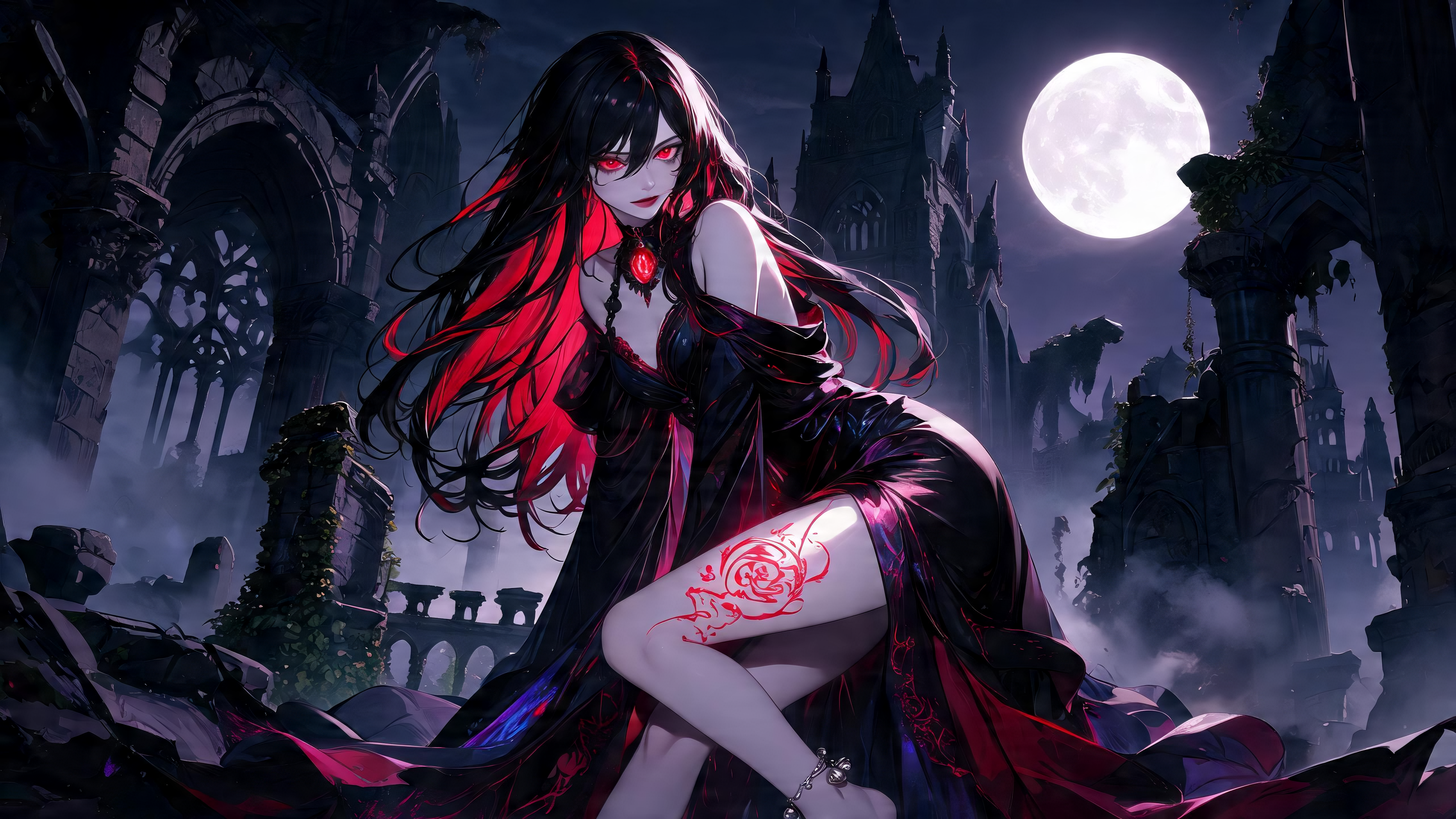

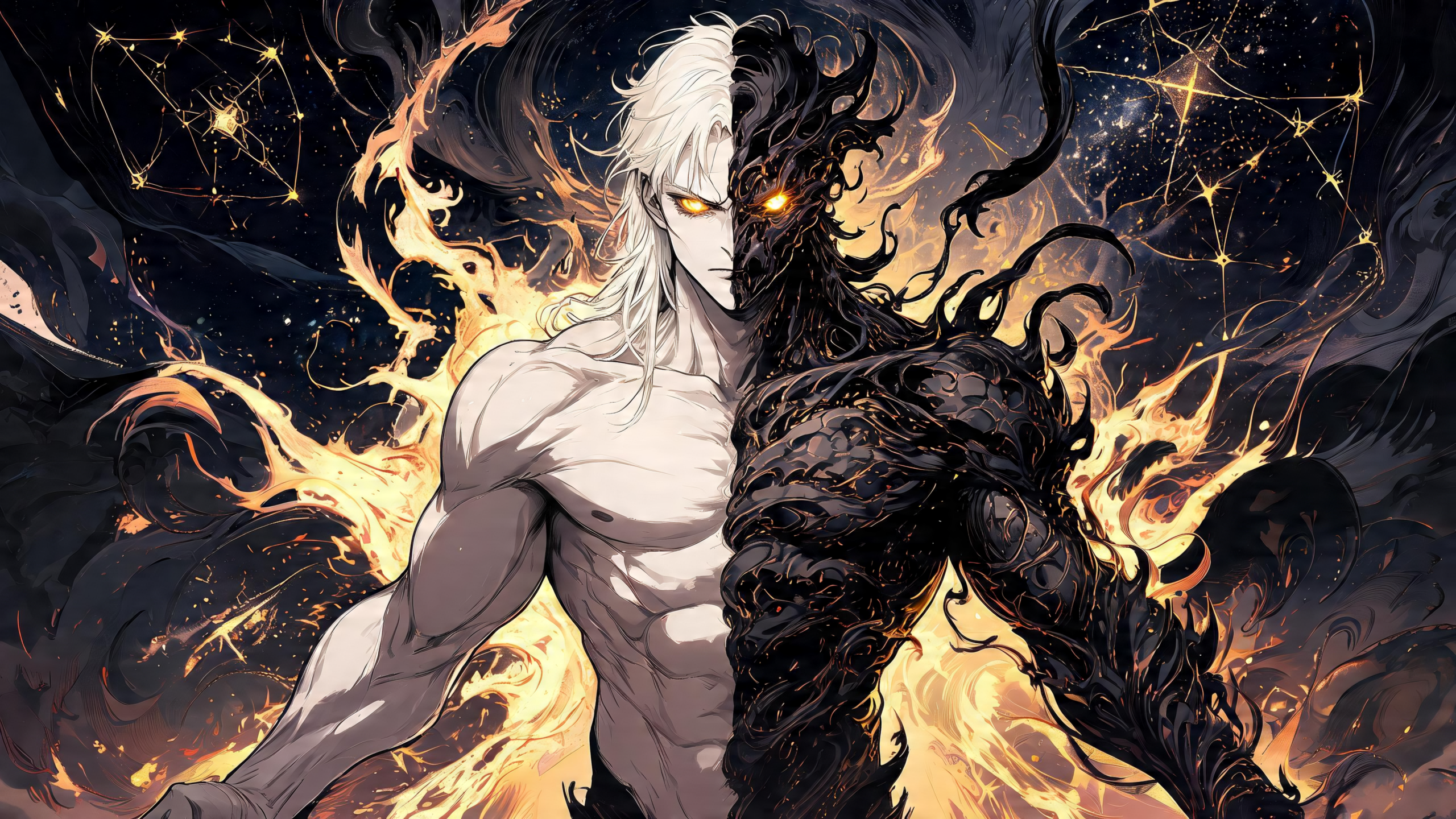
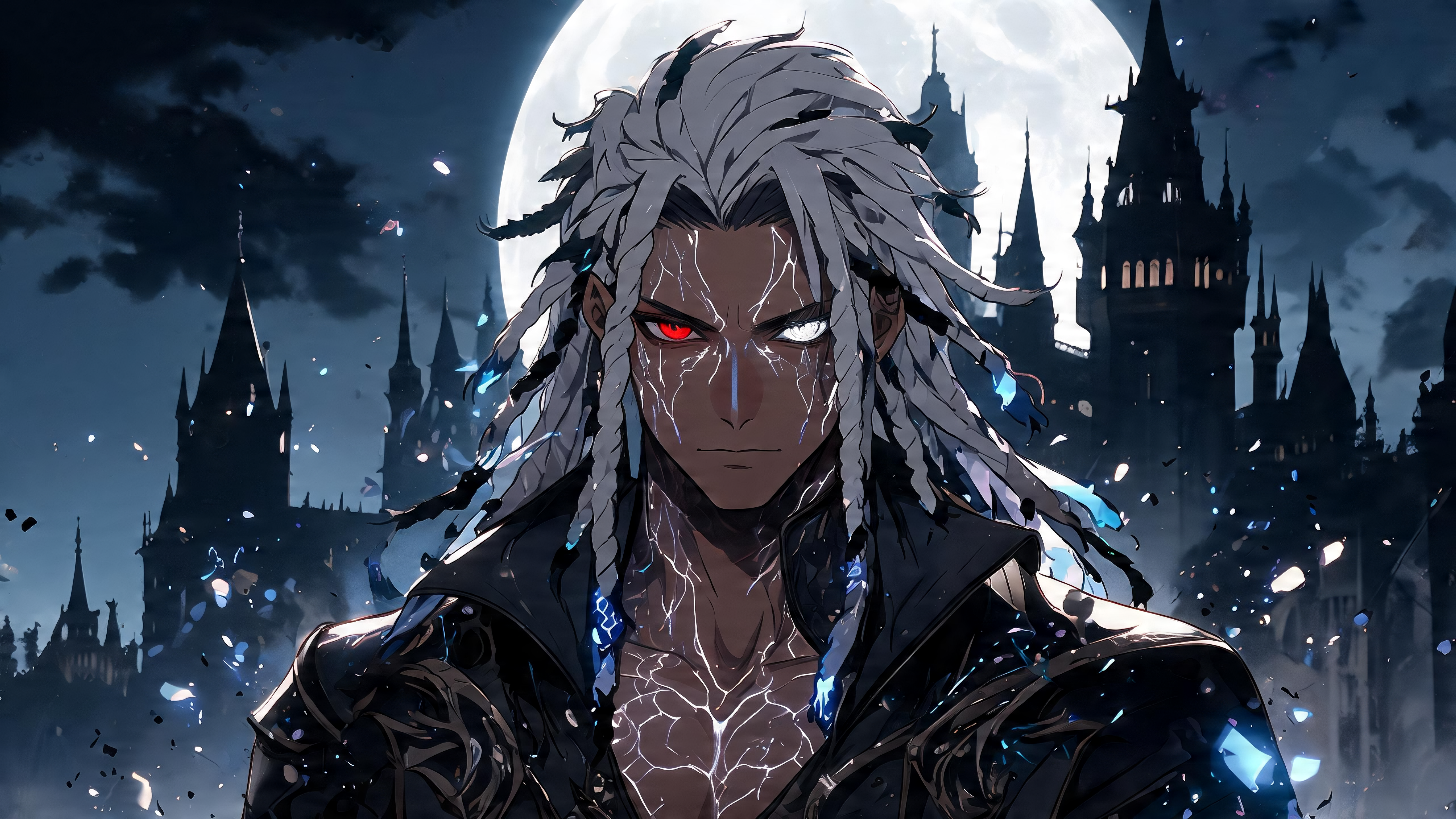
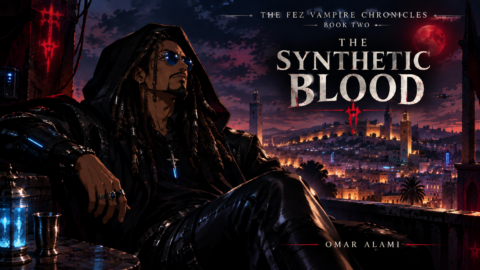
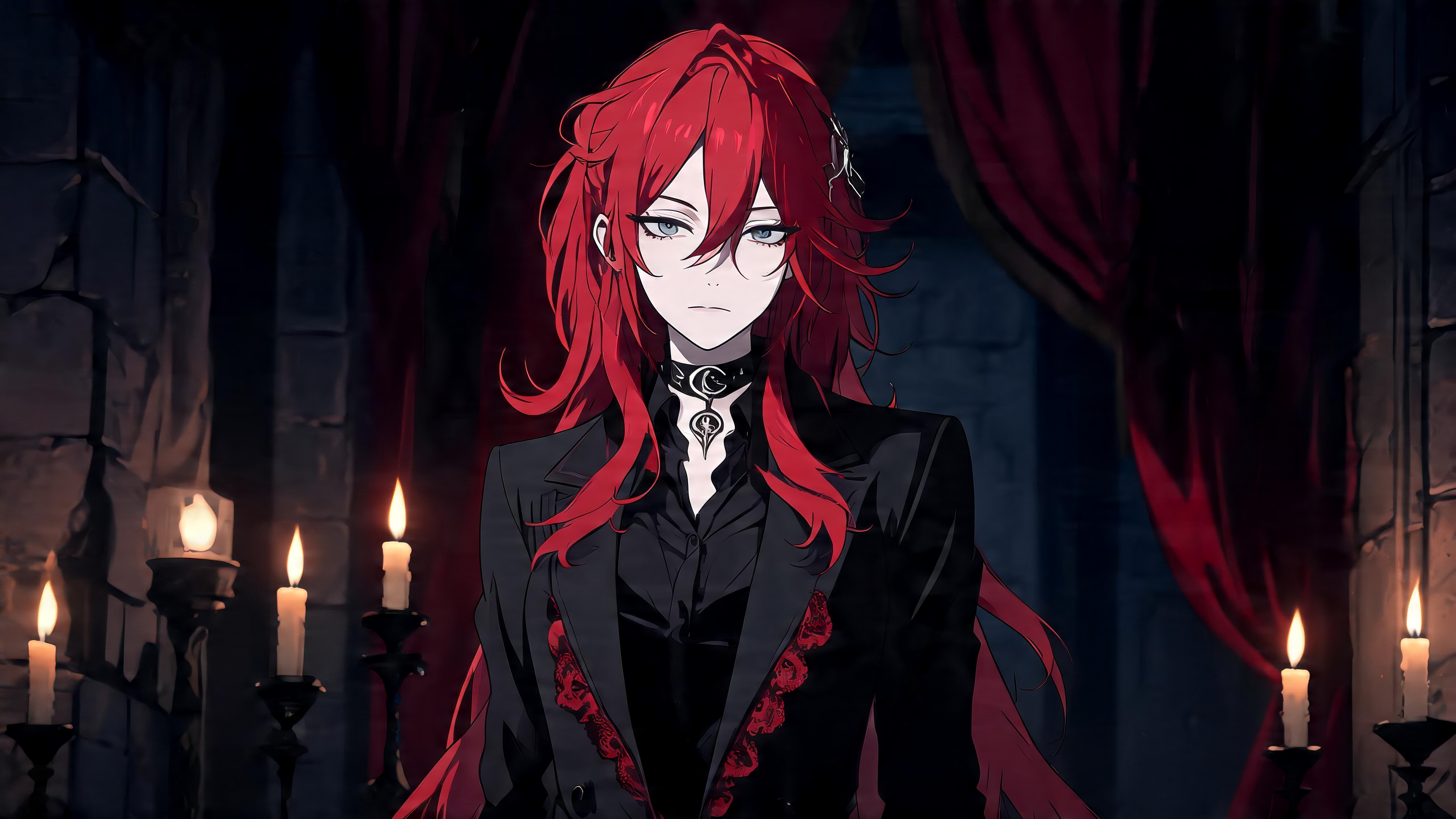
)