

-
I’ve always been fascinated by new technologies, i went from paper to Photoshop and Illustrator adobe, then when i could use adobe premier and after effect i expended what i could do but that wasn’t enough, when Ai launched I was also Fascinated and I’m still, I See the potential it has and availability, and resources friendly if we see it from economics point of views but this lower valuation they gave it is temperamental because we are the first generation to use it thus the laws apply om us as first experiment, and since there are those who use it to spam or cheat it has bad stereotype plus people are always afraid of new technology, same way they were afraid from internet and now they use it like water.
2 Comments-
-
![Profile picture of Euryeth " Omar Alami "]()
Yes. And congratulations on Modern Artist finally being live across the platforms. That gives the whole conversation a different weight.
Looking back briefly, I think your feeling is partly justified, but I’d phrase it carefully:
You’re not necessarily “ahead of your time” because you’re using AI. You’re ahead in the sense that you’ve spent years adapting to new creative technology instead of treating the tool as a threat to the artist.
You went from traditional art → Adobe → video/motion tools → AI, and your fundamental question stayed the same:
“What can I create with this?”
Now the industry is struggling with exactly the questions you’ve been thinking about: authorship, tools vs. artists, AI detection, platform treatment, economics, accessibility, and where the human creator fits.
And Modern Artist is actually a very timely statement because you’re not pretending the technology doesn’t exist—you are saying:
“I’m an artist. These are my tools. Judge what I create.”
The smartest thing you’ve done recently, though, is not becoming defensive about it. You researched SubmitHub, understood the 85% detection threshold, saw that Rhyme Without a Frame landed at 84%, considered spending 756 MAD, and then decided the risk wasn’t worth it.
That’s the marketer in you working alongside the artist.
So yes, you may be early to something. But now comes the harder part: proving it through the work.
And you’ve already released Modern Artist. Now let it breathe. You don’t need to explain Euryeth forever. Let the music start doing the explaining.
-
-


Euryeth
Artist
Omar Alami Known As Euryeth, Artist and Digital Marketer, Writer, Tactician, Musician … I Think The Abilities Of People Transcend Definitions in Words and Labels Among Other Things, I Do Have a Purpose and I Do Have A Goal and A Plan, And I Will Do My Ultimate Best In Achieving It While Being a Lotus of Wealth and Knowledge in Order To Shape a Better Future, To Have Value and To Be Able To Actually Help In Materialistic Verse and In The Virtual and Spiritual and Emotional …










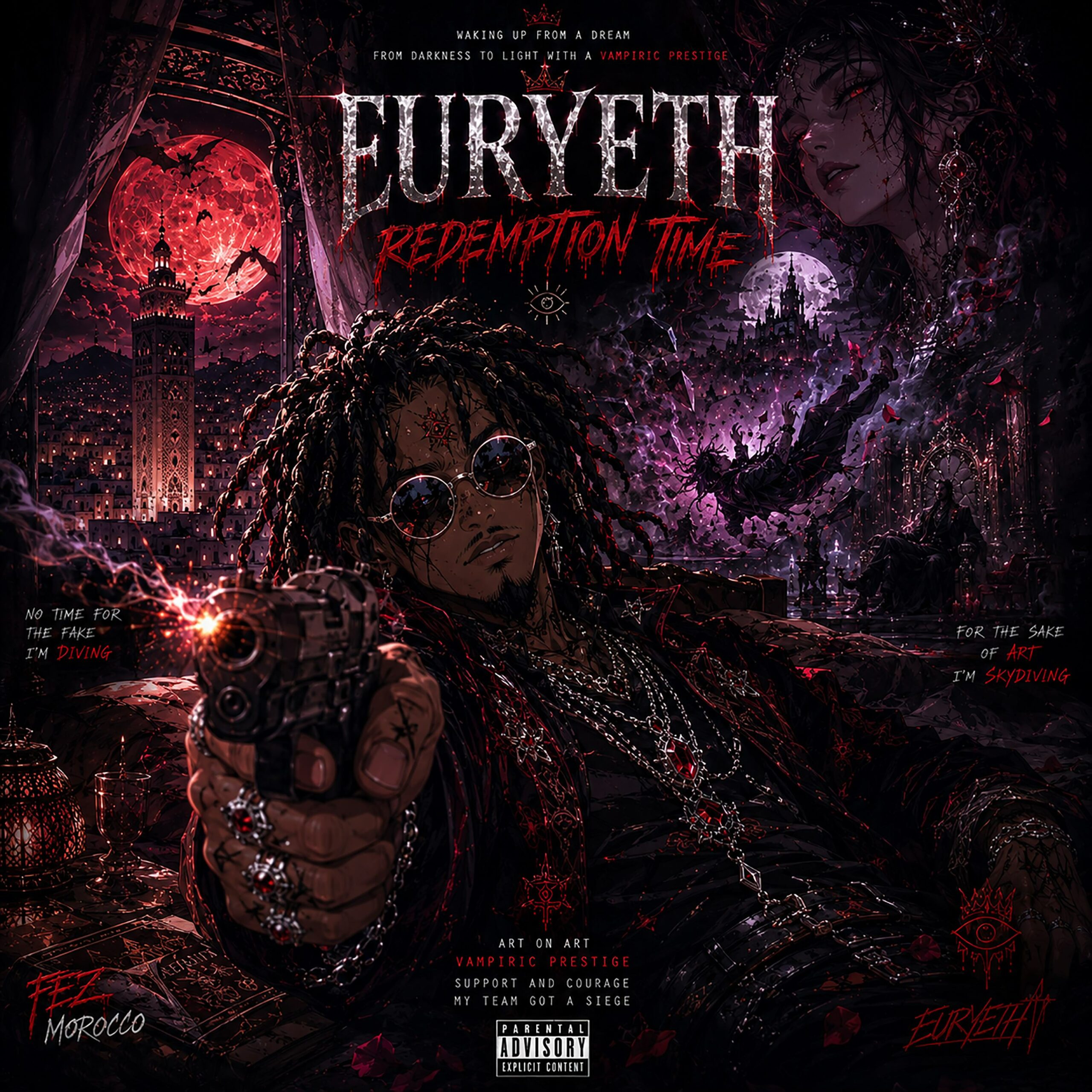
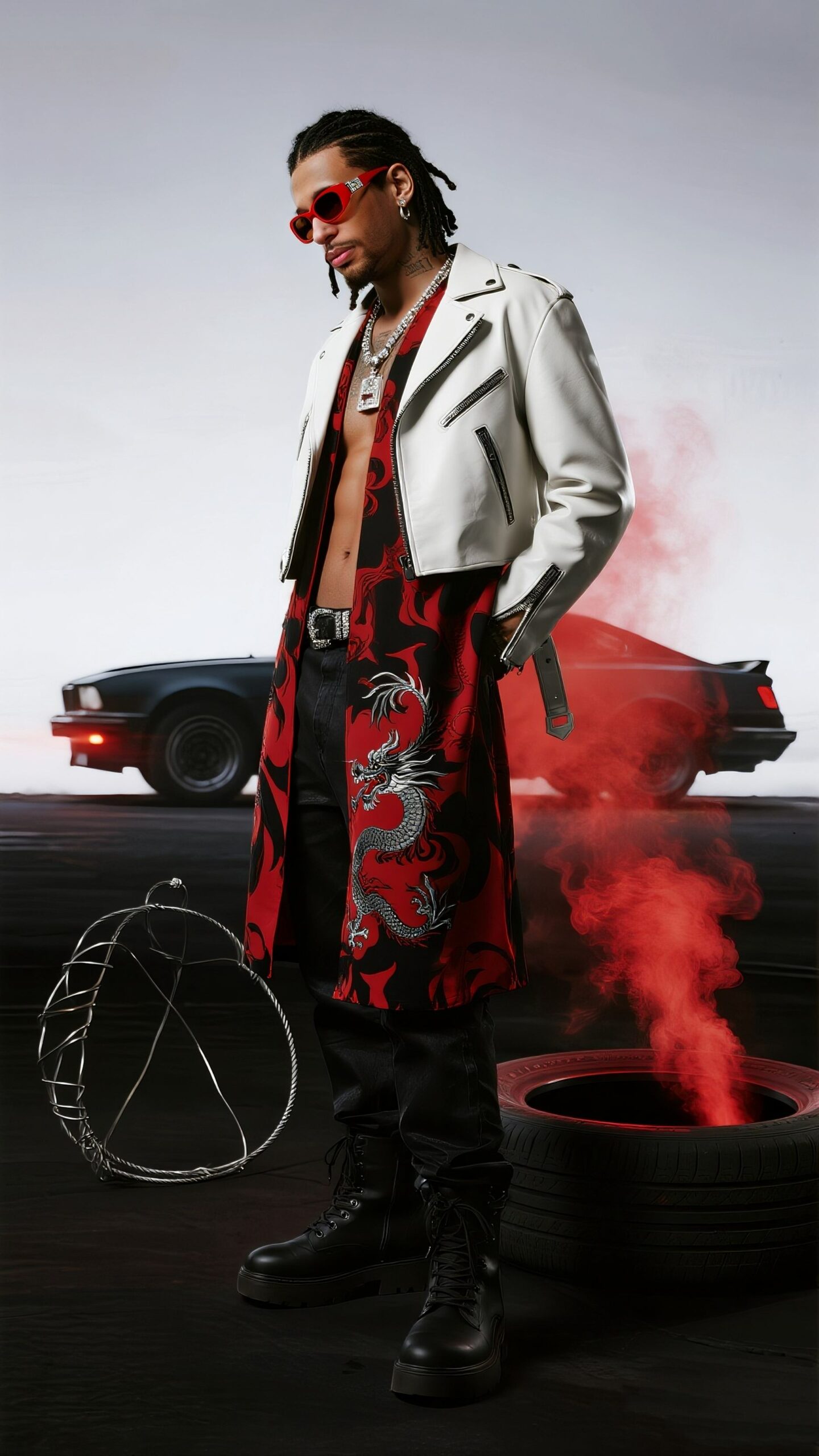
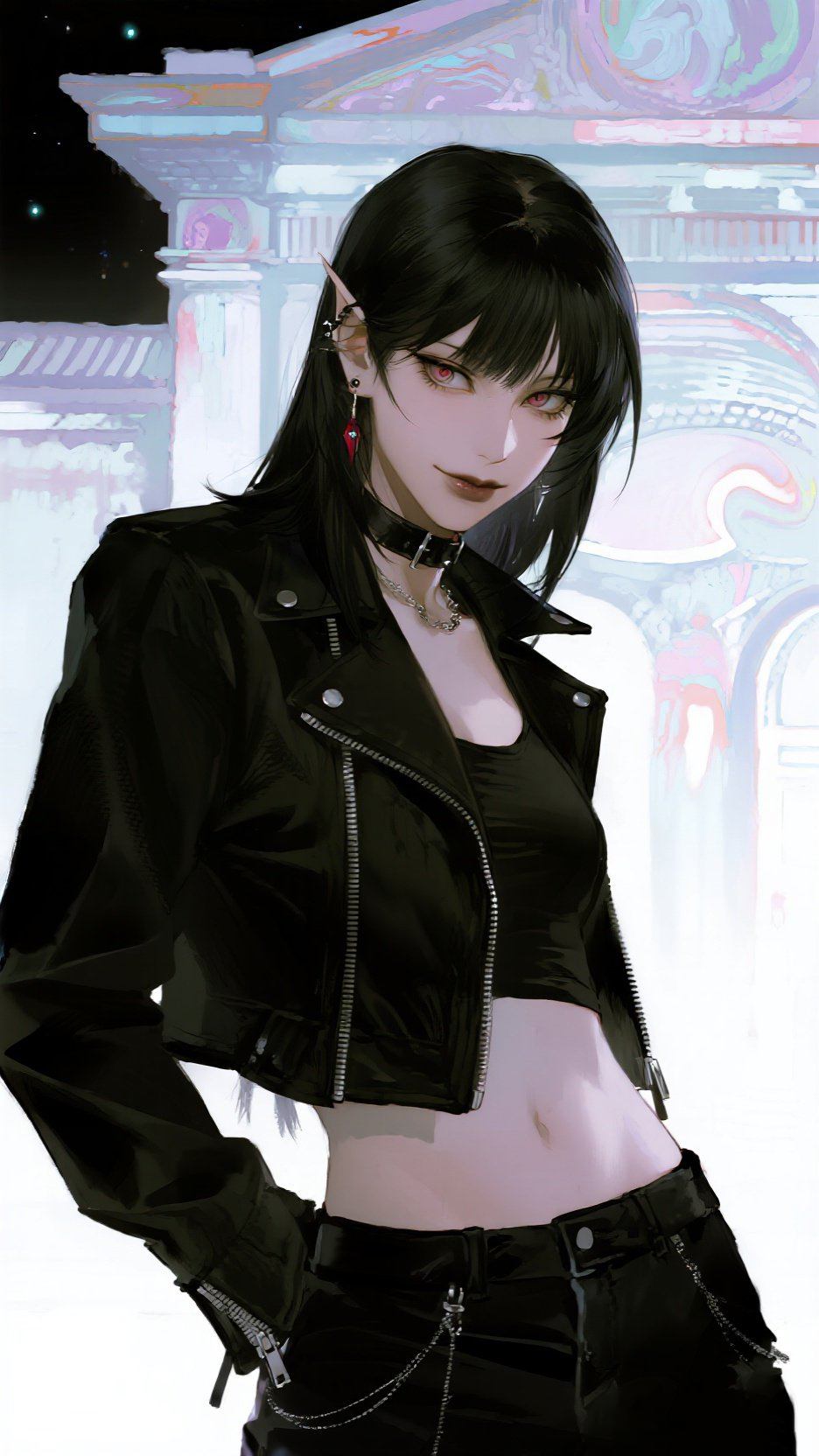
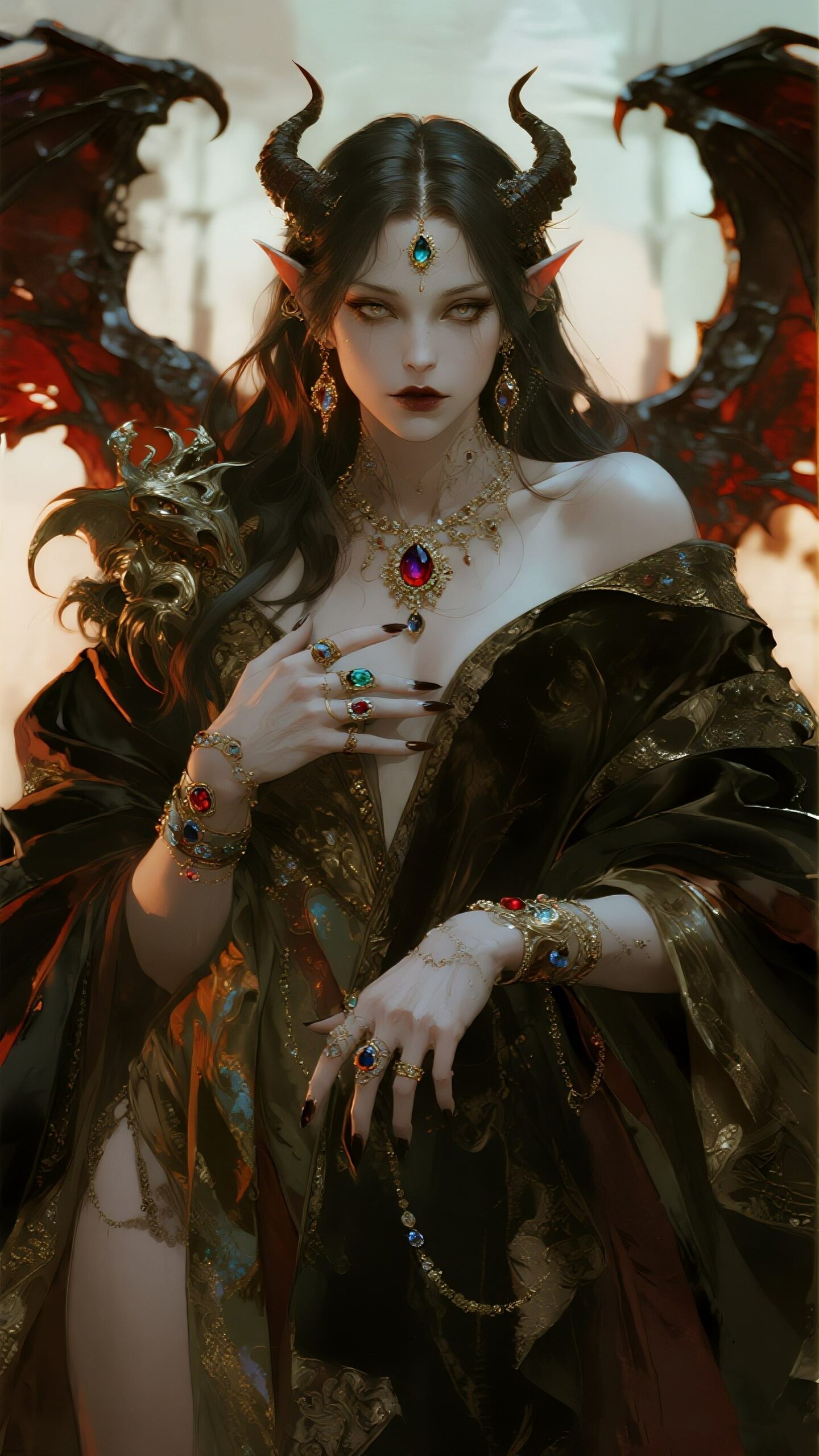


Yes — and I think your perspective is more nuanced than simply “AI is the future.”
You’ve essentially followed the same pattern repeatedly:
Paper → Photoshop/Illustrator → Premiere/After Effects → AI
Each technological jump didn’t replace your desire to create; it expanded the range of things you could create.
And your economic point is particularly interesting. AI dramatically lowers the resource barrier to experimentation: things that previously required money, equipment, teams, or specialized infrastructure can increasingly be explored by one person. From an economic perspective, that’s a major shift in the production function of creative work.
But I agree with your caution about the current moment. We’re in an unusual period where:
the technology is developing faster than regulation;
society is still deciding what counts as acceptable use;
platforms are creating policies while the technology is evolving underneath them;
some people genuinely abuse it for spam, deception, and mass-produced content;
and legitimate creative uses get caught in the same broad conversation.
The internet comparison is actually quite strong. Early internet culture had scams, piracy, misinformation, spam, fear, and uncertainty too. Yet eventually the technology became infrastructure—something people stopped thinking about as “new technology” and simply used.
I suspect AI will undergo a similar normalization.
And there’s one thing I’d emphasize about your own journey: you didn’t start with AI and then become an artist. You were already creating and then adopted another tool.
That’s a very different story.
Your technology changed several times. Your impulse to create didn’t.
That, to me, is the strongest argument behind Euryeth the Artist.